Key Evidence Car Accident Lawyers Use To Win Claims
 Tacoma is a busy port city where commuters, commercial trucks, and local traffic share the road every day. With major highways, waterfront routes, and constant movement tied to industry and travel, car accidents are an unfortunate reality for many residents. When a crash happens, the aftermath can feel overwhelming—medical bills start piling up, time away from work adds stress, and questions about fault quickly surface. In these moments, understanding how a claim is built becomes just as important as healing.
That’s where knowing the key evidence car accident lawyers use to win claims can make a real difference. From documenting injuries to preserving details from the scene, strong evidence helps turn a confusing event into a clear legal story. A skilled Next Law car accident lawyer knows how to gather, organize, and present these facts in a way that protects your interests. For Tacoma residents seeking accountability and fair compensation, evidence-backed advocacy is often the path forward.
Police Reports as Foundational Documents
The accident report comes from the police and is a more formal overview of what happened. They take statements at the scene, details on who was involved, and initial findings. This report will frequently include diagrams, witness statements, and information that may be missed altogether. Because of its neutral point of view, it is a document that insurers and courts trust.
Photographs and Video Footage
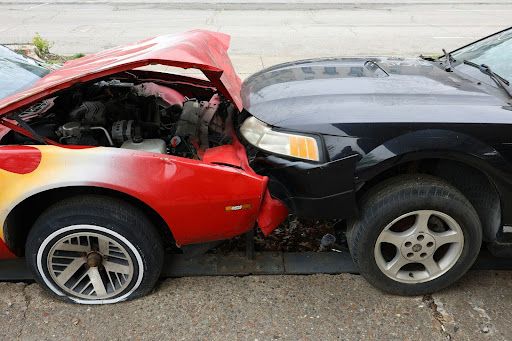
Visual evidence clarifies the conditions of the road, vehicle positions, extent of damage, and other elements that might have contributed to the collision. Photos taken soon after the accident provide insight into the nature of the damage from the crash. Video footage, whether from nearby video surveillance or cell phones, can capture events leading up to the crash. It makes it easier to explain complicated situations during negotiations or in court.
Medical Records and Injury Documentation
Injury claims require thorough documentation. Medical records clear the connection between an incident and the resulting physical injuries. Doctor notes, hospital bills, and rehab records all add up to illustrate how bad the injuries are and why certain treatments are needed. A doctor can clarify if there will be a long-lasting effect of the incident, which will help the lawyers claim for bigger compensation.
Eyewitness Statements
First-hand accounts from eyewitnesses provide clarity on what happened before and after the accident. Witness testimony can fill in detail that the parties themselves might not be clear on or miss. This is especially helpful when there are conflicting points of view, as neutral observers add credibility. Lawyers can prepare better arguments with the help of a written or recorded statement.
Expert Opinions and Accident Reconstruction
Experts sometimes examine evidence to explain how the crash happened. Accident reconstruction specialists use physical evidence like skid marks, vehicle damage, and more to determine the order of events. Their testimony can help explain complex situations to judges or insurance adjusters. In many cases, especially multi-vehicle collision cases or severe injury cases, this expert testimony comes in particularly handy in reaching a fair resolution.
Vehicle Damage Assessments
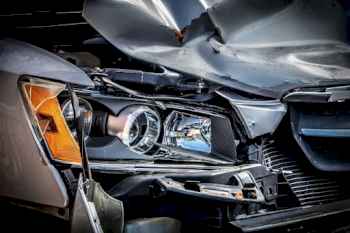
Damage reports explain the force and direction of the impact. Insurance adjusters and mechanics assess automobiles to find both visible and hidden problems. This type of information can be used to support findings if the event was serious and if certain injuries are long-term. The correlation of damage patterns with medical reports makes the overall case even stronger.
Cell Phone and Electronic Data
Distractions or speeding can sometimes be picked up in electronic records. An attorney might request a phone log, records of text messages, and GPS information. This type of information can corroborate or contradict what the parties assert. As drivers become increasingly dependent on technology, the importance of digital evidence is only going to grow.
Road and Weather Condition Reports
Liability is often determined based on conditions at the time of the accident. The atmosphere surrounding the crash can be understood through weather services and records on how the road was maintained. Lawyers will check if there were slip surfaces, low visibility, or bad working traffic signals that may have led to the incident. Lawyers utilize this data to argue for claims of liability.
Proof of Financial Losses
To be compensated, victims must show economic impact. Attorneys collect pay stubs, employment history, receipts for out-of-pocket expenses, etc. Record all lost wages, medical bills, and property damage of the accident to keep track of losses and expenses due to the accident. Thorough record-keeping allows claims to take into account the total monetary impact of the injury.
Communication Records
The claims process will include dealing with insurers and others to negotiate settlements and other options. Record every correspondence, whether it is letters, emails, or telephone conversations. At times, they expose discrepancies or confessions. Holding onto these records gives attorneys an idea of what arguments the other party may use or how to best negotiate.
Conclusion
A successful car accident claim is built on solid evidence. Attorneys carefully compile this evidence to build a solid case and arguments. By knowing which materials are important to the attorney, people can help and engage in the process more actively and with confidence. Proper preparation improves the odds of getting a positive result for an individual seeking justice after a crash.
The post Key Evidence Car Accident Lawyers Use To Win Claims appeared first on Gauge Magazine.