GM Reinforces Its V8 Engine Strategy with $505 Million Canada Investment
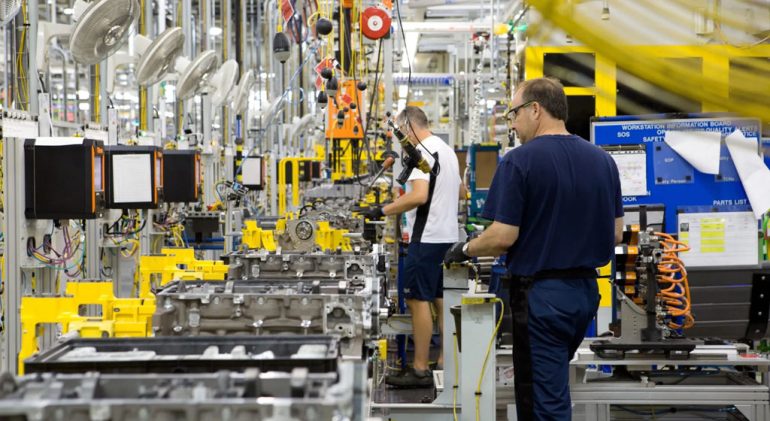
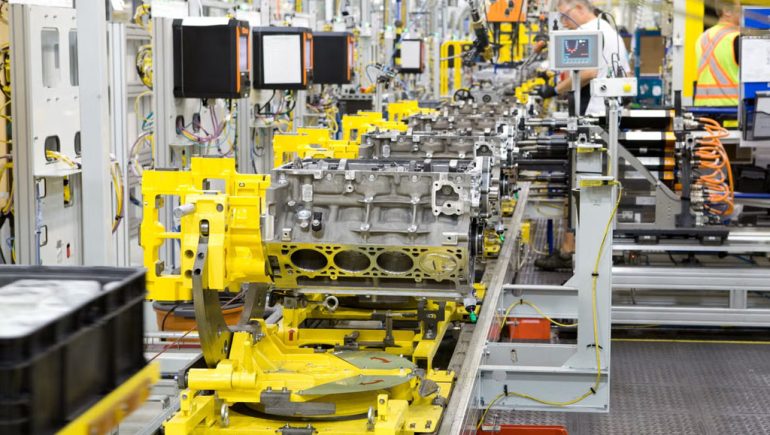
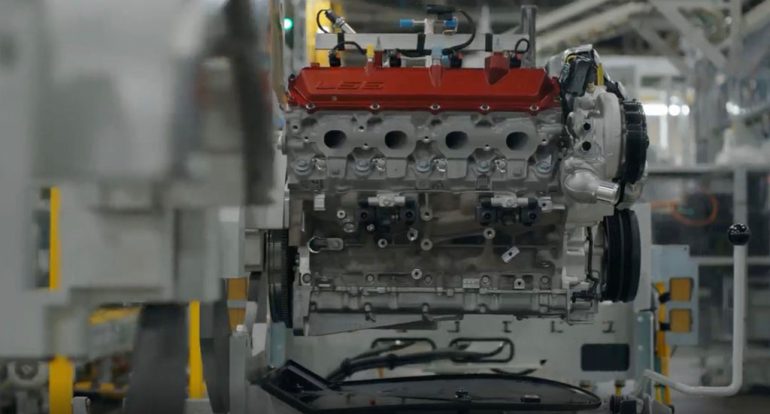
General Motors is sending a loud and unmistakable message to the market: the V8 is still a very big part of its future. With a new CAD $691 million investment, or about $505 million, in its St. Catharines Propulsion plant in Ontario, GM is expanding production plans for its sixth-generation small-block V8, an engine family that will power the company’s next wave of full-size trucks and SUVs. At a time when the industry keeps talking about EV transitions and software-defined vehicles, GM is reminding everyone that old-fashioned truck demand still pays the bills.
What makes this move so important is that it is not a one-plant bet. St. Catharines joins Tonawanda in Buffalo and Flint in Michigan as part of a broader North American manufacturing strategy for the new engine. GM had already committed $888 million to Tonawanda and previously put $500 million into Flint for sixth-generation V8 work, so this latest investment fits into a much larger picture. The company is not just preserving V8 production. It is actively building the next chapter of it across three major engine sites.
The reason is not hard to figure out. GM’s full-size truck and SUV business remains one of the strongest profit centers in the industry. The company said it led the U.S. industry in 2025 sales, with combined Chevrolet Silverado and GMC Sierra sales hitting their best level in 20 years, while also leading the full-size SUV market for the 51st straight year. When a business is still built around vehicles like that, it makes perfect sense to invest heavily in the engines that keep them moving.
The new sixth-generation V8 is expected to debut in the 2027 Chevrolet Silverado, and it will eventually find its way into the next GMC Sierra as well as future versions of the Chevrolet Tahoe, Suburban, GMC Yukon, and Cadillac Escalade. GM says the new engine will deliver better performance along with improved fuel efficiency, which is exactly what buyers in this space want to hear. They are not asking for a farewell tour. They are asking for capability, refinement, and enough efficiency to keep these big vehicles competitive in a changing market.
There is also a bigger manufacturing story behind all of this. GM has separately invested CAD $343 million in Oshawa Assembly to prepare for next-generation truck production, while St. Catharines will continue building the current fifth-generation V8 during the transition. That kind of staggered rollout tells you GM is being careful not to disrupt one of its most valuable product pipelines while it updates the hardware underneath. In other words, this is less about nostalgia and more about protecting a business that continues to deliver real volume.
GM’s latest investment says something the auto industry sometimes tries too hard to dance around. The future may be electric, hybrid, connected, and increasingly digital, but the present is still full of people buying big trucks and SUVs with serious power under the hood. GM clearly understands that reality, and it is putting real money behind it. For enthusiasts, that means the V8 still has life left in it. For GM, it means the company is betting that proven demand matters just as much as future ambition.