How McLaren Golf built a golf brand from the ground up
Building a golf brand from scratch is nearly impossible.
It just is.
You aren’t just fighting a headwind of well-established juggernauts that have dominated the turf for decades; you’re tasked with the ethereal challenge of soul-building. Beyond the clubs, you have to answer the hardest questions in branding: What are you actually about? Who are you speaking to? Who are you?
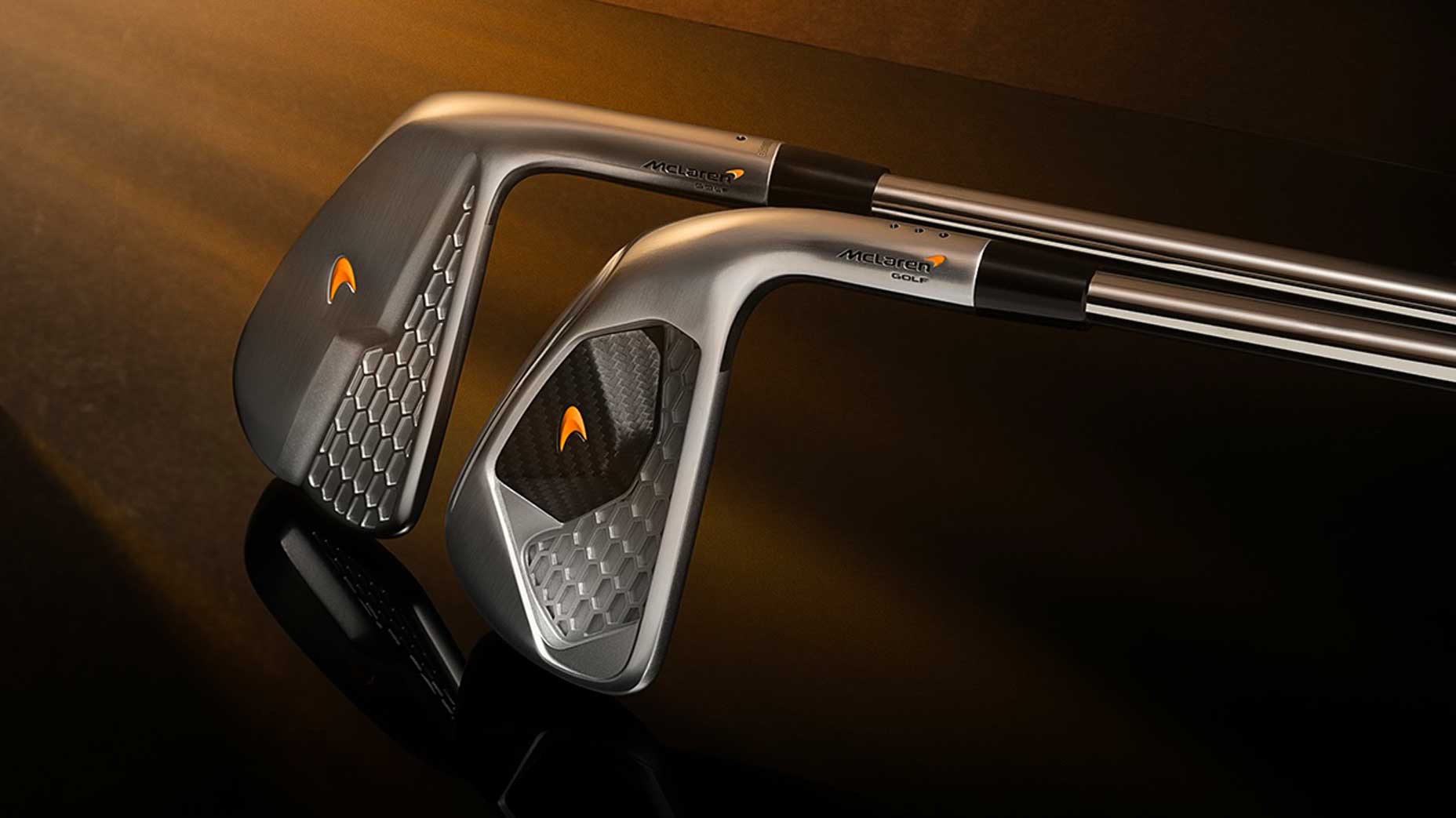
This week, McLaren Racing — in collaboration with 8AM Golf, GOLF.com’s parent company — officially launched McLaren Golf, smartly timed with the PGA Tour (Cadillac Championship) and Formula 1 (Miami Grand Prix) converging in South Florida.
The ethos of McLaren Racing is “Forever Forward,” a mantra that leaves nothing to the imagination. It screams innovation, excellence and a refusal to settle for second place — and McLaren has a track record (literally) that proves the motto isn’t bluster. In 2025, with the help of star driver Lando Norris, McLaren Racing landed atop the F1 podium at year’s end. Not only was the triumph a massive step in taking down Red Bull but it also planted McLaren as a $5 billion sports-marketing giant.
The graveyard of luxury icons
When it comes to luxury brands swooping into golf-club engineering, we have seen this movie before — and usually it ends on the clearance rack. Porsche Design tried its hand with the “902” series; the clubs were beautifully crafted but struggled to find a home in the bags of serious sticks. In 2012, Ferrari teamed with Cobra on a $2,000 driver that looked like it belonged in a museum but lacked the “everyday” playability the market demanded. Even Fila made a run at golf in the mid-to-late 90s (licensing deal via Renaissance Golf), proving that lifestyle prestige doesn’t always translate to consumer excitement.
The golf equipment ecosystem is built on innovation — new tech, AI and PhDs in aerodynamics. How do you start a golf company and ensure it’s up to the standards that the McLaren is known for?
With the right people.
The team behind McLaren Golf
I’ll admit, I was skeptical when I first got wind of the McLaren news early in 2025. It’s not easy having a 9-million-pound gorilla like McLaren looking over your shoulder. But then I heard who was captaining the ship: Neil Howie.
My old friend and former president of Callaway Europe is exactly who you would want at the helm. Neil could play the role of MI6 chief in a “Bond” film — he’s a seasoned, eloquent executive who guided Callaway through both big-time success and choppy waters. It takes someone who has experienced the ups and downs of this industry to have the perspective and expertise for a project like this.
I was keen to understand where Neil’s head was at after months of grinding.
“Anything like this will always start with four main things,” he told me. “For one, you have to assemble a great team of people. Without that you can’t really execute something exceptional. In our case we were fortunate enough to gain interest from some very bright folks from other big OEMs in multiple departments. I think the idea of a small crew, nimble business model and the energy and push of a startup is so important. Add to that it being the McLaren brand, we literally had no limitations in terms of where we could go. I recall a meeting where someone asked, ‘Does the shaft have to be round?’ It may sound crazy to some, but to me that’s the question of a company that will stop at nothing to innovate. Secondly, the product has to be relevant, unique and, in this case, in harmony with the McLaren brand. We couldn’t just make a club. This is their first endeavor off of four wheels, and the responsibility to exceed expectations was always top of mind. I truly believe our first throw into the market, although small in footprint, is proper.
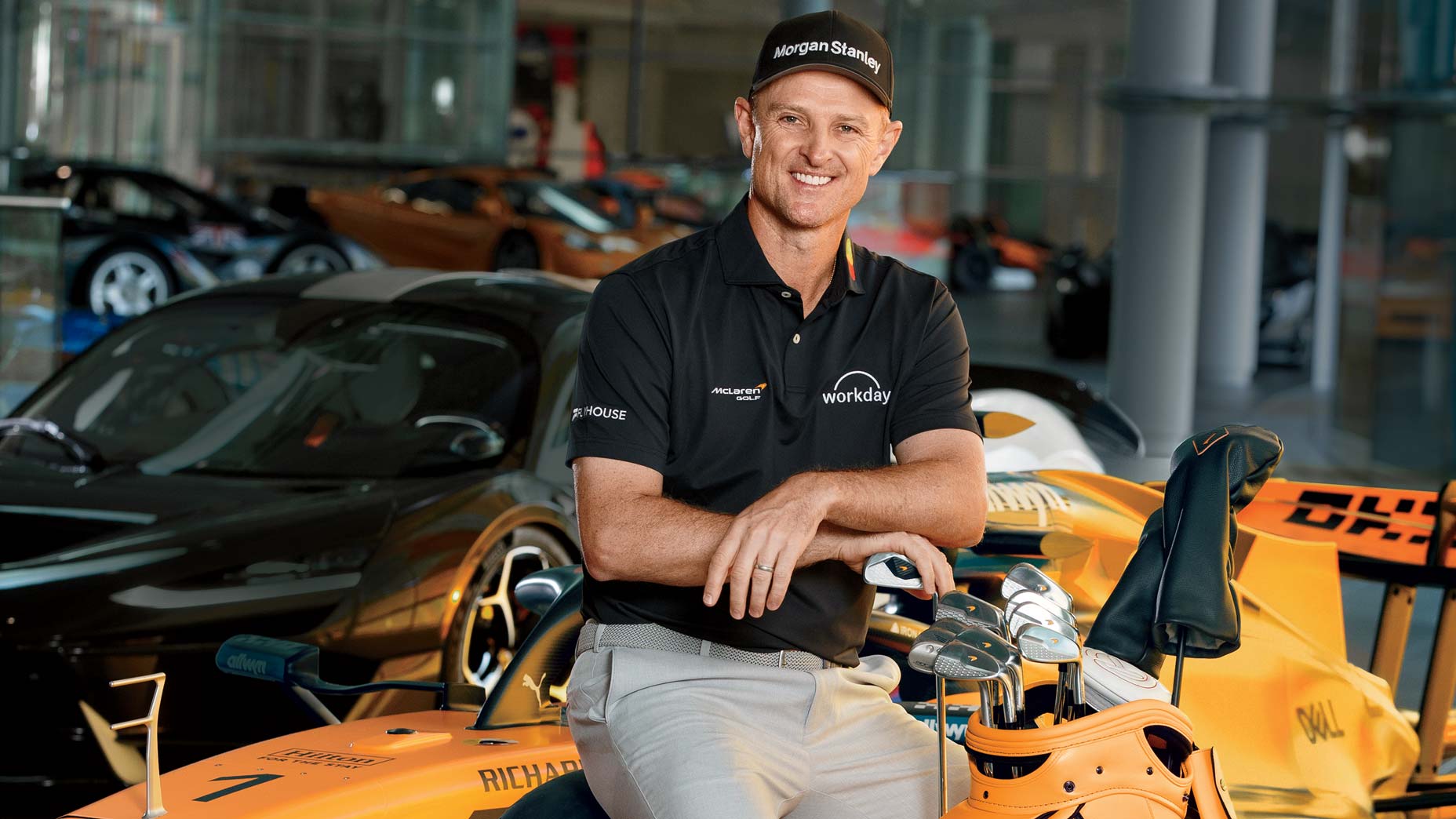
“Tour validation via Justin Rose, who’s in this as a business partner, not a paid ambassador, [along with] the likes of Ian Poulter and Michelle Wie, gave us a great base line. These are three players with very discerning pallets for golf clubs and all brutally honest in terms of feedback. Our R&D team had no choice but to listen, respond and push each other to get this right.
“Last bit honestly is the full backing and support from McLaren. This is not some random licensing deal, it’s a partnership, a real business, and trust me when I tell you that this is not a hobby for them. They take it seriously and push us to think beyond the normal. That type of ethos is what can get an old dog like me out of a very happy retirement. I’m having the time of my life at the moment. Never had so much excitement and confidence under the gun like this, and this is just the opening number. We got much more coming. Very fun times.”
Skeptics will try to “Honma” this story to death (i.e., refer back to Rose’s short-lived experiment with Honma clubs). Given Rose’s history, I understand the sentiment, but this isn’t that. At all.
Exclusivity by design: This isn’t a volume play. McLaren doesn’t plan on selling hundreds of thousands of sets. Like a McLaren car, this is a niche, high-performance item for the golfer who wants a curated storyline. They aren’t here to battle the “Big 5” OEMs; they are doing something specific for the true golf nut.
The scar-tissue factor: Everyone involved has made the rookie mistakes already. You have veterans from Callaway, Cobra, and TaylorMade — like marketer Ryan Lauder and head designer JP Harrington — who have seen great success and great failure. This isn’t a group that doesn’t understand what losing means.
So, yes, starting a brand like this starts with great idea and then the people. Then you execute and run (or drive) as fast as you can.
I asked head designer JP Harrington if this project carries new forms of pressure.
“I try not to think about the outcomes of success and failure,” he said. “If I feel it in my bones, I do it. I’m not here to sell ketchup popsicles to women in white gloves. I just want to make a difference.”
Sounds like a fun gig to me.
The post How McLaren Golf built a golf brand from the ground up appeared first on Golf.