
Wrecks, Repairs, and Recovery: A Driver’s Guide to Life After a Truck Accident
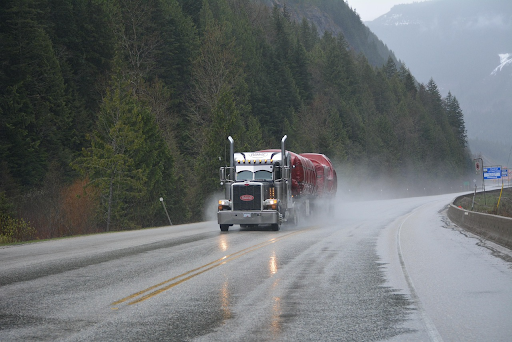 Being struck by a commercial truck is one of the most frightening things that can happen to you on the road.
One minute you’re driving home from work… The next, you’re staring at a crumpled hood. And the worst part? Most drivers have no idea what to do next.
A commercial truck crash claim isn’t your everyday fender bender. It’s an entirely different kind of beast with:
- Bigger insurance companies
- More aggressive lawyers
- Higher stakes for everyone involved
That’s why a road map can determine the success of your recovery both physically and financially.
Let’s break it down…
What you’ll uncover:
- The Real Numbers Behind Truck Accidents
- What To Do In The First 24 Hours
- Handling Vehicle Repairs The Right Way
- Filing A Commercial Truck Crash Claim
- The Road To Physical Recovery
The Real Numbers Behind Truck Accidents
Truck accidents are not uncommon. Every day, truck accidents occur on highways throughout the U.S. and often cause catastrophic damage.
Listen… Semi-trucks can weigh as much as 80,000 pounds when they’re fully loaded. Now contrast that with a typical passenger vehicle that weighs about 4,000 pounds and you begin to see why these collisions can be so catastrophic.
By the numbers, 5,100 people died in crashes with large trucks last year. And perhaps more surprisingly, 76% of those killed were in passenger vehicles — not in the trucks.
This is why having representation on a commercial truck crash claim is so crucial. Trucking companies have their entire legal teams on standby the second a crash occurs. Without the right counsel, victims are coerced into settling for far less than their claim is worth, which makes finding a good Houston truck accident attorney one of the smartest moves a crash victim can make.
at the facts. About 23% of accidents cause injury or death. In other words, almost one in four accidents result in significant injury.
Pretty sobering, right?
What To Do In The First 24 Hours
The first 24 hours following a truck crash are crucial. The actions you take (or fail to take) during this time can determine the success of your entire commercial truck crash claim.
Here’s what should be done immediately:
- Call 911 immediately: Even if injuries are minor, a police report should be on file
- Take photos of everything: Damage, road conditions, and the truck’s DOT numbers
- Get witness contact info: Statements from witnesses can make or break a claim
- Seek medical attention: Some injuries don’t show up for days
- Don’t admit fault: Stick to facts when speaking with anyone at the scene
The insurance adjuster for the trucking company will probably call within hours. They are trained to obtain statements that damage your claim.
Don’t fall for it.
Never give a recorded statement without first talking to a lawyer. Insurance adjusters are not your friends — they want to pay you as little as possible.
Handling Vehicle Repairs The Right Way
Now to the fun part — dealing with your wrecked vehicle.
The biggest mistake most drivers do here. They send their car to the first repair shop the insurance company gives them. It might be easy, but it can cost you in the long run.
Here’s why:
Insurance-recommended shops are likely to be on a contract with the insurance company. This may allow them to use lower-cost aftermarket parts and expedite repairs to save money for the insurer (not you).
Drivers have the right to choose where the car is repaired. Always choose an honest shop and request OEM parts when available.
Before any repairs start, make sure to:
- Get multiple repair estimates
- Document all damage with photos
- Ask about diminished value claims
- Keep every receipt and invoice
Diminished value is another major one that a lot of drivers overlook. Your vehicle is worth less even after repair, since it now has an accident on its history report. You can claim this lost value as part of your settlement.
Filing A Commercial Truck Crash Claim
This is where things get tricky.
The tricky part about filing a commercial truck crash claim is that there can be a lot of parties who could be at fault. And it’s not just the driver — it could include:
- The trucking company
- The cargo loading company
- The truck’s maintenance provider
- The truck or parts manufacturer
Each of these parties have their own insurance company and legal team. Determining who pays what is one of the most challenging aspects of any commercial truck accident claim.
The trucking industry is tightly regulated by the federal government. Federal law imposes limits on drivers’ hours, vehicle maintenance, cargo loading, and drug testing.
Violations of the rules can also significantly increase the value of your claim. This is why evidence preservation is so important. The electronic logging device data on the truck, its dashcam video, and maintenance records, for example, can be lost forever if no one requests them.
A simple “spoliation letter” sent to the trucking company requires that they preserve this evidence.
(Never have heard of it. That’s why legal representation can be critical.)
The trucking industry as a whole has not been idle either. Recent preliminary reporting has found that more than 131,000 crashes involved large trucks and buses. These claims aren’t going away anytime soon.
The Road To Physical Recovery
Vehicle damage is one thing. Physical recovery is another beast altogether.
Truck crash injuries are usually much more severe than standard car crashes. Some of the most common injuries include:
- Traumatic brain injuries
- Spinal cord damage
- Multiple bone fractures
- Internal organ damage
- Long-term chronic pain
Recovery can take months, even years. In the meantime, medical bills, lost wages, and emotional trauma all add up for victims.
Here’s the truth most people don’t want to hear…
Recovery isn’t linear. Following your doctor’s treatment plan exactly — it’s critical for your health…and your claim.
Insurance companies always try to claim that a gap in treatment means you were not injured. Don’t miss any appointments and don’t “tough it out” without seeing a doctor.
Your mental health matters, too. It’s common for victims to suffer from anxiety, PTSD, or depression following the crash. These conditions are real, and they can be included in your damages.
Final Thoughts
Surviving a truck crash is just the beginning of a long journey.
From repairs to paperwork, doctor visits to insurance fights, recovery can be a full-time job. But you aren’t in this alone. Let’s review:
- Document everything from the start
- Don’t speak to adjusters without legal help
- Pick your own repair shop and demand quality parts
- Push for the full value of your commercial truck crash claim
- Follow your medical treatment plan to the letter
The trucking industry has billions of dollars and legions of lawyers fighting for them. Crash victims are entitled to have the same zeal fighting on their side.
The post Wrecks, Repairs, and Recovery: A Driver’s Guide to Life After a Truck Accident appeared first on Gauge Magazine.