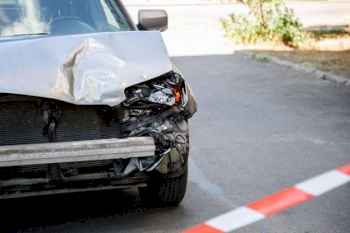
Common Mistakes to Avoid After a Car Accident in Decatur
 The immediate aftermath of a motor vehicle collision in Decatur requires a specific set of actions to comply with Georgia law and preserve your ability to seek compensation. Errors made in the moments or days following an incident often result in the denial of insurance claims or a significant reduction in the value of a legal recovery. Understanding the statutes that govern liability and evidence in DeKalb County ensures that you remain in compliance with local regulations while protecting your financial interests. This guide outlines the procedural missteps that frequently undermine personal injury and property damage claims in the local court system.
Admitting Fault At The Scene
Georgia follows a modified comparative negligence system, meaning your recovery is reduced by your percentage of fault. If you are found to be 50 percent or more responsible for the collision, state law bars you from recovering any damages at all. For that reason, speaking with a Decatur car accident lawyer can help you understand how statements made to other drivers or officers might be used to shift liability onto you.
Evidence at the scene is often used to reconstruct the event and assign a fault percentage to each involved party. Avoid making spontaneous statements such as “I am sorry” or “I did not see you,” as these are frequently recorded in police reports as admissions of liability. Stick to the facts of what occurred when speaking with law enforcement and refrain from speculating on the causes of the crash.
Failing To Report The Accident To Law Enforcement
Georgia Code Section 40-6-273 requires drivers to immediately report any accident resulting in injury, death, or property damage estimated at over $500. While some drivers suggest handling the matter privately without involving the police, this creates a significant evidentiary gap for your insurance company. Without an official police report, the details of the crash become a matter of your word against the other driver’s version of events.
- Official documentation provides an objective record of the date, time, and location of the crash.
- Police officers often issue citations for traffic violations that serve as proof of negligence per se.
- The report includes the contact and insurance information of all parties and witnesses.
Neglecting Immediate Medical Documentation
Delaying medical treatment creates a window for insurance adjusters to argue that your injuries were caused by a separate event or were not serious. Even if you believe your injuries are minor, conditions like whiplash or internal bleeding may not manifest symptoms until several days later. A gap in treatment is one of the most common reasons insurance companies cite when offering a lower settlement amount.
Local medical records serve as the primary evidence for calculating your economic damages. These documents must link the physical trauma directly to the collision through a professional diagnosis and a clear timeline of care. Consistent follow-up appointments and adherence to a treatment plan prevent the defense from claiming that you failed to mitigate your damages.
Settling With Insurance Companies Too Quickly
Insurance adjusters often contact involved parties shortly after an accident to offer a quick lump-sum settlement. While receiving immediate funds might seem helpful, these initial offers rarely account for the full scope of future medical costs or long-term lost wages. Once you sign a release of liability, you waive your right to pursue further compensation if your condition worsens or new complications arise.
Wait until you reach Maximum Medical Improvement (MMI) before entering serious settlement negotiations. MMI is the point where your health has stabilized, and a physician can provide an accurate prognosis for your future needs. Rushing the process often results in a settlement that covers past bills but leaves you personally responsible for all ongoing expenses related to the accident.
Overlooking The Importance Of Scene Evidence
The physical environment of a crash site in Decatur changes rapidly as vehicles are moved and debris is cleared. Failing to document the scene yourself leaves you dependent on the observations of a police officer who may be managing traffic or attending to injuries. Visual proof is often the most persuasive form of evidence when disputing a liability determination during the claims process.
- Photographs should capture the positions of the vehicles before they are moved from the roadway.
- Images of skid marks and property damage help accident reconstructionists determine vehicle speed.
- Recording the names and phone numbers of bystanders ensures that eyewitness accounts are preserved.
Mismanaging Social Media Activity
Social media activity can become an issue in common car accident cases, especially when insurance investigators search for posts they may try to use against an injury claim. Even an ordinary photo or comment may be cited as evidence that a claimant’s injuries are less serious than alleged. Even if your privacy settings are high, information shared with friends can be discovered through various legal channels during the litigation phase.
The safest course of action is to refrain from posting any details about the accident or your physical recovery on public platforms. Statements regarding your activities or your emotional state can be taken out of context and used to challenge the severity of your non-economic damages. Allow the formal legal and insurance processes to handle the communication regarding the incident to avoid providing the defense with conflicting information.
Statutory Deadlines And Legal Compliance
The Georgia statute of limitations generally provides two years from the date of the accident to file a personal injury lawsuit. However, this timeline can be significantly shorter if the accident involves a government vehicle or a municipal entity in Decatur. Failing to file the appropriate notices or complaints within these strict legal windows results in a total loss of your right to seek a remedy through the court system. Missing a deadline is a procedural error that cannot be corrected, regardless of the strength of your evidence or the severity of your injuries. Consistent monitoring of these dates and maintaining organized records of all communications will ensure that your claim remains viable throughout the duration of the recovery process.
The post Common Mistakes to Avoid After a Car Accident in Decatur appeared first on Gauge Magazine.