
Volvo’s Tariff Squeeze Shows How Other Automakers May Be Forced to Build More Vehicles in America

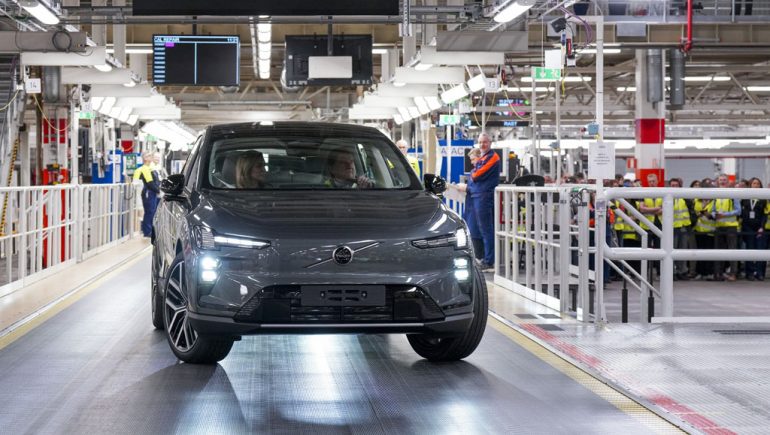
Volvo’s latest quarter reads like a snapshot of the pressure many global automakers are now facing in the U.S. market. The company said first-quarter operating profit fell 16% to 1.6 billion Swedish crowns, or about $172.6 million, while U.S. sales dropped 32% and China sales fell 17%. Volvo also acknowledged it underestimated the impact of the loss of the U.S. EV tax credit, especially because its plug-in hybrids had benefited heavily from the now-removed $7,500 incentive.
What stands out most is Volvo’s response. Instead of chasing volume with aggressive discounts, the company is trying to hold onto premium pricing and protect margins, even if that means giving up some sales in the short term. That is a risky move, but also a revealing one. It suggests Volvo believes the bigger threat is not just weaker demand, but getting dragged into a pricing war at the exact moment tariffs, currency swings, and global instability are already making the business harder to manage. Cost cuts have helped soften the blow so far, but Volvo has also made it clear that tariffs are changing the equation in a much more structural way.

And that is where this story becomes bigger than Volvo. The company plans to start building the XC60 in South Carolina in late 2026, adding local production beyond the EX90 already assembled there. That move looks less like a one-off adjustment and more like the kind of play other automakers selling imported vehicles in America may have to consider as tariff pressure lingers. If importing key models becomes too expensive, the obvious solution is to localize production, protect pricing power, and reduce exposure to policy swings that can wipe out margins almost overnight.
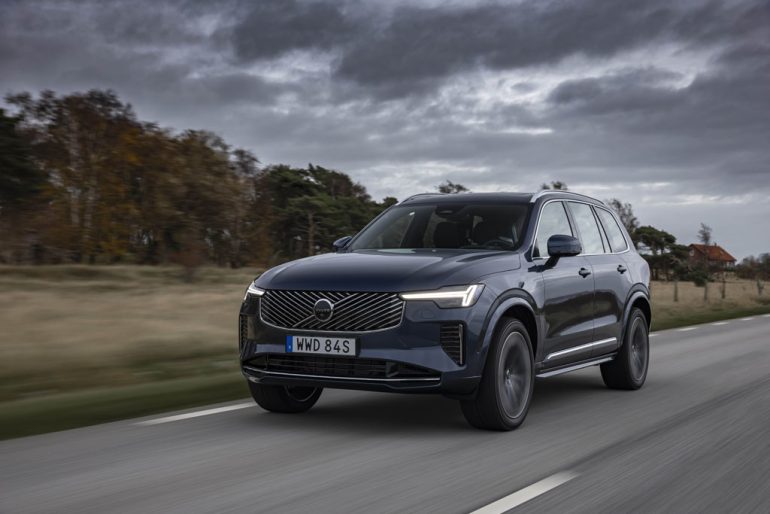
It is not hard to imagine other automotive companies in America making similar decisions. European and Asian brands that rely heavily on imported hybrids, EVs, or premium crossovers could face the same choice Volvo is facing now: absorb the tariff pain, cut prices and hurt the brand, or move more production stateside. None of those options is simple, but local assembly starts to look a lot more attractive when import costs rise and subsidies disappear. In that sense, Volvo may just be one of the earlier examples of a broader trend where automakers increasingly build closer to the customer not just for logistics, but for survival.
The real takeaway here is that tariffs do not just change sticker prices. They can reshape product plans, factory strategy, and even brand positioning. Volvo is trying to stay premium while adjusting its manufacturing footprint, and that balancing act may soon become familiar across the industry. For automakers with a meaningful U.S. presence but too much dependence on imported vehicles, Volvo’s playbook could end up looking less like an exception and more like the future.