
What to Know About UAE Leaving OPEC

By Owen Evans
The United Arab Emirates’ decision to leave the Organization of the Petroleum Exporting Countries (OPEC) next month marks one of the biggest ruptures inside the oil cartel in years.
For decades, OPEC has relied on its heavyweight producers to share oil quotas, manage supply, and influence prices.
The UAE’s departure could be a major blow to the oil-exporting institution.
Here is a breakdown of what we know so far.
Why Is the UAE Leaving?
The UAE announced on April 28 that it would exit OPEC and the wider OPEC+ alliance, effective May 1.
In a government statement, published by the Emirati state-run news agency WAM on April 28, the UAE said it sought a “sovereign responsibility in a new energy age.”
It said that near-term volatility, including disruptions in the Arabian Gulf and the Strait of Hormuz, continues to affect supply dynamics, and that underlying trends point to “sustained growth in global energy demand over the medium to long term.”
Following its exit, the UAE said it “will continue to act responsibly, bringing additional production to market in a gradual and measured manner, aligned with demand and market conditions.”
Why Does It Matter?
The loss of the UAE, a longstanding OPEC member, could weaken the group.
UAE Energy Minister Suhail al-Mazrouei said the decision was taken after careful review of the regional power’s energy strategies.
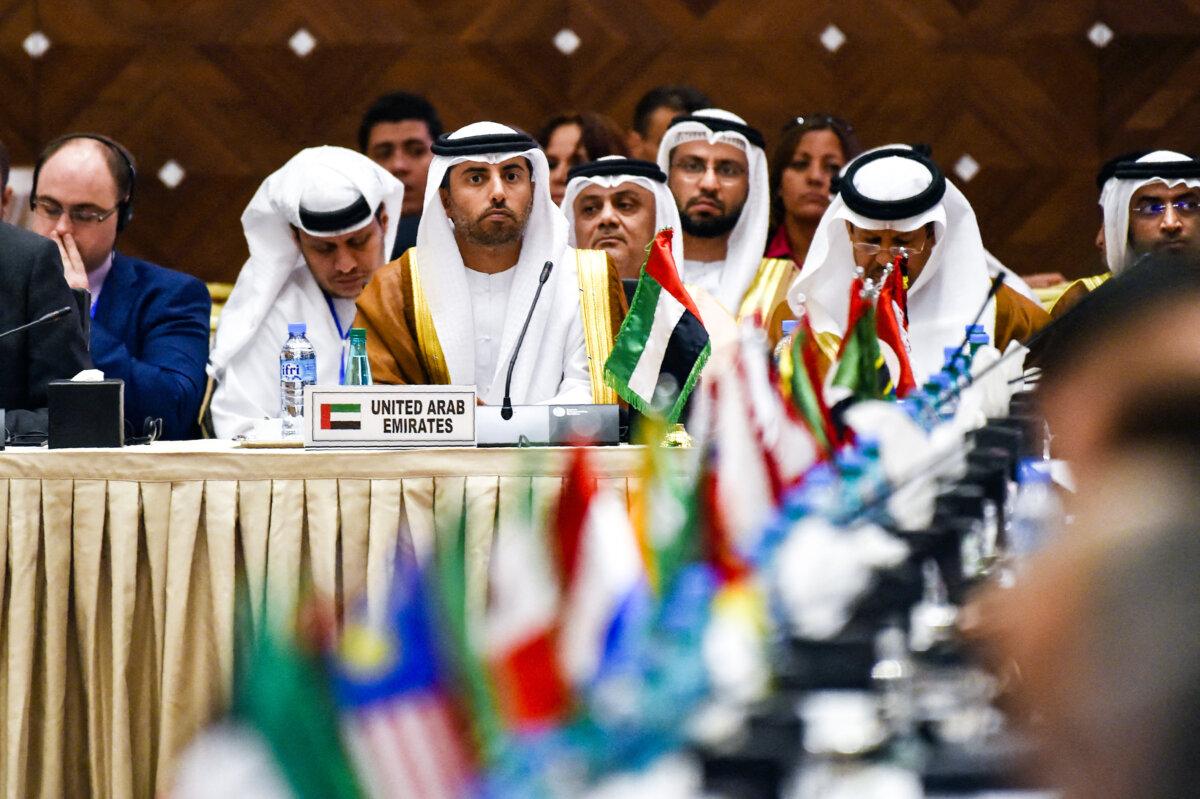
Asked whether the UAE consulted with OPEC’s de facto leader and regional heavyweight Saudi Arabia, he said the UAE did not raise the issue with any other country.
“This is a policy decision, it has been done after a careful look at current and future policies related to level of production,” the energy minister said.
In an April 28 post on X, he said the decision to exit OPEC aligns with policy-related developments in the Emirates’ oil sector and is “consistent with long-term market fundamentals.”
“We express our appreciation to OPEC and its member states for decades of constructive cooperation,” he wrote. “We affirm our continued commitment to energy security by providing reliable, responsible and lower-emission supplies, in support of stability in global markets.”
What Is OPEC?
OPEC is a permanent intergovernmental organization that brings together some of the world’s leading oil-producing nations.
It was founded in Baghdad in September 1960 by five countries: Iran, Iraq, Kuwait, Saudi Arabia, and Venezuela.
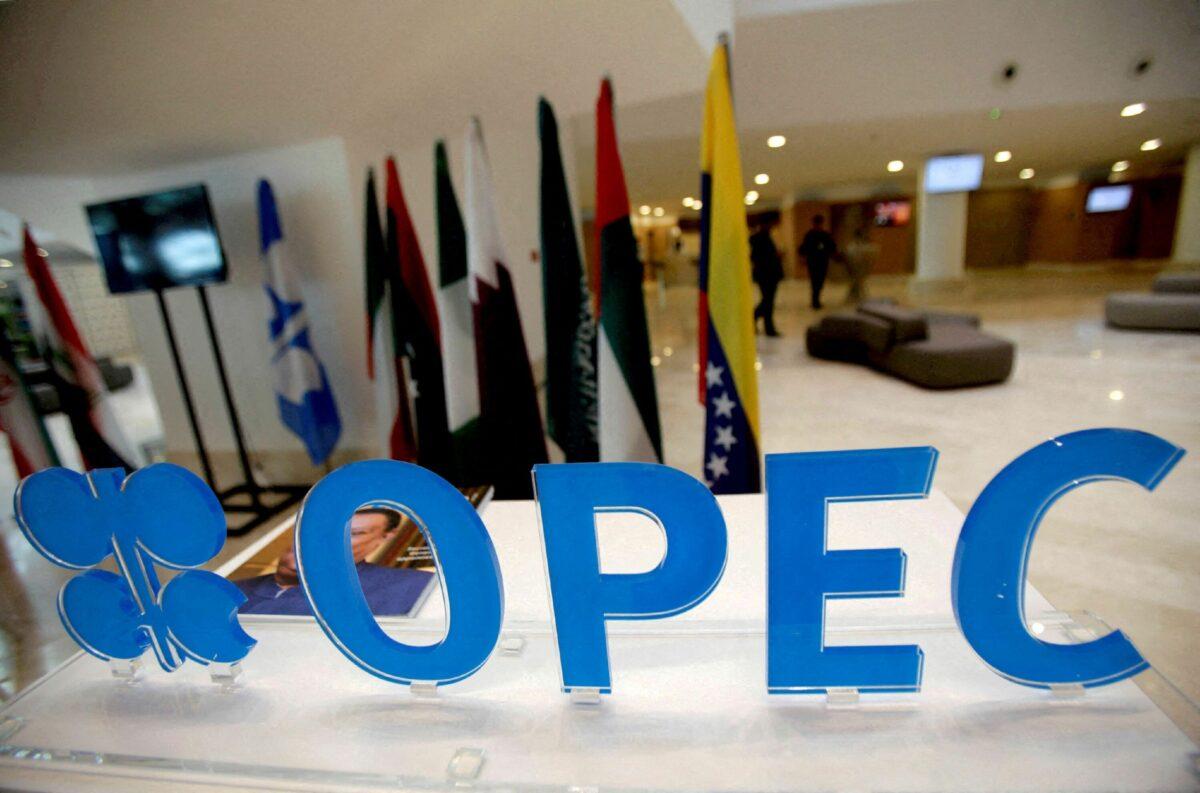
Its current members are Algeria, Congo, Equatorial Guinea, Gabon, Iran, Iraq, Kuwait, Libya, Nigeria, Saudi Arabia, the United Arab Emirates, and Venezuela.
Together, they controlled almost half the world’s oil before the war.
OPEC coordinates petroleum policy among its producers and has a history of raising output to cushion supply disruptions.
On March 1, for example, OPEC members Saudi Arabia, Russia, Iraq, the United Arab Emirates, Kuwait, Kazakhstan, Algeria, and Oman agreed to boost oil output by 206,000 barrels per day for April amid the Iran war.
OPEC has not released a formal public statement on the UAE’s announcement.
How Much Oil Does the UAE Produce?
Abu Dhabi has become the third-largest oil producer in OPEC, behind Saudi Arabia and Iraq.
The UAE produces between 3 million and 4.5 million barrels of crude per day.
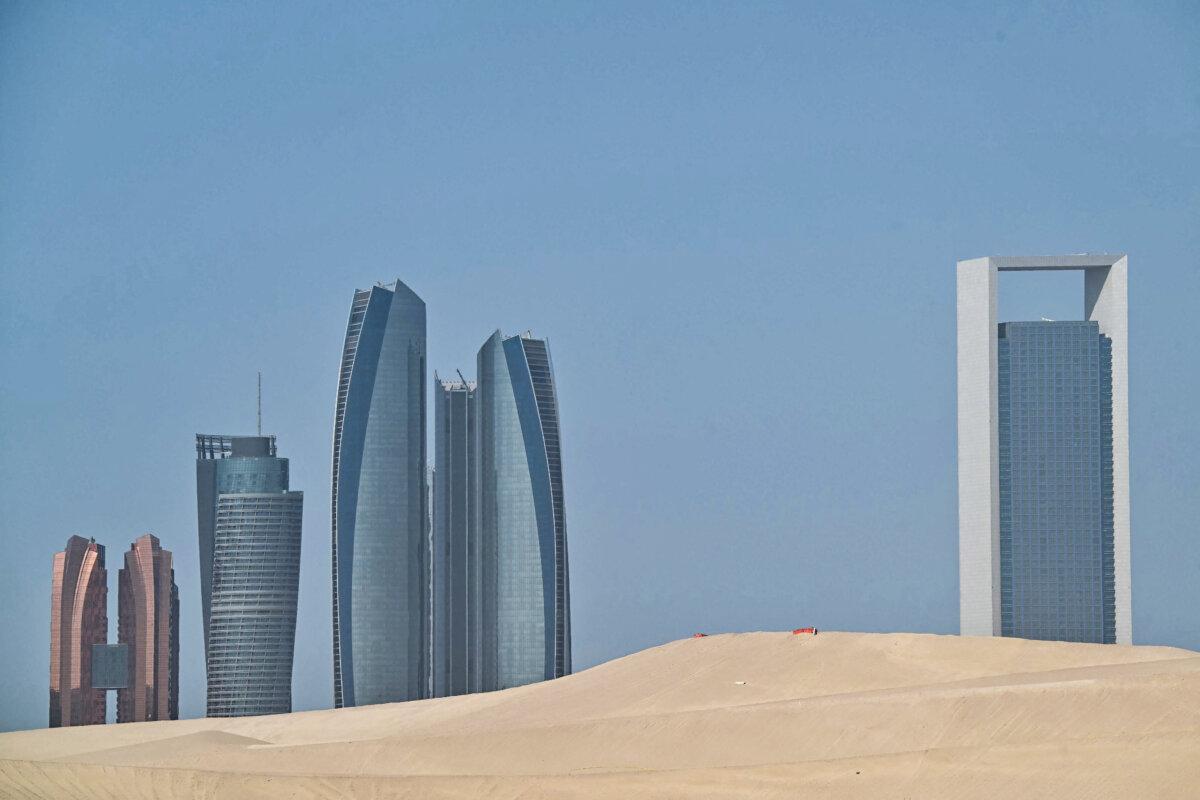
OPEC reported that the group’s production in March declined by 7.7 million barrels per day to below 21 million barrels per day.
The UAE lost more than 1.5 million barrels of output last month.
Could It Reshape the Oil Market?
Some analysts believe the move could reshape energy markets, trade flows, and the strategic commodity landscape.
In an April 28 post on X, James Thorne, chief market strategist at investment dealer Wellington-Altus, said the UAE had invested heavily to expand capacity, but OPEC quotas had “limited its ability to monetise those barrels.”
“It is leaving because it wants to sell more of it while the world still needs it,” he said.
Monica Malik, chief economist at Abu Dhabi Commercial Bank, said the move “opens the door for the UAE to gain global market share when the geopolitical situation normalises.”
The exit should be positive for consumers and the broader global economy, she added.
President Trump’s OPEC Criticism
U.S. President Donald Trump has previously criticized OPEC for its role in determining global oil prices.
For years, the president has regularly criticized the organization and accused it of “ripping off the rest of the world” by inflating crude oil prices.
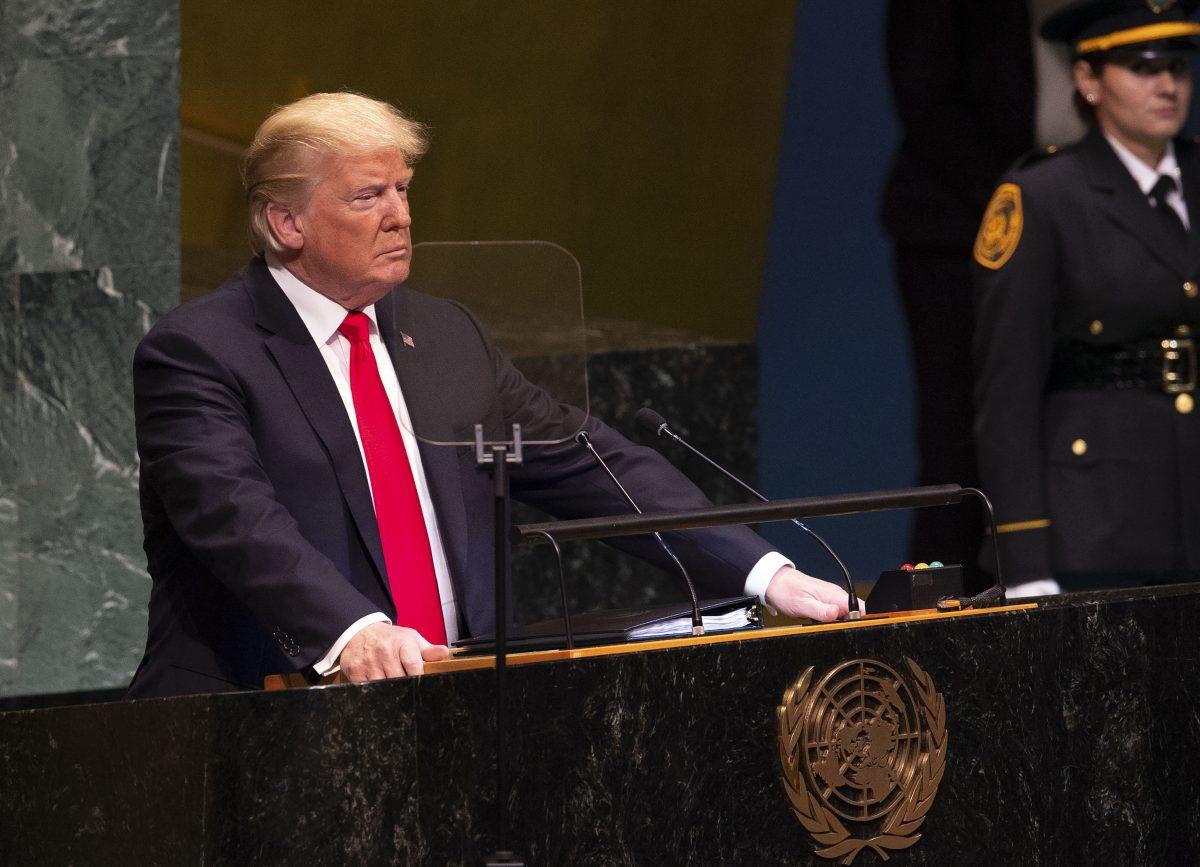
“OPEC and OPEC nations are, as usual, ripping off the rest of the world, and I don’t like it. Nobody should like it,” Trump said at the U.N. General Assembly in 2018. “We defend many of these nations for nothing, and then they take advantage of us by giving us high oil prices. Not good.”
The UAE is one of the United States’ most important allies in the Middle East.
The White House and State Department had not issued a public response to the UAE’s announcement by publication time.
Andrew Moran and Reuters contributed to this report.