The Economics of the Super Bowl, By the Numbers
The Super Bowl is America’s biggest and most-watched sporting event, drawing in more than 100 million viewers in recent years. Its halftime show is one of the most coveted gigs in entertainment. The advertisements that air during its broadcast are the subject of widespread discussion and ranking lists. And together, the whole spectacle marks one of the most commercially impactful annual events in sports all around the world.
[time-brightcove not-tgx=”true”]Beyond its massive global audience, the Super Bowl also serves as an economic engine for its host city and the country, generating enormous revenue in everything from ticket sales to concessions to hotel bookings, creating jobs, and pouring money into state tax coffers.
Read more: The History of the Super Bowl
Last year’s Super Bowl LIX in New Orleans generated an estimated $1.25 billion in total economic output across the state, a Louisiana State University study found. That figure doesn’t include a slew of other monetary impacts, from the bonuses players received to the millions shelled out by advertisers.
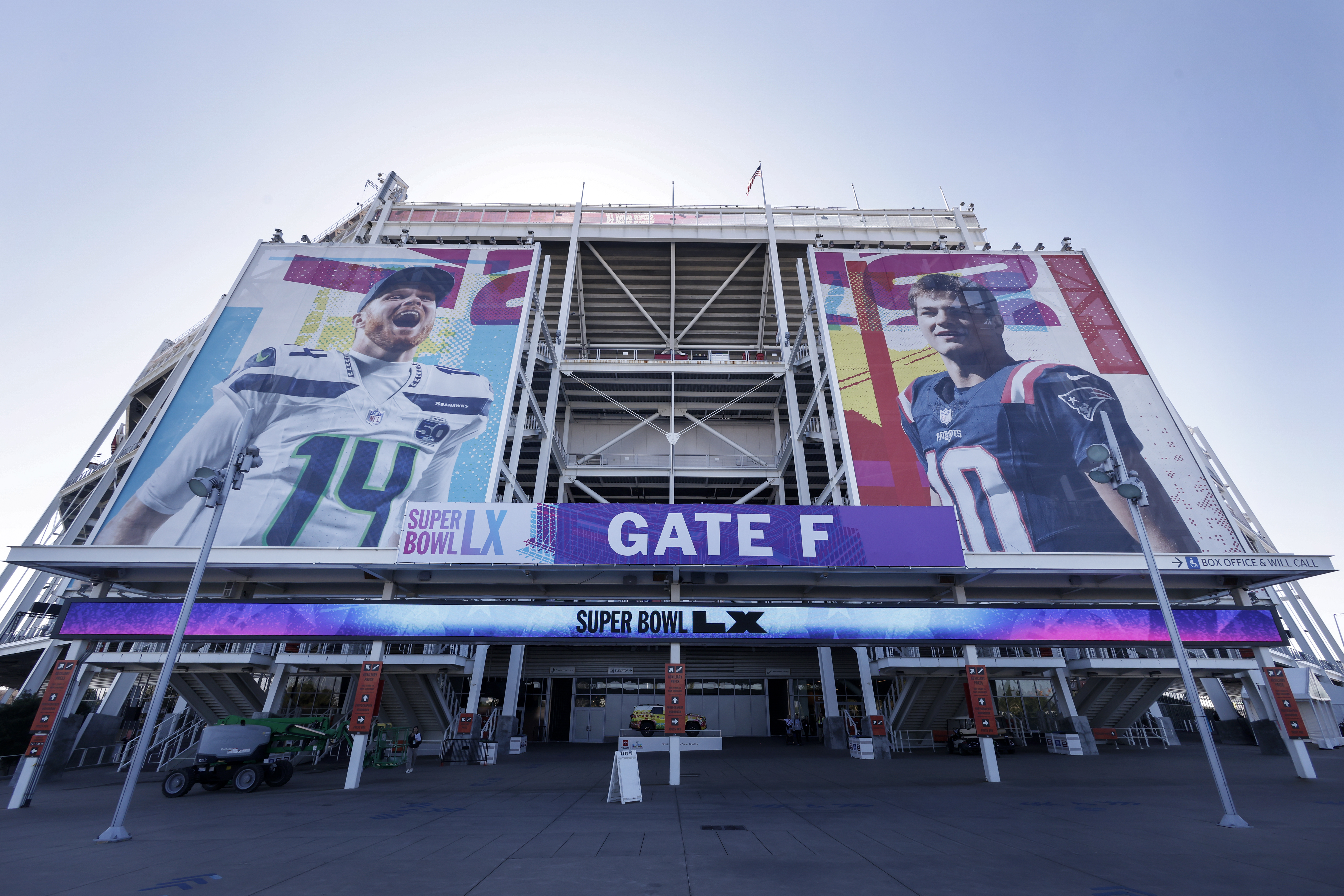
With Super Bowl LX between the New England Patriots and the Seattle Seahawks set to kick off in the San Francisco Bay Area this Sunday, here are a few ways that the event is supercharging the economy.
Tourism
The upcoming Super Bowl will be held at the Levi’s Stadium in Santa Clara, California, the second time that the stadium has hosted the game since 2016. The area is expected to see a flood of people coming for the event—and with them, a massive influx of money.
A study by the Bay Area Host Committee estimated that the event will generate between $370 million and $630 million in earnings across the area, largely fueled by more than 90,000 visitors anticipated to come from outside the Bay Area. In addition to direct spending from those visitors on a range of attractions and services, the committee’s calculation also includes money the teams playing in the game are expected to spend on housing, feeding, and transporting players and staff, as well as the logistical costs associated with the game and related events.
Visitors in Louisiana for last year’s Super Bowl collectively contributed just over $500 million in spending in the state, according to the LSU study, while vendors associated with the game added roughly another $180 million.
Jobs
This year’s game will also create around 5,000 jobs in the Bay Area across different industries, the host committee’s study found.
It estimated that as part of its broader economic impact in the area, the event will generate roughly $300 million in labor income.
Government earnings
Another piece of the total earnings the host area is expected to reap from the game will go toward the state and local governments. The Bay Area Host Committee estimated that those governments will see about $16 million in fiscal revenue.
Much of the income and sales associated with the Super Bowl are subject to state and local taxes. Tax revenue from last year’s game in New Orleans, for instance, reached a total of more than $80 million, according to the LSU study.
Ticket sales
With more than 60,000 football fans set to watch Sunday’s big game in person, Andrew Zimbalist, an economics professor at Smith College, estimated to CNBC that the NFL is will make close to $400 million in revenue off the sale of tickets and luxury boxes alone. The league set the starting ticket prices at around $6,000, but there are signs that suggest the prices are dropping.
According to TicketData, the current price of a pair of tickets is around $4,300, a sharp decrease from more than $6,000 earlier this month.
Advertisements
The commercials aired during the Super Bowl ad breaks are just as culturally relevant as the game itself.
And companies pay hefty sums to get their ads into the broadcast. According to Bloomberg, a 30-second commercial spot during the Super Bowl reached $10 million this year, an increase of more than $2 million from last year.
Aside from the money they put toward securing the spot, advertisers spend millions of additional dollars to produce their commercials, find celebrity endorsers, and promote the ads. Some advertisers are pre-releasing their commercials or small teasers ahead of this year’s game to generate buzz on social media. On Sunday, you will be seeing Emma Stone crying, Lady Gaga singing “Won’t You Be My Neighbor,” and Ben Affleck showing celebrity friends his cringe TV pilot, among other ad spots.
Players’ payouts
Only one team will emerge victorious from the Super Bowl. But every player on both the Patriots and the Seahawks has already won a significant bonus.
Under the NFL collective bargaining agreement, each player on the winning team will receive $178,000, while each player on the losing team will receive $103,000. This is a $7,000 increase for each group over the sums awarded for participating players in the 2025 game, and the amounts will continue to increase in the next season.
The Super Bowl prize money comes on top of the multi-million dollar base salaries and players receive, as well as incentive bonuses they get throughout the season for crossing certain thresholds. New England Patriot defensive tackle Milton Williams, for instance, is on a four-year, $104 million contract, with $63 million in guaranteed money, making him the highest-paid player in Patriot’s history, according to ESPN.
Betting
Sports betting continues to thrive and evolve where gambling is legal all over the country. And as with other major games, the Super Bowl LX is expected to prompt a storm of betting. The American Gaming Association (AGA) estimates that Americans will wager a record $1.76 billion legally on Sunday’s game.
One new phenomenon in the bettor market is that in addition to betting on the specific score of the game, bettors this year are wagering millions of dollars over what phrases the NFL announcers or analysts will or won’t say during the event. ESPN reported that more than $47 million has been staked this season in so-called “mention market” on prediction market Kalshi.
The halftime show
While the Super Bowl halftime show, a cultural phenomenon in and of itself, contributes to the draw for viewers of the event—as well as the logistical costs and labor that go into it—artists aren’t paid much for their performances.
The artists are paid on a “union scale,” which guarantees a minimum wage that amounts to more than $1,000 a day. The NFL also covers all production costs associated with the show, according to Brian McCarthy, the organization’s vice president of communications.
So why would any artists agree to perform for such little pay? Exposure is a big reason. Hours after his halftime show last year, rapper Kendrick Lamar saw a 173 percent jump in his streams on Spotify in the U.S., with streaming of his hit song “Not Like Us” increasing by 430 percent.
The NFL itself, meanwhile, gets a more direct monetary benefit from the performance: Apple pays the league nearly $50 million each year to serve as the primary sponsor of the halftime show, according to Sportico.