
What Happens After a Child Is Taken Into ICE Custody?
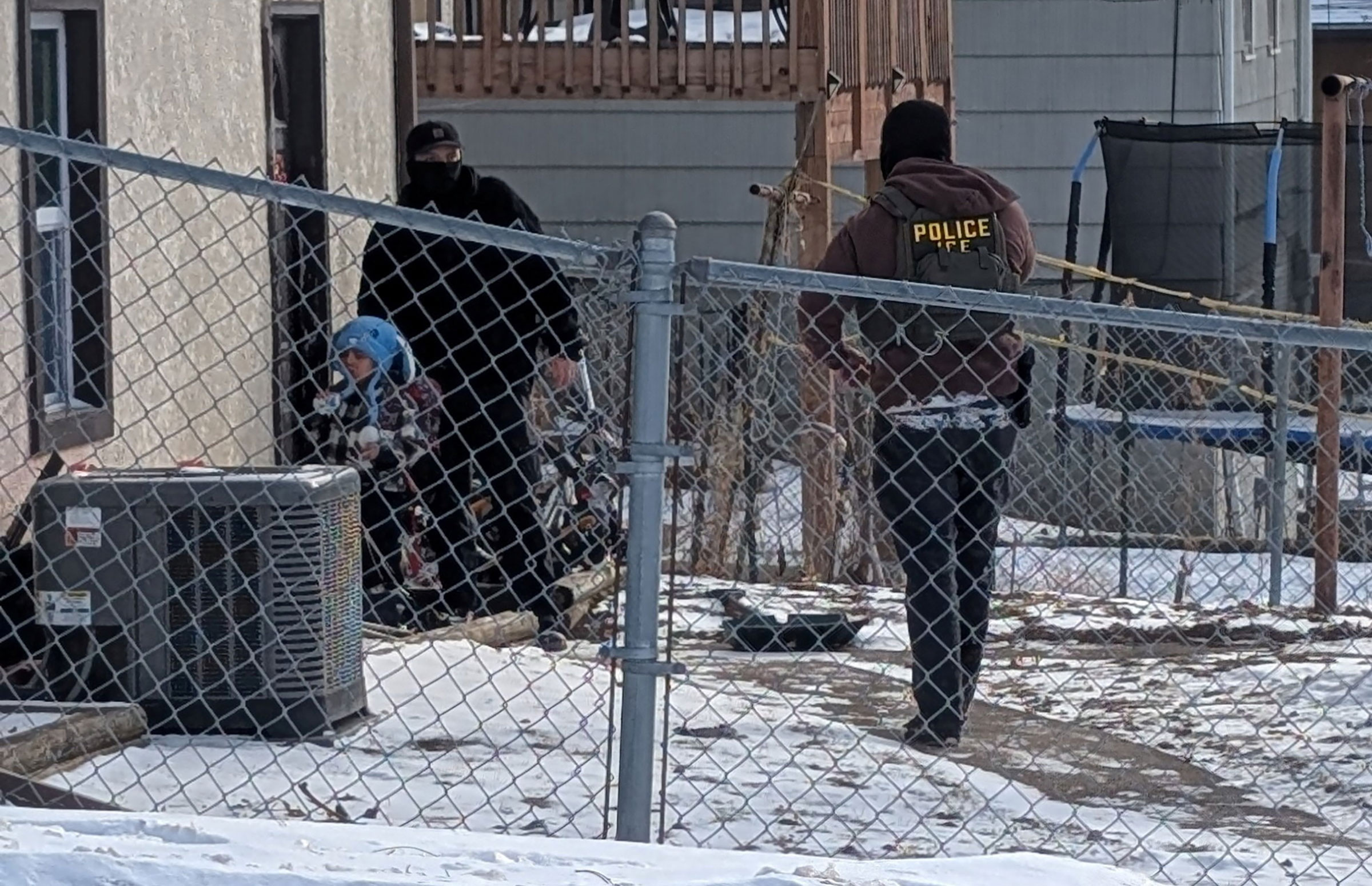
ICE’s detention of five-year-old preschooler Liam Ramos in the Minneapolis area on Tuesday has sparked questions about the legality of federal immigration agents detaining children—and what happens when they do.
Ramos, one of four students in the Columbia Heights Public School District who have recently been detained amid the Trump Administration’s immigration crackdown in the area, is far from the only child who has been taken into ICE custody in the past year. An analysis of ICE data obtained by the Deportation Data Project showed at least 3,800 children have been detained by the agency under the second Trump Administration, over 500 of whom were under the age of five.
[time-brightcove not-tgx=”true”]Read more: Why Democrats Fought the ICE Funding Bill—and Why It Passed Anyway
So what happens after an immigrant child gets detained by ICE? TIME spoke to a former ICE official and a legal expert to better understand the policies underlying the deportation operations in Minneapolis and nationwide.
Can ICE agents legally detain children without a warrant?
According to the ICE website, officers and agents are allowed to briefly detain or arrest anyone if they have any “reasonable suspicion” that the people who they approached are immigrants who came to the country illegally. The officers often do not need a judicial warrant to make an arrest.
In September, the Supreme Court allowed ICE to stop people because of their race, the language that they speak, the way they dress, the location they are in, or the line of work they are in, pausing a lower court ruling that had barred such actions.
What is a detained immigrant parent allowed to do to take care of their children?
In July, DHS issued a Detained Parents Directive, which ensures that detained parents are able to identify a caretaker for their children while they are in detainment. The directive also said parents in detention facilities cannot be deported if they need to participate in family court, child welfare, or guardianship proceedings.
In practice, however, identifying another caretaker for the children of detained parents can be difficult. Parents who are subject to detainment can choose to take the children with them if they can’t find an alternative caretaker.
“One of the issues that’s been coming up repeatedly is that they are not considering parents who are undocumented, or other relatives who are undocumented, to be a placement for these children,” says Sarah Mehta, deputy director of policy and government affairs for the Equality Division at the ACLU. “So, you are seeing more kids go into detention, even though there are plenty of other options for them.”
Why were Liam Ramos’ family transferred to Texas?
When parents decide to take their children with them to a detention facility, ICE needs to transfer the family to South Texas Family Residential Center in Dilly, Texas, the only facility in the United States that can house immigrant families who are waiting for their deportation proceedings.
Currently, the facility can hold up to 2,600 individuals, and it is split between family units and single adult females. The family detention facility operated under several prior Administrations as well, until the Biden Administration ended it. Now, the new Trump Administration has restarted it, the former official says.
According to a court-mandated agreement known as the Flores Settlement Agreement, children are not allowed to be held in detention facilities for more than 20 days, although Mehta alleges that the government has been violating the Flores Settlement “left and right.”
“There’s been thousands of kids that have been held beyond 20 days, some of them held for several months, which is a violation of the law,” Mehta adds.
How often do ICE agents arrest and detain children under the age of 18 without their parents?
Very rarely do ICE agents arrest immigrant children alone, according to the former ICE official who worked under the Biden Administration. A child without a parent or legal guardian is classified as an unaccompanied minor, and must, by law, be transferred by ICE to the Office of Refugee Resettlement (ORR) under the Department of Health and Human Services. The ORR will help unaccompanied children find their family members.
In reality, the government has been trying to prevent lawyers from going to see kids by both canceling different contracts and creating other types of hurdles, Mehta says.
“As kids are in prolonged detention, it’s going to be even harder for them to find lawyers. and even harder for them to get representation,” she says.