
Trump Paused Hormuz Naval Mission Amid Progress in Iran Talks: Israeli Officials
By Tom Ozimek
Senior Israeli officials have said that President Donald Trump’s decision to pause a newly launched U.S. naval operation in the Strait of Hormuz came amid signs of progress in indirect talks with Iran, even as deep divisions within Tehran’s leadership cast doubt on prospects for a lasting agreement.
Trump announced on May 5 that “Project Freedom,” the U.S.-led mission to escort commercial shipping through the Strait of Hormuz, would be suspended temporarily to allow diplomacy to continue, while maintaining the broader U.S. blockade on Iranian ports.
“Project Freedom (The Movement of Ships through the Strait of Hormuz) will be paused for a short period of time to see whether or not the Agreement can be finalized and signed,” Trump wrote on Truth Social.
Senior Israeli officials told Epoch Magazine Israel that Jerusalem believes the move followed progress in contacts involving Iranian Foreign Minister Abbas Araghchi and ongoing Pakistan-mediated diplomacy between Washington and Tehran.
But the officials cautioned that the central question remains whether senior commanders in Iran’s Islamic Revolutionary Guard Corps are willing to support any emerging agreement.
According to the Israeli assessment, economic pressure created by the naval blockade and the disruption of shipping through the Strait of Hormuz is intensifying unrest inside Iran and beginning to strain the country’s leadership.
The officials described a widening split between Iranian President Masoud Pezeshkian and hardline Revolutionary Guard commanders led by Gen. Ahmad Vahidi, particularly after recent Iranian missile and drone attacks against the United Arab Emirates.
They also assessed that Supreme Leader Mojtaba Khamenei is increasingly aligned with the Revolutionary Guards and does not fully grasp the severity of Iran’s worsening economic situation following weeks of maritime disruption and military confrontation.
Israeli officials said Pezeshkian fears that a deepening economic crisis could trigger renewed anti-government unrest and believes that Iran’s only realistic path to stabilization is to reach an agreement with the United States.
Diplomatic Momentum Builds
Trump said on Truth Social that his decision to pause Project Freedom came partly at the request of Pakistan and other regional countries, including Saudi Arabia.
Pakistani Prime Minister Shehbaz Sharif thanked Trump in a Wednesday post on X for what he called the U.S. president’s “courageous leadership” and “timely announcement” regarding the pause in the operation.
Sharif said Trump’s response to requests from Pakistan and “brotherly countries,” particularly Saudi Crown Prince Mohammed bin Salman, would help advance regional peace and reconciliation.
Pakistan has emerged as a key intermediary in indirect negotiations between Washington and Tehran as both sides seek to prevent a wider regional conflict.
Meanwhile, Araghchi traveled to Beijing on Tuesday for talks with Chinese Foreign Minister Wang Yi, his first visit to China since the conflict erupted in late February.
In a statement posted on Telegram, Araghchi said he briefed Chinese officials on ongoing diplomatic initiatives, including Pakistan-mediated Iran–U.S. talks aimed at ending what he described as the “imposed war” by the United States and Israel against Iran.
China reiterated its opposition to the use of force and expressed support for diplomacy and dialogue to resolve the conflict, according to the Iranian readout.
The visit comes ahead of an expected summit later this month between Trump and Chinese leader Xi Jinping, as Washington presses Beijing to use its ties with Tehran to help stabilize shipping through the Strait of Hormuz.
Fragile Ceasefire Holds
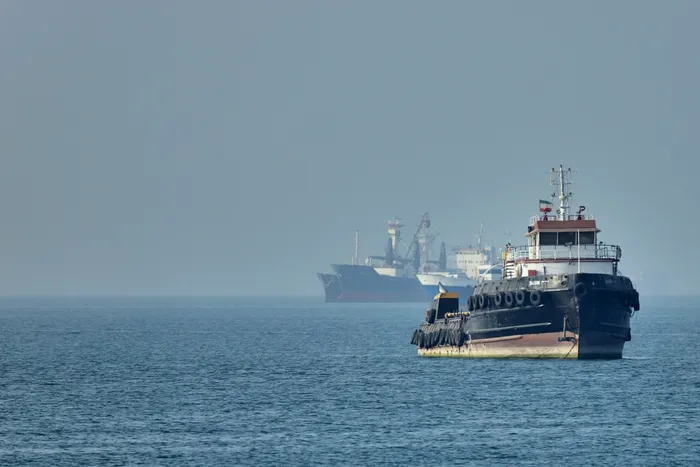
Project Freedom was launched after weeks of Iranian attacks and harassment targeting commercial vessels in the Strait of Hormuz, a strategic waterway that handles roughly one-fifth of global oil trade.
The operation involved about 15,000 U.S. military personnel, 25 warships, and more than 100 aircraft assigned to help escort more than 1,500 commercial vessels stranded in the Persian Gulf.
Before Trump announced the pause, War Secretary Pete Hegseth told reporters at a Pentagon briefing on Tuesday that two U.S.-flagged commercial ships escorted by American destroyers had already safely transited the strait.
“We know the Iranians are embarrassed by this fact,” Hegseth said. “They said they control the strait. They do not.”
Hegseth also said the ceasefire with Iran remained intact despite continued Iranian attacks in recent days.
Chairman of the Joint Chiefs of Staff Gen. Dan Caine said at the same press briefing that Iran had fired at commercial vessels nine times and attacked U.S. forces more than 10 times since the ceasefire was announced, but described those incidents as remaining below the threshold for renewed “major combat operations.”
Oil prices and global shipping markets remained volatile amid concerns that the fragile diplomatic opening could collapse if either side resumes large-scale military action.