Gas-Powered Porsche Macan Production Ends This Summer as the Brand Faces a Two-Year Gap in Its Most Important SUV Lineup
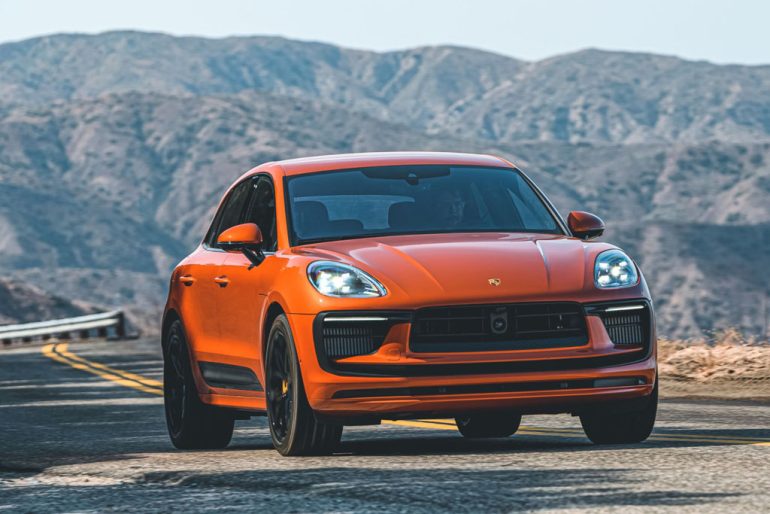
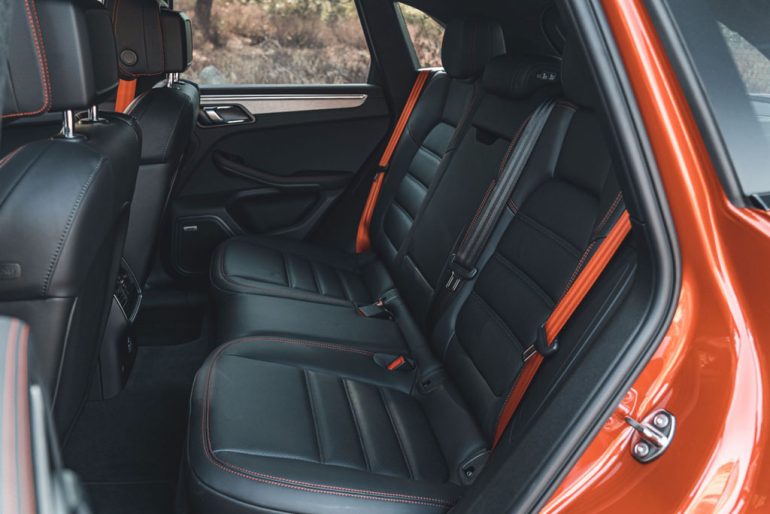
Porsche is preparing to say goodbye to the gas-powered Macan, and that is a much bigger deal than it may sound at first. The compact SUV has long been the brand’s most attainable model in the United States, while also serving as one of Porsche’s most dependable sales engines. According to Automotive News, Porsche confirmed during a recent earnings call that production of the internal-combustion Macan will stop this summer, with CFO Jochen Breckner saying the company plans to build as many as it can in the remaining months. Road & Track also reported that the final run will depend partly on supplier capacity.
That leaves Porsche in an unusual position. The Macan Electric, introduced in 2024, will carry the nameplate forward, but the outgoing gas model has been the volume player for years. Porsche Cars North America reported that the Macan was its top-selling model in 2025, with 27,139 U.S. deliveries, helping the company set a new all-time U.S. sales record. Globally, Porsche Newsroom says the Macan remained the brand’s strongest model line in 2025, with 84,328 deliveries, split between 45,367 fully electric versions and 38,961 combustion-engined models in markets where the gas version was still offered.
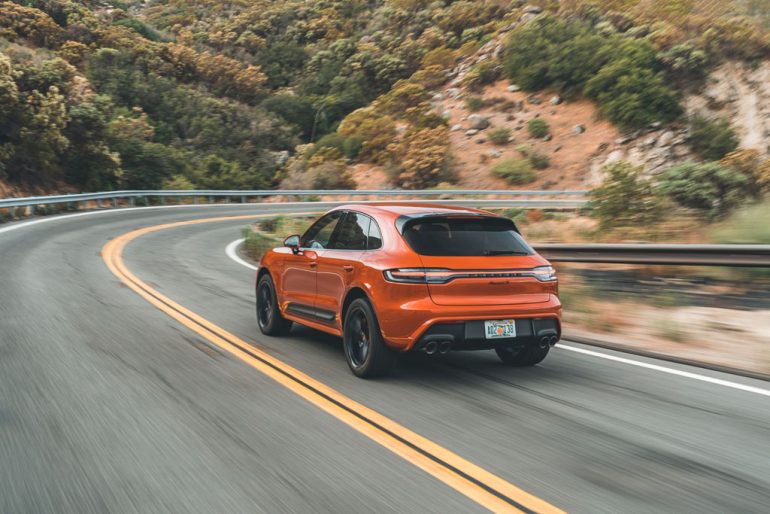
The timing is what makes this decision so fascinating. Porsche went hard into electrification with the second-generation Macan, and from a performance standpoint, the Macan Electric is absolutely worthy of the crest. Still, customer demand has not shifted as cleanly or as quickly as automakers expected just a few years ago. Cox Automotive estimates cited in industry reporting suggest the electric Macan is still ramping up in the U.S., while the outgoing gasoline model continues to pull in traditional Porsche buyers who want compact size, familiar fueling, and that easy everyday usability that made the Macan such a hit in the first place.
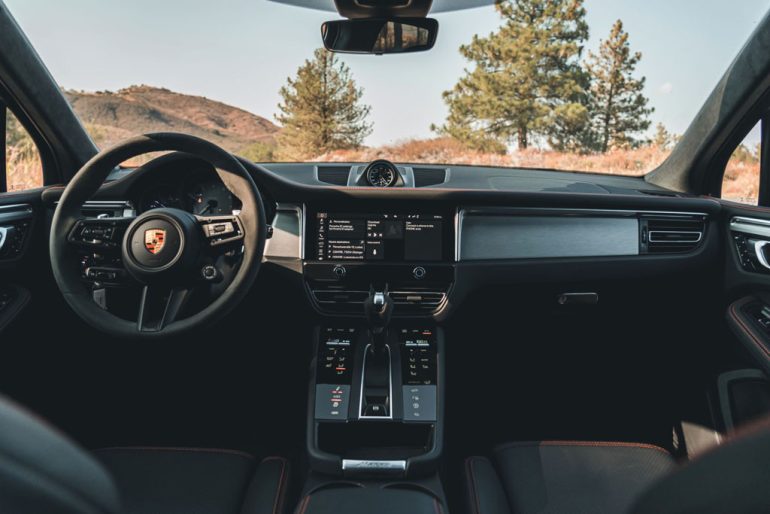
Porsche is not walking away from combustion power in this segment for good. Reports from Car and Driver, Road & Track, and others point to a gas-powered successor arriving around 2028, likely with both conventional gasoline and hybrid powertrain options. The upcoming model is expected to share its bones with Volkswagen Group’s Premium Platform Combustion architecture, the same basic foundation used under the latest Audi Q5, though Porsche will undoubtedly tune, style, and position it in its own way.
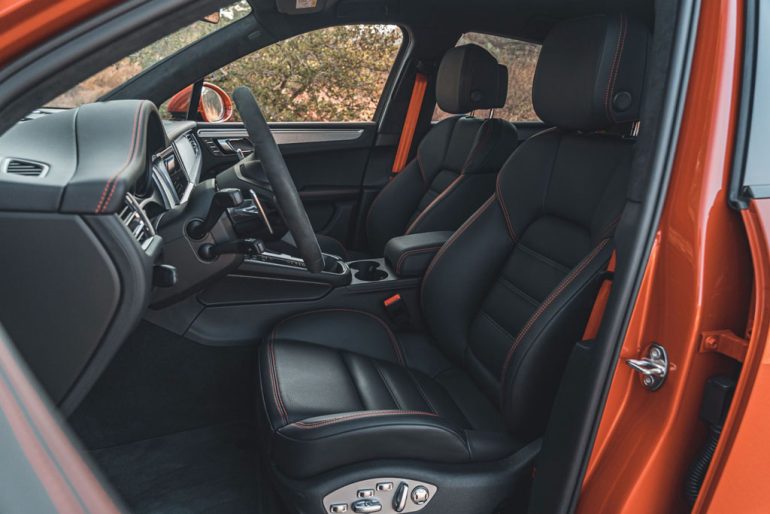
For shoppers, this means the next several months could be the last real window to order or buy a new gas-powered Macan before inventories begin thinning out. For Porsche, it creates a risky pause in one of the hottest luxury SUV categories, especially in a market where buyers have not fully abandoned combustion engines. The Macan helped bring a younger, broader group of customers into Porsche showrooms, much like the Cayenne did before it on a larger scale. Now Porsche has to hope the electric version can carry enough of that momentum until the next gas and hybrid chapter arrives. That makes the end of the original Macan less like a quiet retirement and more like one of the most important product handoffs Porsche has faced in years.