Honda Delays Next-Generation Odyssey Accord HR-V and Key Acura Models Until the 2030s

Honda may be entering an awkward stretch where some of its most familiar nameplates have to work a little longer than originally planned. According to a report from Automotive News, cited by Car and Driver, a supplier memo indicates that several next-generation Honda and Acura models are being pushed well into the 2030s. The list reportedly includes the Honda Odyssey, Accord, and HR-V, along with the Acura MDX and Integra, all of which are important models for keeping buyers in showrooms.
The shift appears to be tied to Honda’s broader EV strategy reset. Earlier this year, Honda reportedly canceled three electric vehicles that had been planned for U.S. production, including the 0 Series SUV, 0 Series Saloon, and Acura RSX. That decision came after years of investment and retooling, with reports pointing to a $15.8 billion impact. For Honda, that is not just a line-item adjustment. It is the kind of corporate course correction that can ripple across future product planning, especially when factories, suppliers, and model cycles have already been mapped out years in advance.
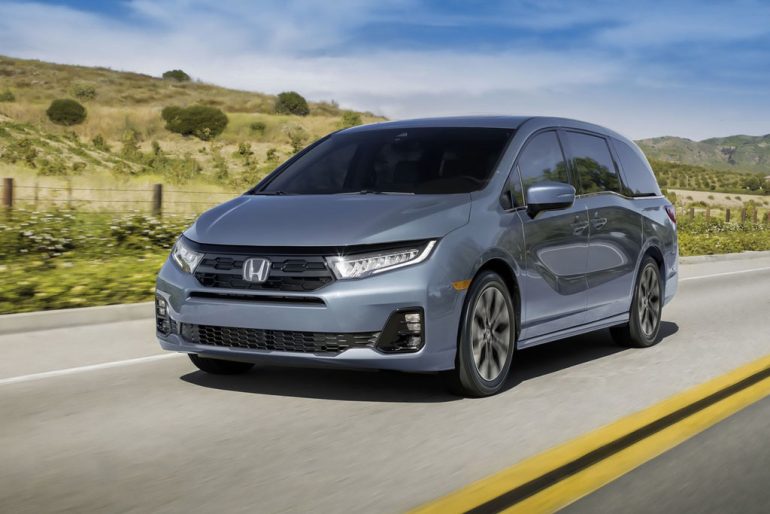
The Odyssey is one of the most notable models affected. Automotive News reports that the current minivan may not enter its next generation until March 2030. That would make for a long run, considering the current Odyssey launched for the 2018 model year and has received updates along the way rather than a full redesign. Honda reportedly considered dropping the Odyssey for a short period before a new hybridized model could arrive, but keeping it alive makes sense. Minivan buyers are loyal, but they also have strong alternatives from Toyota, Kia, and Chrysler, and Honda likely does not want to hand those families to rival brands.
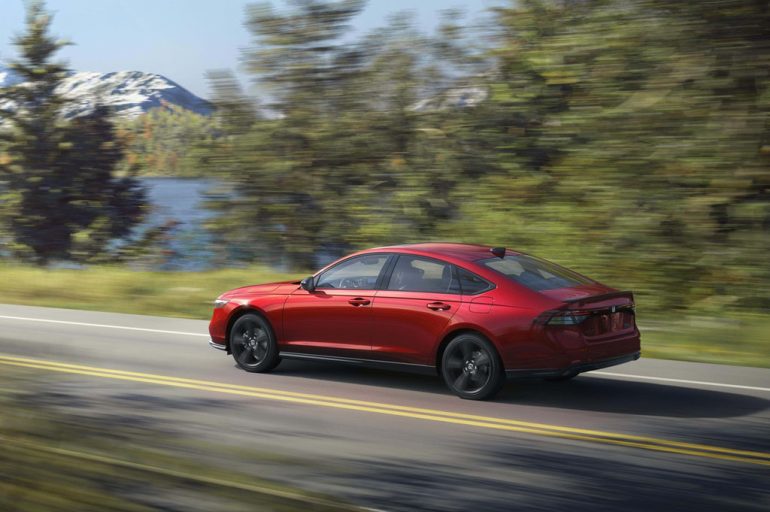
The Accord also appears to be staying the course for longer than expected. The current 11th-generation Accord arrived for 2023, so a redesign around 2030 would still put it on the longer side of a typical sedan life cycle. Car and Driver notes that there is no next-generation Accord listed in the supplier document, while Automotive News suggests Honda could eventually move the Accord to a hybrid-only strategy, similar to what Toyota has done with the Camry. That would not be shocking, especially since Honda’s hybrid system has become one of the Accord’s strongest selling points.
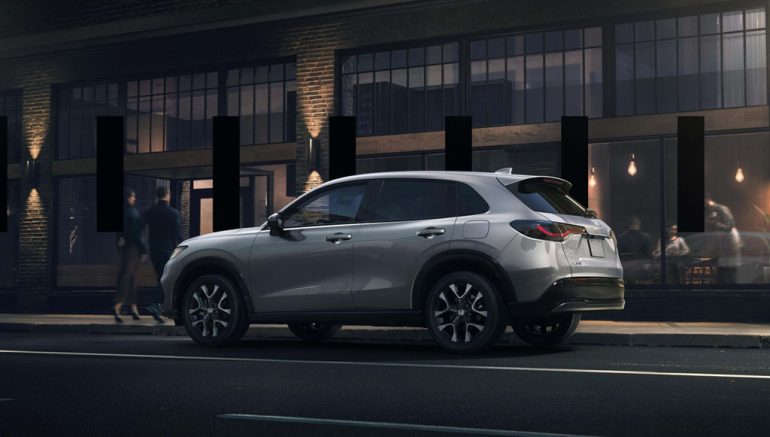
The HR-V may have the longest wait of the Honda-branded models mentioned in the report. Its current generation is now expected to remain in production until early 2032, which would put it close to a decade on the market. That is a long time in the small crossover space, where buyers expect fresh tech, competitive fuel economy, and modern cabin packaging. Still, the HR-V continues to be a useful entry point into Honda’s SUV lineup, and stretching its cycle may be a way for Honda to preserve production stability while it reworks its larger electrification plans.
Acura may feel the squeeze even more because its lineup is smaller and each model carries more weight. The MDX, Acura’s top-selling SUV, reportedly will not receive a full redesign until early 2031, which means the current version will need to remain competitive for several more years. The Integra is also said to have its production extended until March 2032, with no clear successor mentioned in the supplier memo. That raises some real questions about Acura’s near-term product rhythm, especially as the RDX is also caught in the brand’s changing EV and hybrid plans.
The bigger story is not simply that Honda is delaying a few redesigns. It is that the industry’s EV transition continues to force automakers into difficult, expensive, and sometimes messy decisions. Honda still has strong brand equity, excellent hybrid technology, and a reputation for durability, but stretching aging products too long can become risky if competitors keep moving quickly. The good news is that Honda has a history of making practical, well-engineered vehicles that age gracefully. The challenge now is making sure they do not age too much before the next wave finally arrives.