Ford’s $30,000 Electric Pickup Preview Shows a Smaller EV Truck With Big Expectations
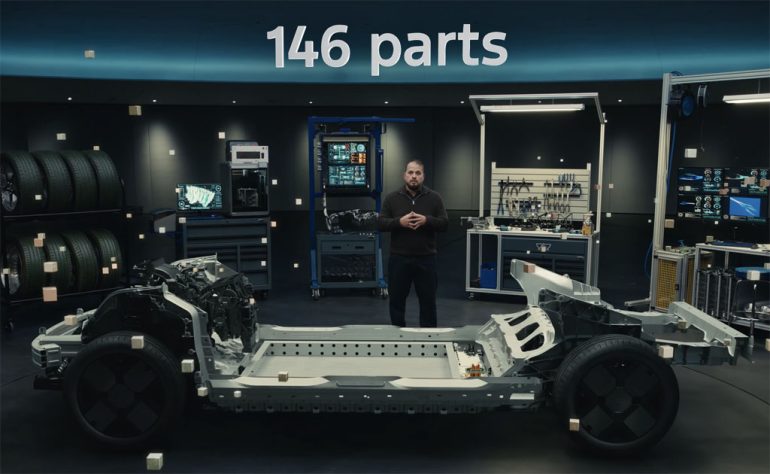
Ford is inching closer to revealing its next big electric truck play, and this one could matter more to everyday buyers than the F-150 Lightning ever did. The automaker recently gave several media outlets, including Car and Driver, an early preview at its Electric Vehicle Development Center in Long Beach, California, where reporters got a very brief look at a heavily camouflaged prototype and a closer look at the hardware behind Ford’s Universal Electric Vehicle platform. The full truck is still under wraps, but the takeaway is clear: Ford is working on a more affordable midsize electric pickup that looks more like a real truck than some kind of futuristic experiment.
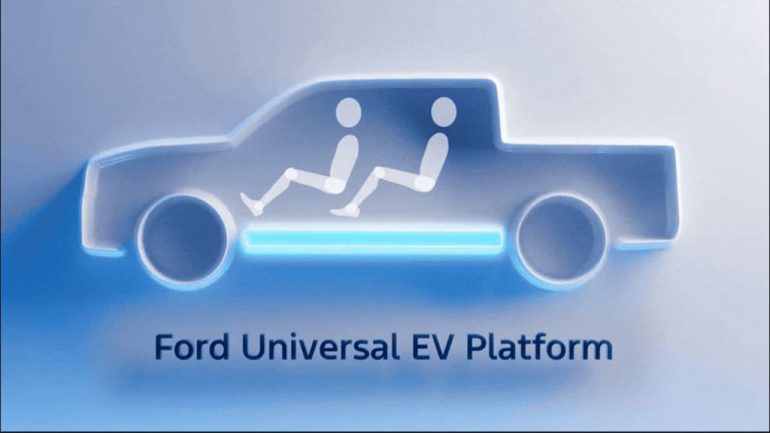
The new EV pickup is expected to debut next year and launch as the first vehicle on Ford’s UEV platform, which is being designed around lower cost, simpler manufacturing, and better packaging. Ford has previously talked about targeting a starting price around $30,000, which would put this truck in a very interesting space if the company can actually deliver on that number. In a market where many EVs still feel too expensive for mainstream shoppers, a practical electric truck with a familiar shape and a more approachable price could give Ford a serious advantage.
From what was shown during the preview, the truck appears to have a traditional pickup profile, including a vertical cab back and horizontal bed sides. Car and Driver walked away with the impression that it may be similar in size to the Ford Maverick or possibly a little larger, with a shorter nose and a cabin that Ford says offers more interior volume than a Toyota RAV4. That is a smart direction. The Maverick proved that buyers still want compact and midsize utility when it is packaged right, and an electric version of that basic idea could be a strong fit for commuters, light-duty truck owners, and people who want utility without stepping up to a full-size EV pickup.
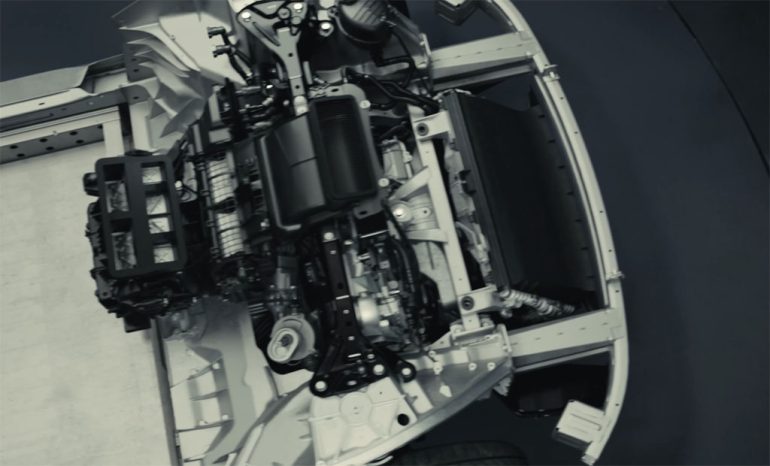
Under the skin, Ford’s UEV platform is where things get especially interesting. The architecture uses large front and rear castings, a structural battery pack, and a body that drops over the rolling chassis. Ford is trying to reduce complexity by using fewer parts and allowing components to serve multiple purposes. There is also a focus on 48-volt electrical systems for many accessories, which can help reduce wiring weight and complexity. This is not just about building another EV. It is about rethinking how Ford designs and assembles a vehicle so it can make EVs cheaper, faster, and hopefully more profitably.
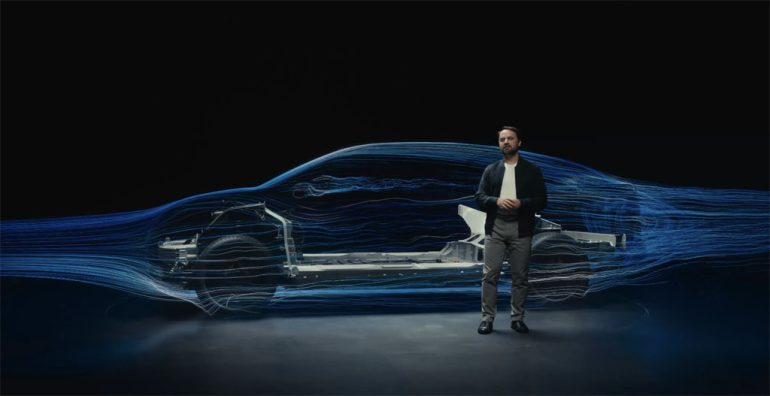
Repairability also appears to be part of the plan, which is important given the concerns many consumers and insurers have raised about large casting designs. Ford says its castings are being designed with repair sections in mind, allowing damaged areas to be cut out and replaced rather than forcing an entire major structure to be swapped. That may not sound glamorous, but it could be a big deal in the real world. Affordable EVs cannot just be affordable on the window sticker. They also need to make sense when something goes wrong.
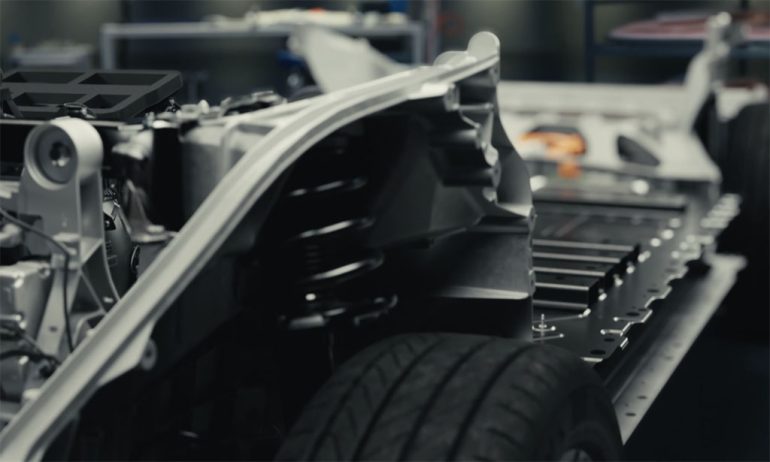
Ford’s Long Beach development center also shows how serious the company is about speeding up its EV learning curve. Engineers are working on wiring, seating, trim, software, manufacturing processes, and component testing in one place, which should help the team make quick changes without the usual delays. That kind of setup has been common in startup culture, and Ford is clearly trying to blend some of that speed with its deep experience in trucks. Whether that combination works at scale is the big question.
For now, this upcoming Ford electric pickup is still more promise than product, but the preview gives us enough to be cautiously excited. A $30,000 midsize EV truck with real pickup styling, useful cabin space, smart repairability, and simplified manufacturing could be exactly the kind of electric vehicle Ford needs. The company has had its share of EV growing pains, but if this truck lands with the right range, utility, and price, it may become one of Ford’s most important new vehicles in years.