
What makes Ping's hybrids so good? I met with their engineers to find out
If you ask different experts across the industry who makes the best hybrid, Ping won’t lack for votes. I’ve personally used a Ping hybrid since the G400 hit the market, and I have no desire to switch. There are other excellent hybrids on the market — PXG and Cobra specifically surprised me this year — but there’s just something about a Ping.
At the Ping Proving Grounds in Scottsdale, Ariz., I had a chance to hit my own personal hybrids (G440s 4- and 5-hybrid) and talk through them with Master Fitter James Lee and Travis Milleman, senior design manager. Here’s what I learned.
Shape
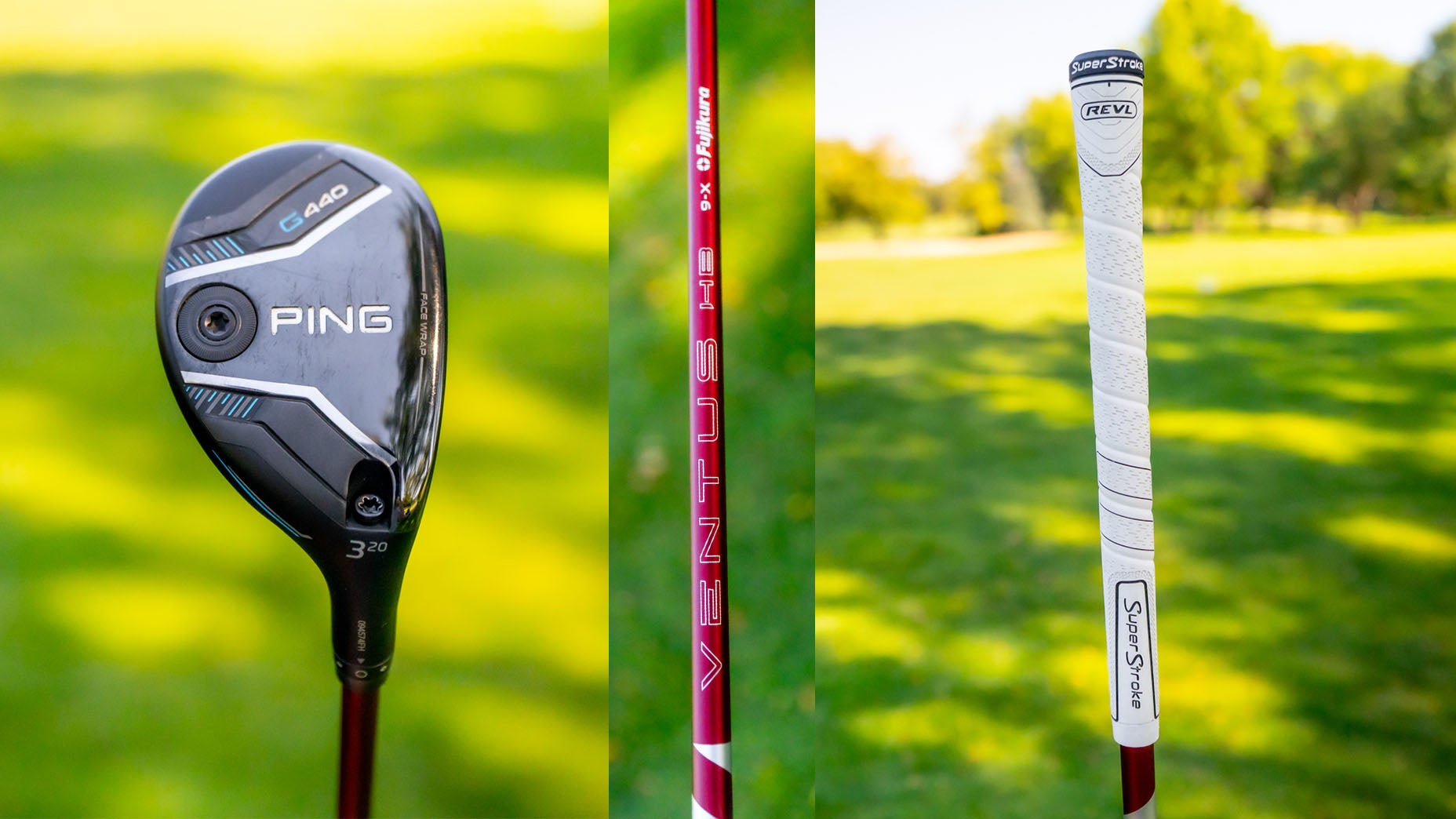
For me, the starting point that makes the hybrids so good is the shape. The Ping hybrids aren’t trying to be small, and they aren’t trying to “look like an iron.” They’re on the larger side, but with a shallower face profile, and they provide tons of confidence. It’s hard to set down the clubhead behind the ball and not feel good about the swing you need to put on it.
How a new mindset changed this scratch handicap’s fitting experience | Fully Fit 2026
Sound and feel
Another easy nod for the Ping hybrids is how they sound and feel off the face. The hybrids have never been cursed with the high pitched ringing noise that wasn’t solved in Ping drivers until the G430 line. They’ve always had a loud sound at impact with a bit of a firmer feel that rockets off the face, but it’s never accompanied by a high pitch. It’s a nice crack at impact with a short duration that satisfies even the pickiest of audible concerns.
Performance
As I noted above, I have been playing a Ping hybrid since I started playing golf. The first was a G400 that I bought used for less than $50. I quickly upgraded to a G410, then a G425, G430 and then a G440 at the start of 2025 when the new lineup was launched. I’m also eagerly awaiting the arrival of new woods from Ping early next year, assuming they stick with their normal 2-year cycle.
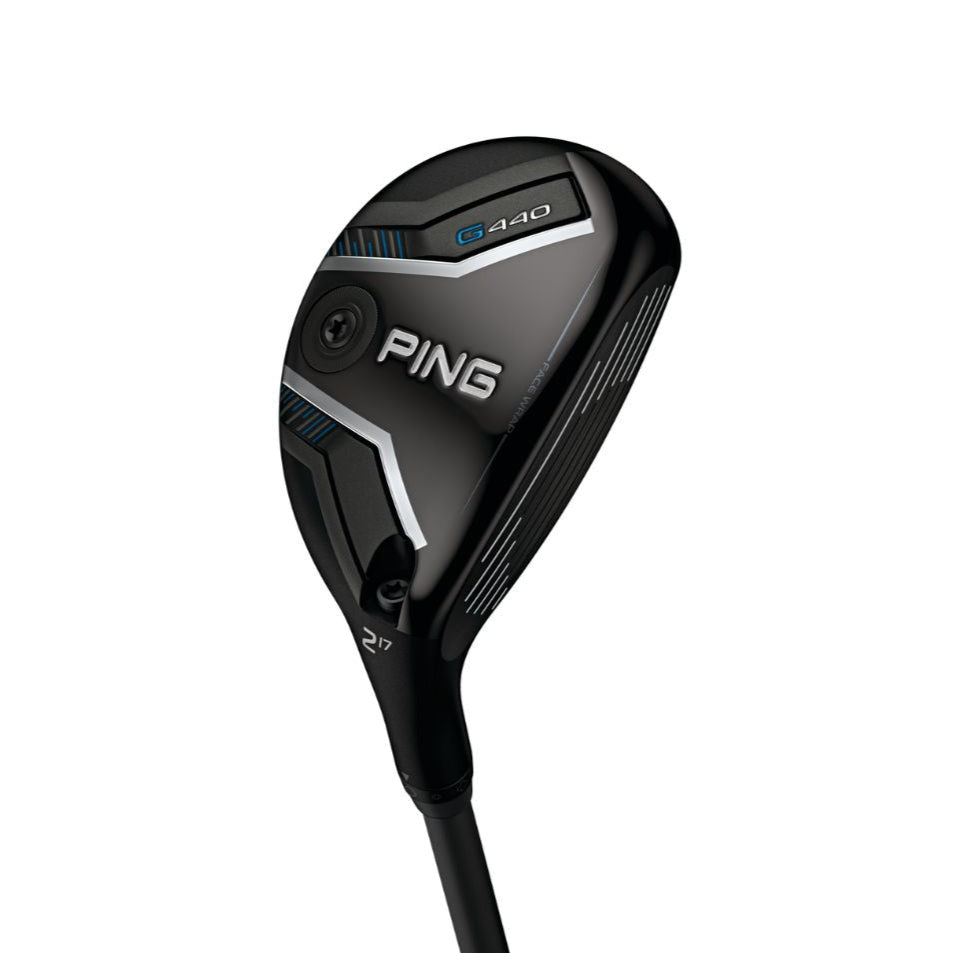
PING G440 Custom Hybrid
View Product
For me, every iteration of Ping hybrids has improved in a key area. From G400 to G410, they sounded a bit better; from G410 to G425, ball flight was more consistent with the introduction of Spincistency Technology; and G430 saw a massive ball-speed difference over G425 — enough that many golfers had to go into higher lofted models to maintain the same gapping in the bag. When G440 came along, I didn’t notice a ton of difference in “launch-monitor performance,” but they made one huge change: a progressive face-angle across the lofts. This is massive, and a way that Ping is taking one more thoughtful step before releasing its products.
In the video above, which you can also watch on YouTube below, you hear Travis talking about the Ping team diving into Arccos player data when developing the latest lineup. The key point is that few players used a 2-hybrid and 5-hybrid in the same bag, so why were they designing them the same way? The 2-hybrid player is at higher speeds and longer distances, and they also want something that’s not going to go left. The 5-hybrid player typically struggles a bit more and needs help launching the ball up in the air and getting it to turn over.
With the introduction of the progressive face angle in the new G440 hybrids, Ping controlled those expectations. The 2-hybrid starts the most open and fade biased, leading all the way down to the 7-hybrid that is the most closed at address and helps to launch the ball high and mitigate a right miss. It’s a cool way to direct performance straight to the end user.
Team hybrid for life
In the recent surge of high-lofted fairway wood use, I’ve been a staunch supporter for more golfers trying out the hybrid, and I’ve recommended Ping to all of them. What’s not to like? Plenty of launch help at lofts where it’s more needed; tons of ball speed; an easier-to-control flight window; and more playability from bad lies. If you’re a player looking to replace an iron, potentially even all the way down to an 8-iron, these clubs are terrific options that make the game easier.
Are you team hybrid? You should be!
The post What makes Ping’s hybrids so good? I met with their engineers to find out appeared first on Golf.