
CENTCOM Denies Iranian Claim of Missile Strike on US Warship in Strait of Hormuz

By Evgenia Filimianova
The United States has rejected Iranian state media reports that a U.S. warship had been struck by missiles in the Strait of Hormuz.
U.S. Central Command (CENTCOM) said in a May 4 post on X that “no U.S. Navy ships have been struck,” adding that U.S. forces are supporting Project Freedom and enforcing the naval blockade on Iranian ports.
The statement followed reports from Iranian media outlets alleging that Iranian forces issued warnings to U.S. naval vessels and engaged in a direct confrontation in the region.
Iranian state broadcaster IRIB said on May 4 that the Iranian Navy “has given a firm and swift warning to the destroyers of the American-Zionist enemy,” which prevented them from entering the strait.
Iranian naval chief Shahram Irani warned that “if the enemies come forward, we will take swift and decisive action,” according to IRIB’s report.
The Fars news agency, an Iranian state-run media outlet, reported on May 4 that “two missiles have struck a U.S. Navy frigate in the regional waters,” citing local sources in southern Iran.
According to the report, the vessel had been operating near the port of Jask and “came under missile attack after ignoring warnings from the naval forces of the Islamic Republic of Iran.”
It added that the ship “was unable to continue its course and was forced to turn back and flee the area.”
Separately, Iran’s state-affiliated Tasnim News Agency reported on May 4 that Iran’s Islamic Revolutionary Guard Corps had declared a new maritime control zone in the strait.
Tasnim said the zone extends across key maritime boundaries and described it as part of a “smart control” system enforced by Iranian armed forces.
In a separate May 4 report, Tasnim said Iran’s navy issued a “decisive and swift warning” that prevented U.S. and allied destroyers from entering the area.
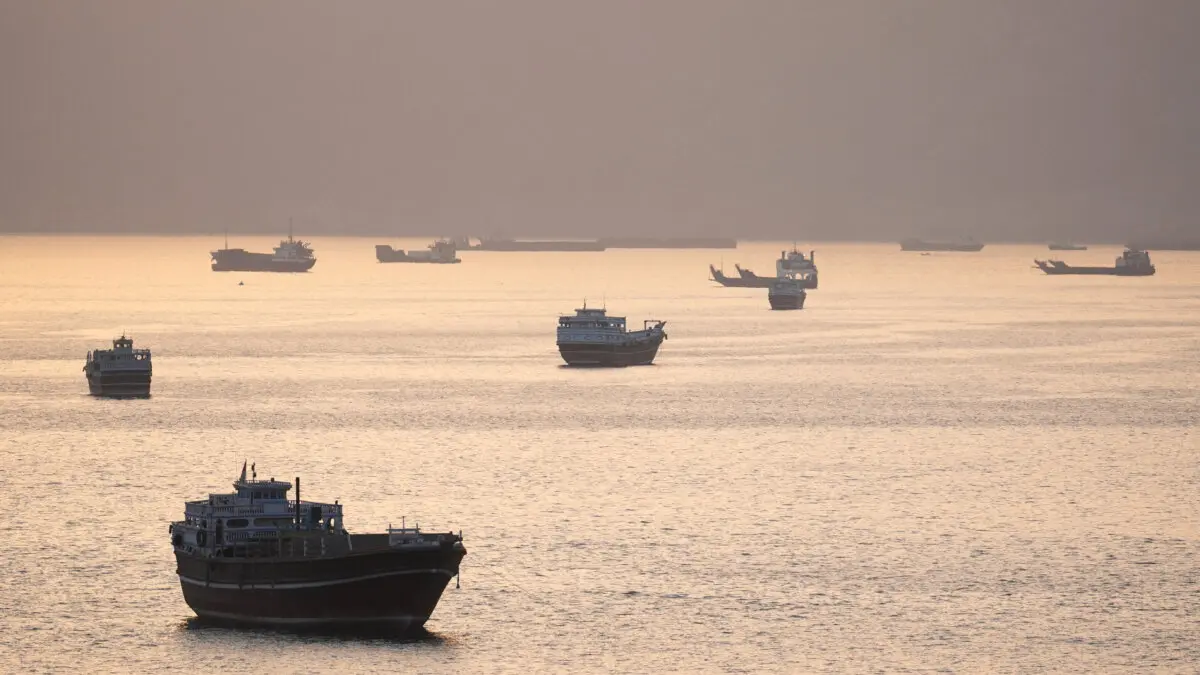
The conflicting accounts come as tensions increase in the Strait of Hormuz, a narrow passage between Iran and Oman that carries a significant portion of global oil shipments.
Iranian officials have warned that any foreign military presence in the strait without coordination would be met with force.
Major General Ali Abdollahi said in a May 4 statement carried by IRIB that Tehran would attack “any foreign armed force” attempting to approach or enter the strait, “especially, the aggressive U.S. army.”
He said Iran has repeatedly stated that the strait is under the control of its armed forces and that safe passage must be coordinated with Iranian authorities.
Separately, Iranian lawmaker Ebrahim Azizi said on May 4 that any U.S. involvement in what he described as a “new maritime regime” would violate a ceasefire.
“Any American interference in the new maritime regime of the Strait of Hormuz will be considered a violation of the ceasefire,” Azizi said, according to IRIB.
He described the U.S. plan as “delusional,” adding that “no one believes the blame game scenarios.”
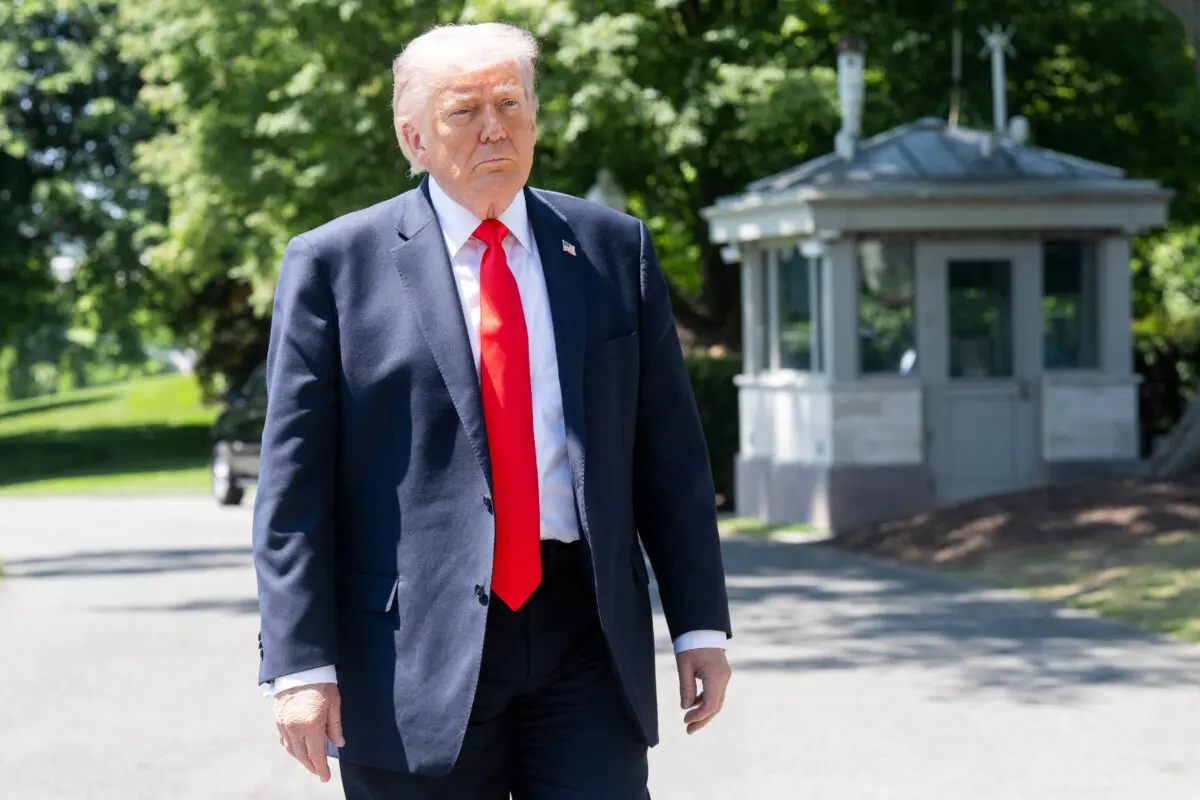
The developments follow an announcement by U.S. President Donald Trump outlining a U.S.-led effort to support stranded commercial vessels through the strait.
“This process, Project Freedom, will begin Monday morning, Middle East time,” Trump said in a May 3 Truth Social post. “If, in any way, this Humanitarian process is interfered with, that interference will, unfortunately, have to be dealt with forcefully.”
Trump said the initiative is intended to restore commercial shipping and provide humanitarian relief to crews stranded aboard vessels.
The operation includes “guided-missile destroyers, over 100 land and sea-based aircraft, multi-domain unmanned platforms, and 15,000 service members,” according to a May 4 statement by CENTCOM.