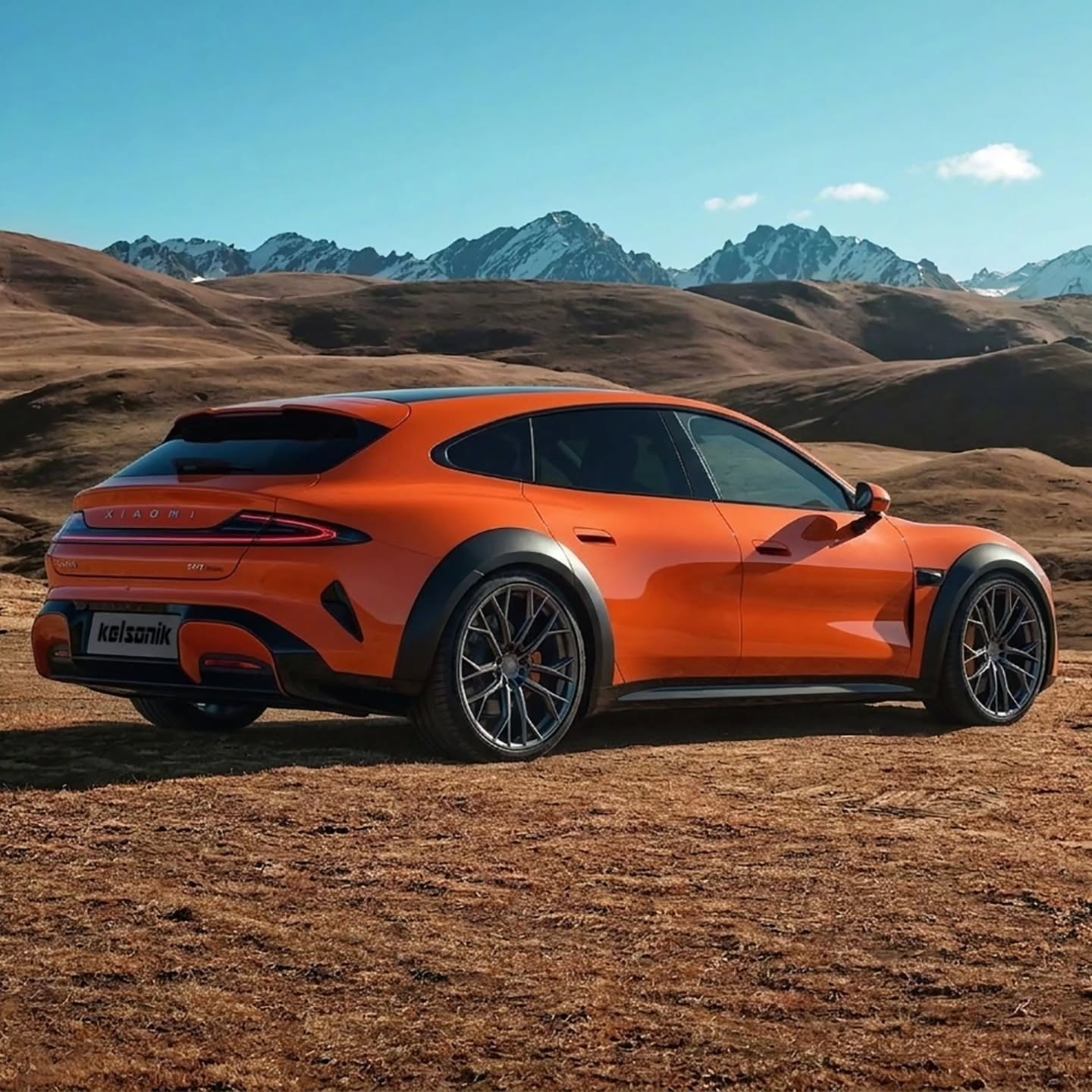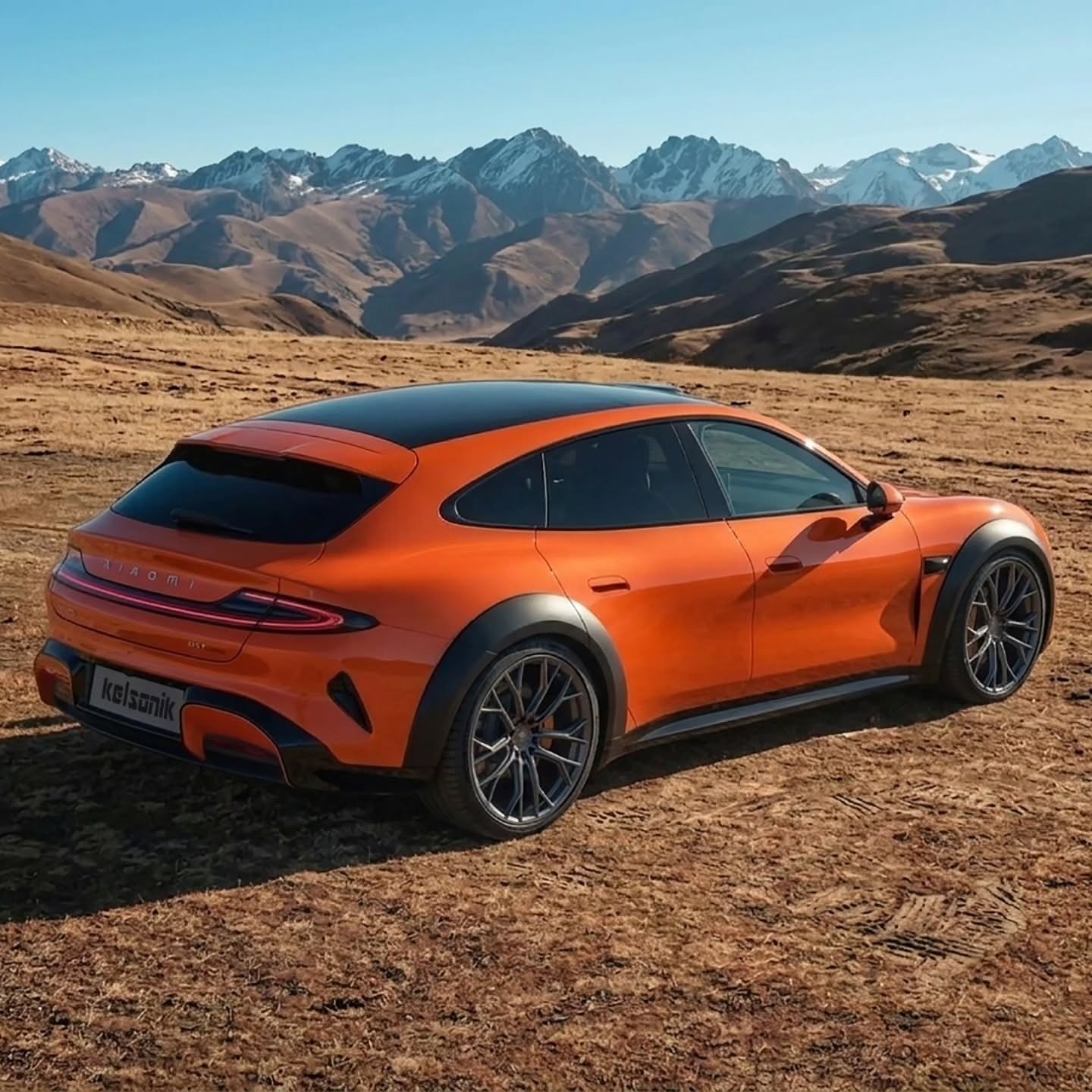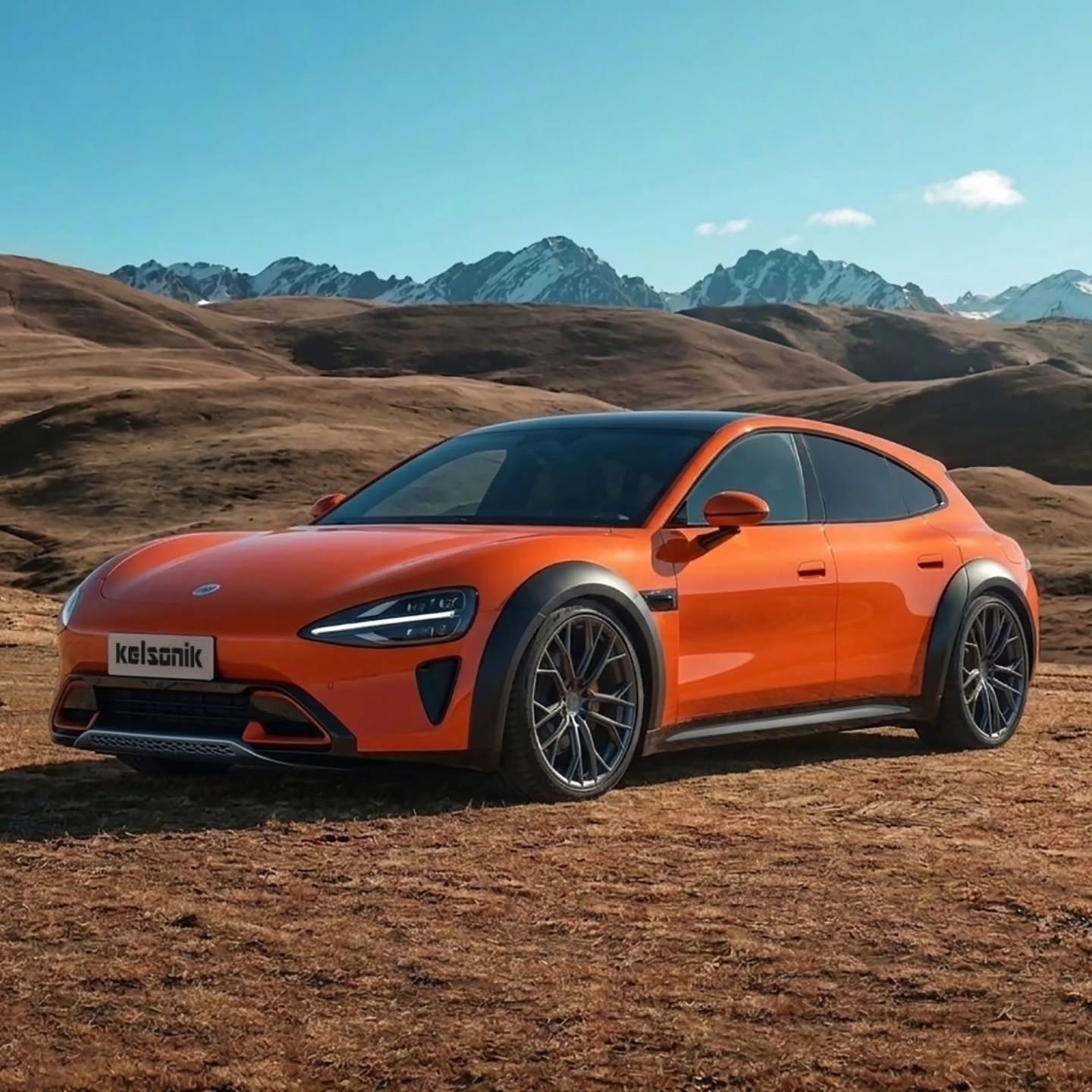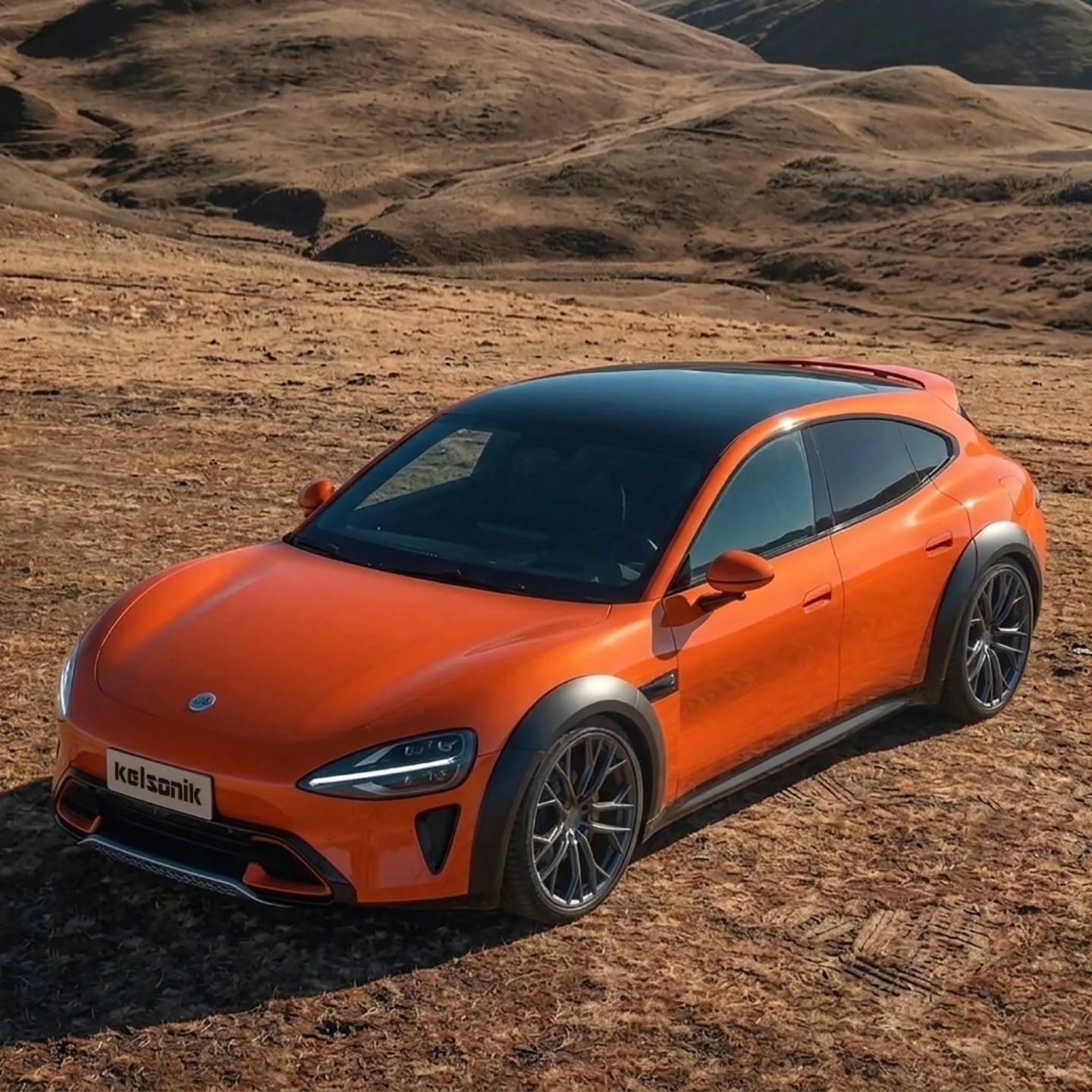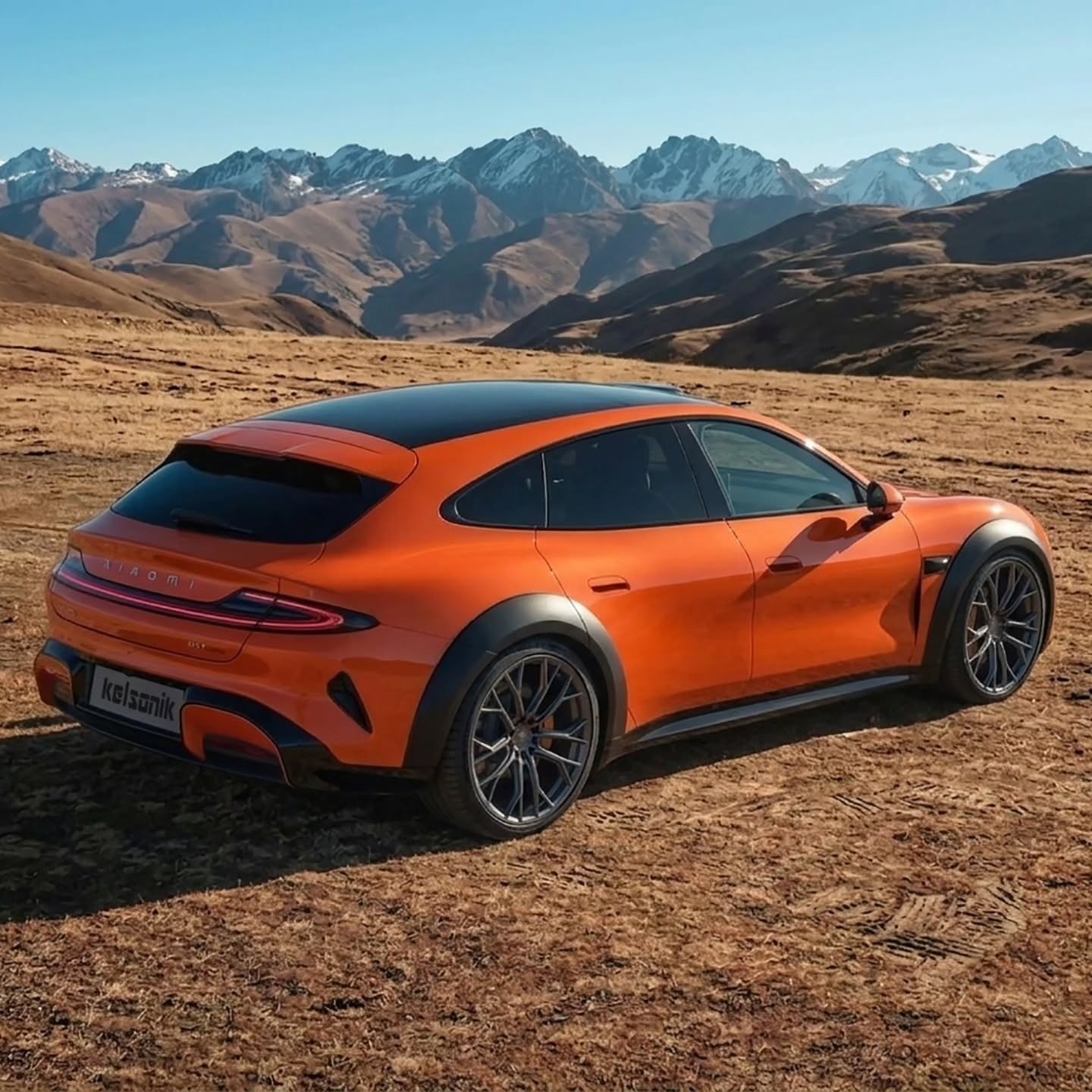
Xiaomi SU7 Wagon Rendering Explores a Longer Roofline for the Chinese Electric Fastback
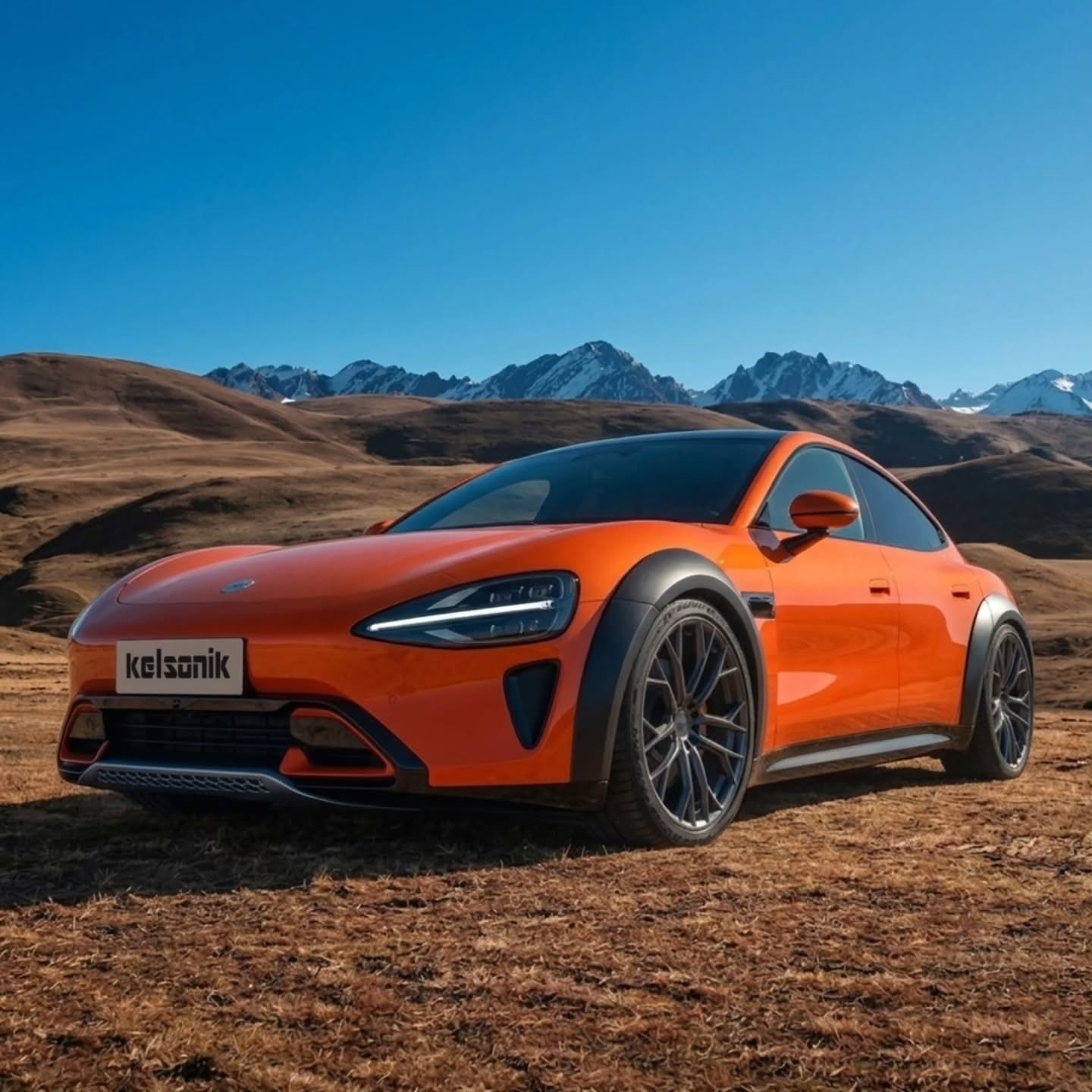
Xiaomi entered the electric vehicle market less than two years ago, yet discussion around body-style expansion has already started. A new digital proposal imagines the SU7 with a wagon-shaped rear section, created by Nikita Chuicko, known online as kelsonik. His latest rendering keeps most of the sedan unchanged and shifts attention to one area only, the rear half.
The standard Xiaomi SU7 first reached the local market in March 2024 as a large four-door fastback electric vehicle. Xiaomi Auto, the automotive branch behind the model, began operations in 2021 in Beijing, four years before, after Apple had already explored similar plans and later stepped away. Xiaomi itself has existed for 16 years and, by 2025, ranked as the third-largest smartphone company worldwide, behind Apple and Samsung.
The company also built a broad consumer electronics range, from televisions and flashlights to wearables, air purifiers, and unmanned aerial vehicles. This broad background helped Xiaomi reach the Fortune Global 500, where the brand stands as the youngest company included there.
For 2026, Xiaomi revised the SU7. Exterior updates stayed small. Chinese legislation required mechanical exterior semi-hidden handles, so the car received those changes. Rear tire width increased. Front brakes became larger. Xiaomi also added the V6s Plus motor, first introduced in the YU7 crossover sport utility vehicle. Range figures improved across the lineup as well.
Kelsonik chose this updated model as the base for a different interpretation. His rendering extends the roof and reshapes the rear into a shooting-brake profile. Only the back section changes, while the front and side surfaces remain familiar. Comment sections quickly linked the silhouette to the Porsche Taycan Cross Turismo.
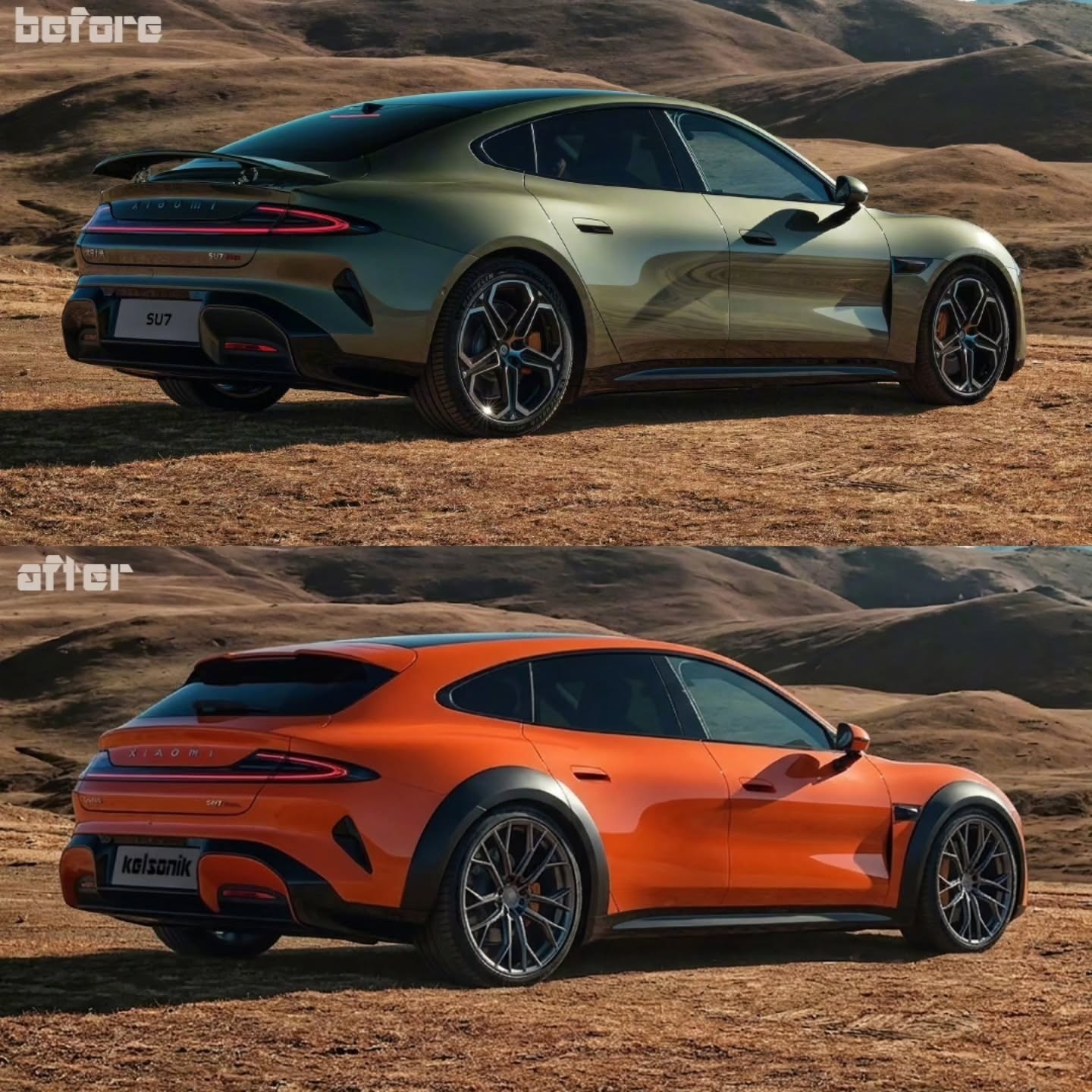
That comparison follows earlier reactions around the regular SU7, since many observers already compared Xiaomi’s electric sedan with premium German sport sedans. Sales in China, though, strongly favored the Xiaomi model.
Attention around the car reached outside China, too. Ford chief executive officer Jim Farley publicly showed personal interest in the SU7 and drives one himself instead of a Ford product or another American electric vehicle. Xiaomi is now preparing a broader move toward Europe.
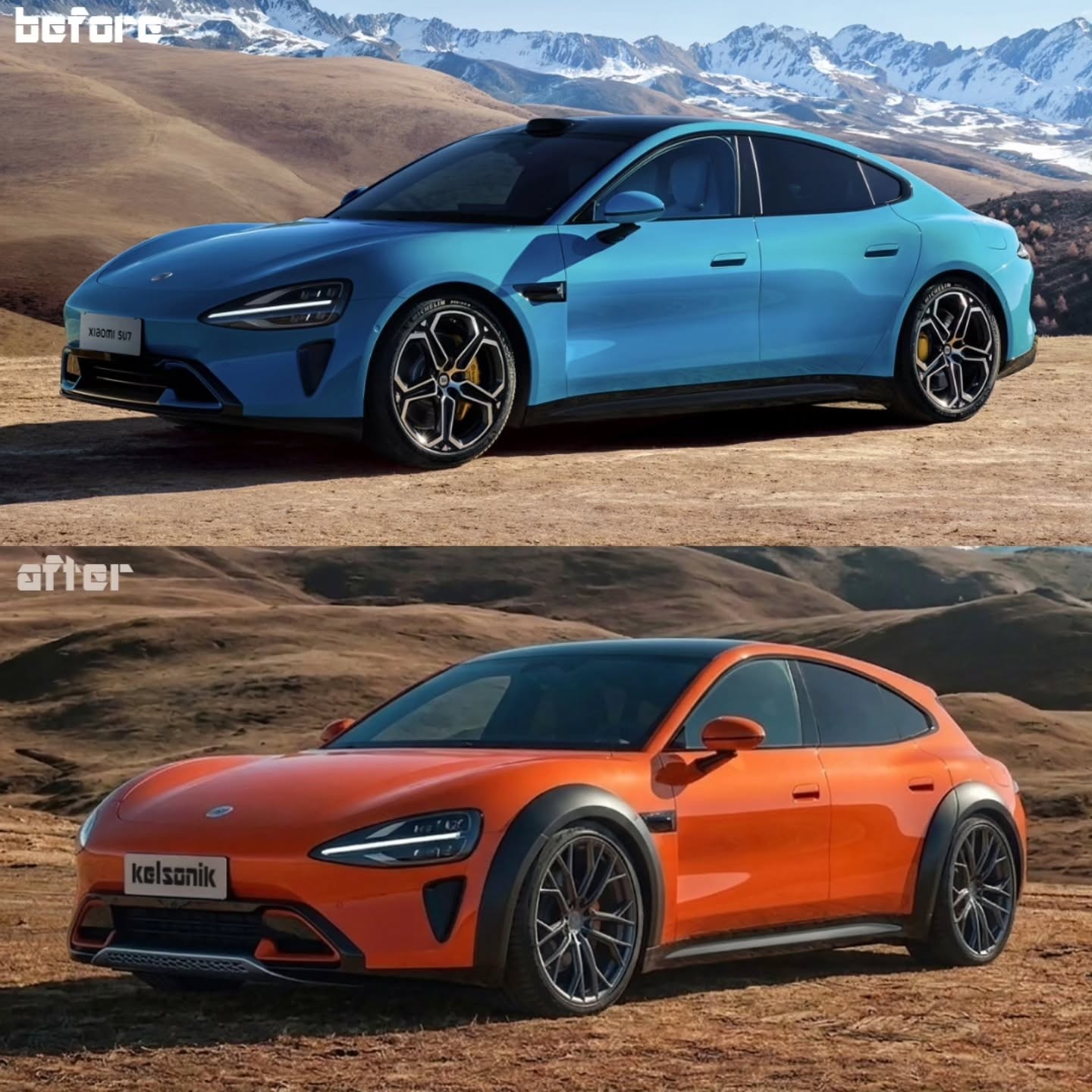
The first concrete step has already happened. Xiaomi opened a research and development center in Germany and staffed the site with former BMW and Mercedes-Benz engineers. Market entry across Europe is planned for 2027.
When Xiaomi reaches those markets, SU7 and YU7 will lead the effort. For now, the wagon version exists only as digital work, though the idea clearly aims at buyers looking for extra cargo space without moving away from the low-slung shape already linked to the SU7 name.
Xiaomi SU7 Cross Wagon Renderings