Porsche’s Bugatti-Rimac Exit Explained and What It Really Means for Bugatti, Rimac, and Porsche

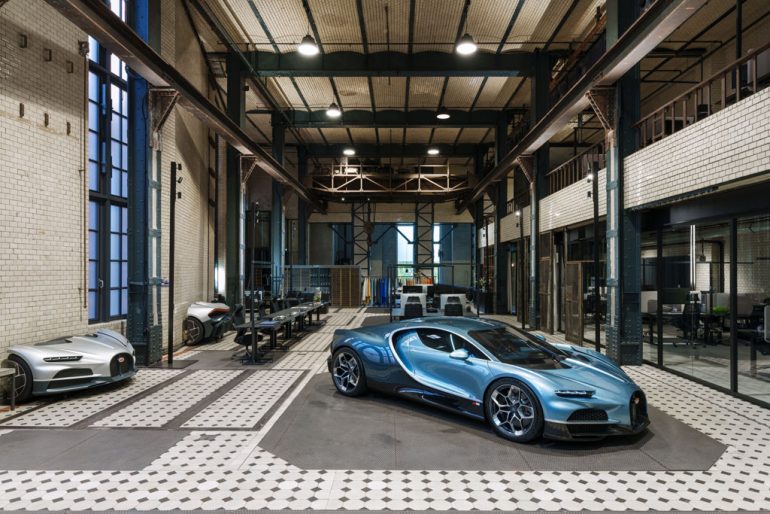
Porsche’s decision to sell its stakes in both Bugatti-Rimac and the broader Rimac Group sounds dramatic, but the simplest way to read it is this: Porsche is pulling back from side investments so it can concentrate harder on fixing and strengthening its own core business. The company is selling its 45 percent stake in the Bugatti-Rimac joint venture and its 20.6 percent stake in Rimac Group to a consortium led by New York-based HOF Capital, with BlueFive Capital and other institutional investors also involved. The transaction still needs regulatory approval, but the deal has been signed and is expected to close by the end of the year.
So what exactly does that mean in practical terms? First, it means Porsche no longer sees ownership in Bugatti and Rimac as essential to its near-term strategy. This is less about either company failing and more about Porsche deciding that right now it needs to be more selective about where it puts money, time, and management attention. Porsche has been under pressure after a sharp drop in profitability, and CEO Michael Leiters has made it clear the brand wants to refocus on its main operations rather than keep capital tied up in holdings outside the heart of the Porsche business.
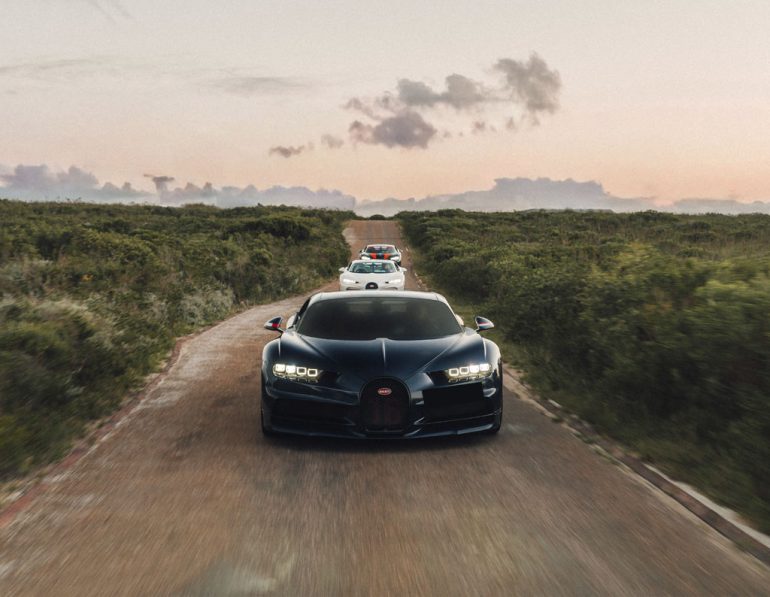
For Bugatti, this marks the end of a very long Volkswagen Group chapter. Volkswagen originally acquired Bugatti in 1998, and that ownership era shaped the brand into the ultra-exclusive engineering showcase we know today. With Porsche stepping away, the corporate link back to VW largely fades out, which gives Bugatti-Rimac a more independent future under Mate Rimac’s broader orbit and the incoming investor group. In plain English, Bugatti is not disappearing, and this is not a shutdown story. It is more of a baton pass, with fresh financial backing stepping in while the company continues building its next generation of hypercars.
For Rimac, the move could actually mean more freedom and potentially faster decision-making. Mate Rimac has already said the new ownership structure should allow the company to execute more quickly on its long-term vision, and that is probably the biggest clue here. Porsche was an important strategic partner in helping establish Bugatti-Rimac, but traditional automaker ownership can also come with layers of process and competing priorities. A consortium-led structure may give Rimac and Bugatti-Rimac more room to move aggressively, especially in the high-end performance and advanced EV technology space where Rimac has built its reputation. That does not guarantee better results, but it does suggest a more entrepreneurial setup going forward.
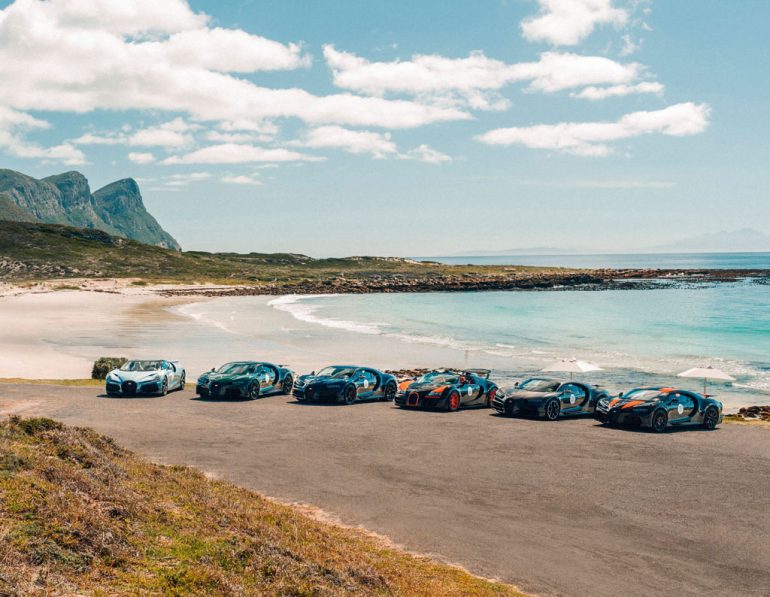
The other big takeaway is what this says about Porsche itself. When a company like Porsche starts selling stakes, it usually signals discipline, not panic. The brand is clearly trying to simplify the story, protect cash, and put more emphasis on the products and markets that matter most to its own recovery. That could mean more attention on Porsche-branded sports cars, SUVs, hybrids, and EV plans rather than nurturing prestige investments that may be exciting but are not central to fixing margins and restoring momentum. In that sense, this sale is really a strategy statement disguised as a corporate transaction.
In the end, this deal does not look like bad news for Bugatti or Rimac as much as it looks like Porsche choosing focus over reach. Bugatti should continue under Bugatti-Rimac, Rimac should keep pushing its technology and halo-car ambitions, and Porsche gets to narrow its attention to the business problems directly in front of it. That may not be the most romantic outcome for enthusiasts who liked the Porsche-Rimac connection on paper, but from a business standpoint, the meaning is pretty clear: Porsche is trimming the edges so it can steady the center.