
Charles Foust on Strategy, Leadership, and Student Outcomes
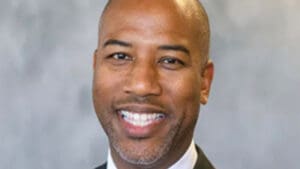
Charles Foust is an Executive Leadership Coach and former superintendent with more than 20 years of experience in public education. He has built a career leading large school systems and delivering measurable academic results.
His work has taken him across multiple states, where he has guided districts through both growth and turnaround efforts.
Foust began his career in the classroom before moving into school leadership. As a principal, he led both high-performing and struggling schools. At Fondren Middle School in Houston ISD, he helped transform the campus into a recognised programme, earning state distinctions and securing International Baccalaureate authorisation within three years.
He later moved into district leadership roles, including positions in Houston ISD and Union County Public Schools. These roles gave him experience managing large teams, improving school performance, and coaching leaders across multiple campuses.
Foust went on to serve as Superintendent in both Kansas City Kansas Public Schools and New Hanover County Schools in North Carolina. In these roles, he led systems serving more than 24,000 students and managed budgets of up to $600 million. His leadership helped drive double-digit academic gains and improve district-wide outcomes.
Today, Foust works as an Executive Leadership Coach. He focuses on developing leaders and strengthening systems. His approach is centred on clarity, accountability, and consistent execution, positioning him as a respected voice in education leadership.
An Interview with Charles Foust: Leading Change in Education
Q: Can you take us back to the beginning of your career?
I started in the classroom. That experience shaped everything for me. It gave me a clear view of what students and teachers actually face every day. From there, I moved into school leadership, and I quickly realized that systems matter just as much as individual effort.
Q: What was your first major leadership breakthrough?
One of the key moments was at Fondren Middle School in Houston ISD. It was a turnaround situation. We focused on structure, expectations, and consistency. Within the first year, we saw strong results and earned state distinctions. Over time, we became an authorized International Baccalaureate school.
Q: You have led multiple large districts. What stands out from that experience?
Clarity stands out. When I led Kansas City Kansas Public Schools, we focused on a small number of high-impact priorities. Several schools achieved double-digit growth in one year. That helped move the district away from being one of the lowest performing in the state.
Q: What did you accomplish in New Hanover County Schools?
We focused on alignment. We secured funding to raise teacher salaries, which made the district more competitive. We also won a multi-million-dollar literacy grant. That allowed us to place literacy facilitators in every primary school. Academic proficiency increased from 50 percent to over 61 percent, and most schools met or exceeded growth targets.
Q: How do you define leadership in education?
Leadership is about improving individual lives while transforming systems. You cannot separate the two. If the system is weak, outcomes will always be limited.
Q: What challenges do education leaders face today?
There is a lot of pressure and not always enough support. Leaders are expected to deliver results quickly. At the same time, they are managing people, resources, and expectations. Without the right structure, it becomes difficult to sustain progress.
Q: What is your approach to developing leaders?
I focus on coaching and consistency. I meet regularly with leaders and help them think through decisions. It is not about giving answers. It is about building their ability to lead effectively over time.
Q: What lessons have stayed with you throughout your career?
Focus on the Focus. Do not try to fix everything at once. When leaders stay disciplined and aligned, results follow.
Q: What are you focused on now?
I am working as an Executive Leadership Coach. I support schools, district leaders and boards of education in improving performance and goverance. I bring real experience into those conversations, which helps leaders connect strategy with execution.
Q: What advice would you give to aspiring leaders?
Stay committed to learning. Leadership is not a one-time achievement. It is something you build every day through experience, reflection, and action.
Read more:
Charles Foust on Strategy, Leadership, and Student Outcomes