
Nissan’s Road Back to Profit Could Run Through Rugged SUVs Like the Terrano and a Future Xterra

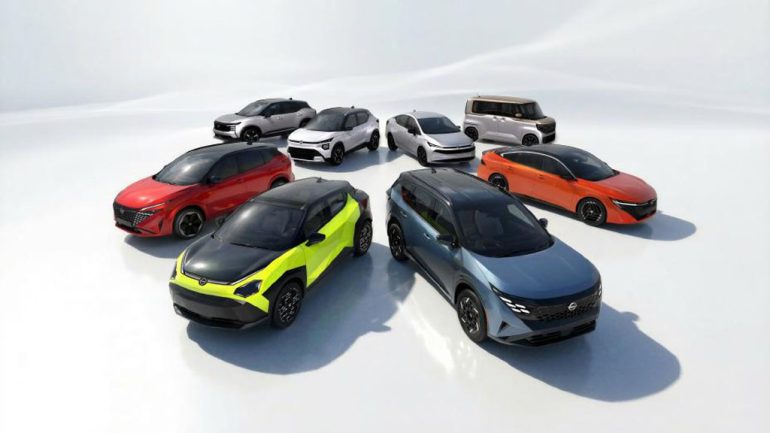
Nissan is still staring at a very large loss, but the latest update suggests the company’s turnaround effort may finally be moving in a better direction. The automaker now expects a fiscal-year net loss of ¥550 billion, or about $3.45 billion, which is still painful but notably better than its earlier forecast. That improvement does not mean Nissan is out of the woods, yet it does show that the cost-cutting push under CEO Ivan Espinosa is starting to have some effect. For a brand that has spent the last few years looking like it was constantly on the defensive, even a smaller loss feels like an important first step.
The encouraging part for Nissan is that this improvement did not come from just one place. Reports point to cost reductions, exchange-rate help from a weak yen, and a reversal tied to revised U.S. emissions rules all playing a role in narrowing the damage. Even so, nobody should mistake this for a complete recovery. Some of those benefits are clearly temporary, which means the real test will be whether Nissan can turn restructuring into a healthier product mix and more consistent showroom momentum. Losing less money is progress, but it is not the same thing as having a compelling long-term answer.
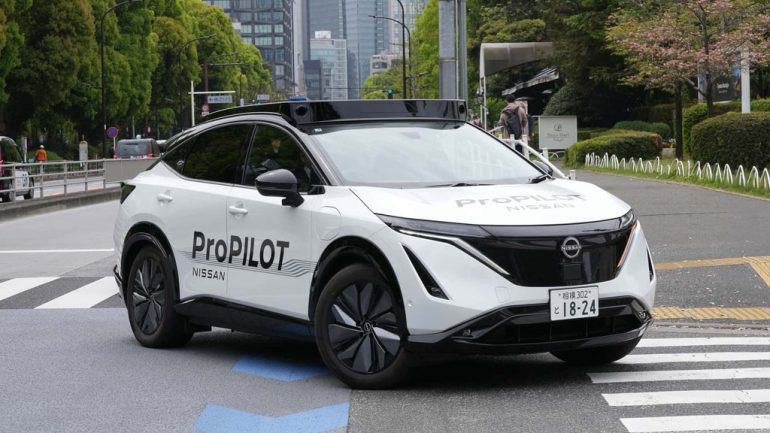
That is where Nissan’s future vehicles start to matter a lot more. The company does not just need cleaner spreadsheets. It needs products people get excited about again. One of the more interesting signs of that came out of the Beijing auto show, where Nissan revealed the Terrano PHEV Concept, a boxy, rugged-looking plug-in hybrid SUV that immediately sparked attention for all the right reasons. It has the upright stance, short overhangs, skid plates, tow hooks, roof gear, and overall no-nonsense design that make it look like a proper adventure vehicle instead of just another soft crossover wearing hiking boots.
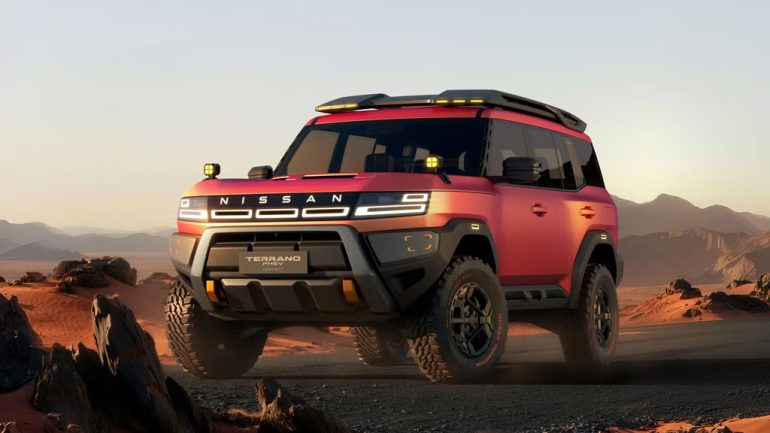
What makes the Terrano especially interesting is not only the concept itself, but what it might be hinting at. Nissan has already confirmed that a new Xterra is on the way for the U.S., expected to arrive in late 2028, and it is hard not to look at the Terrano as a possible preview of that tougher, more lifestyle-focused direction. The Terrano is officially China-focused for now, but Nissan has made it clear that China is also serving as an innovation hub for products that could influence global markets. In that light, the concept feels less like a regional design exercise and more like a clue about how Nissan plans to make its SUV lineup more desirable again.
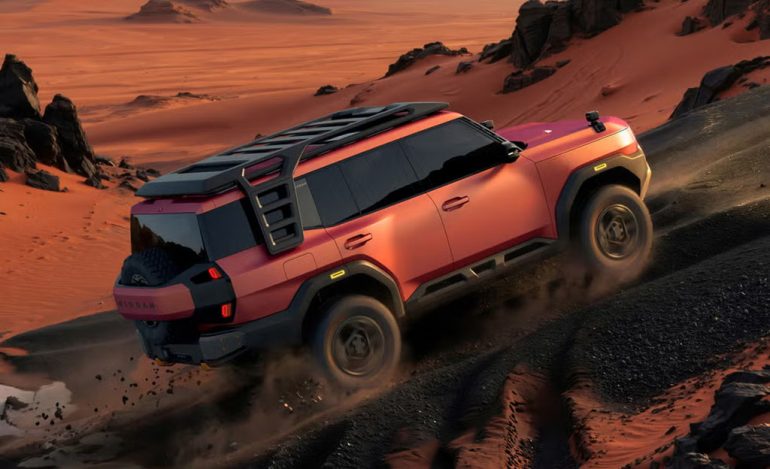
If that ends up being the case, it would fit neatly into Nissan’s broader plan to claw its way back to profitability. Automakers do not restructure just to survive on paper. They do it so they can free up resources to build vehicles that reconnect with buyers and restore pricing power. A rugged new Xterra with some of the Terrano’s design confidence could do exactly that, especially at a time when buyers still respond strongly to authentic-looking SUVs with real personality. Nissan has spent too much time blending into the background. Something like this could help it stand out again.
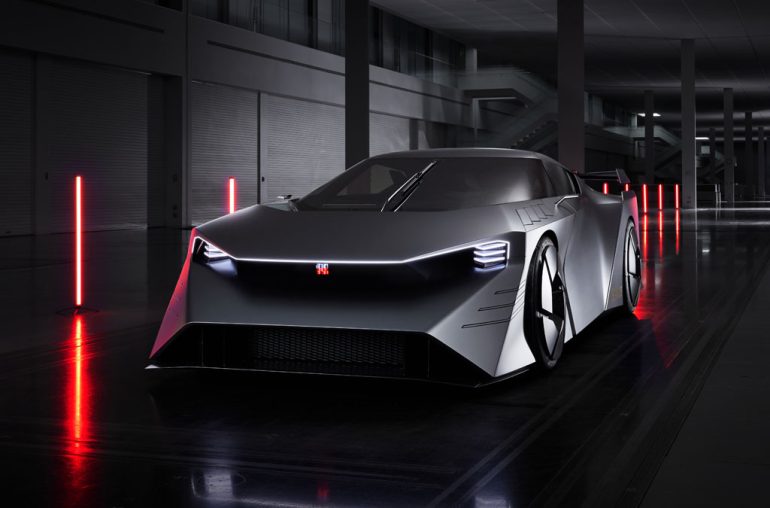
In many ways, the Terrano concept may be the more exciting part of Nissan’s current story, even if the financial headlines are more urgent. The smaller projected loss is a sign that the company’s emergency measures are buying time. But products like the Terrano, and the possibility that it previews a future Xterra, are what could make that time actually matter. Nissan does not need just a rebound. It needs a reason for people to care again, and a handsome, capable-looking SUV with real presence might be exactly the sort of move that helps get it there.