
Monsanto Weedkiller Case Could Upend Billions in Compensation
By Troy Myers and Jacob Burg
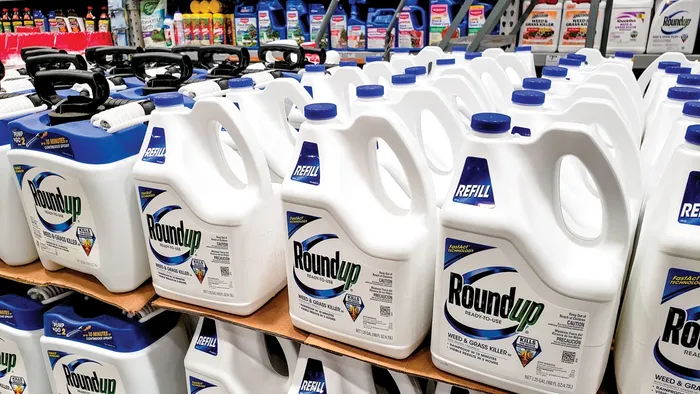
Like countless homeowners, John Durnell of Missouri used a popular herbicide to keep his home and community free from unwanted weeds.
He used the chemical from the 1990s until 2018, when he developed non-Hodgkin lymphoma, a diagnosis he blames on an ingredient known as glyphosate in his Roundup weedkiller.
Thousands of others across the country, including Durnell, have sued Roundup’s manufacturer, Monsanto, claiming the company failed to warn consumers that exposure to its glyphosate-based herbicides could cause them to develop cancer.
Durnell secured a $1.25 million verdict in Missouri state court, but Monsanto appealed. Now his claim is being tested again in the highest court in the nation.
The Supreme Court will hear oral arguments in Monsanto Co. v. Durnell on April 27.
The question before the high court isn’t about Roundup or glyphosate’s safety; rather, it concerns preemption, or whether federal law supersedes state law when the two are in conflict.
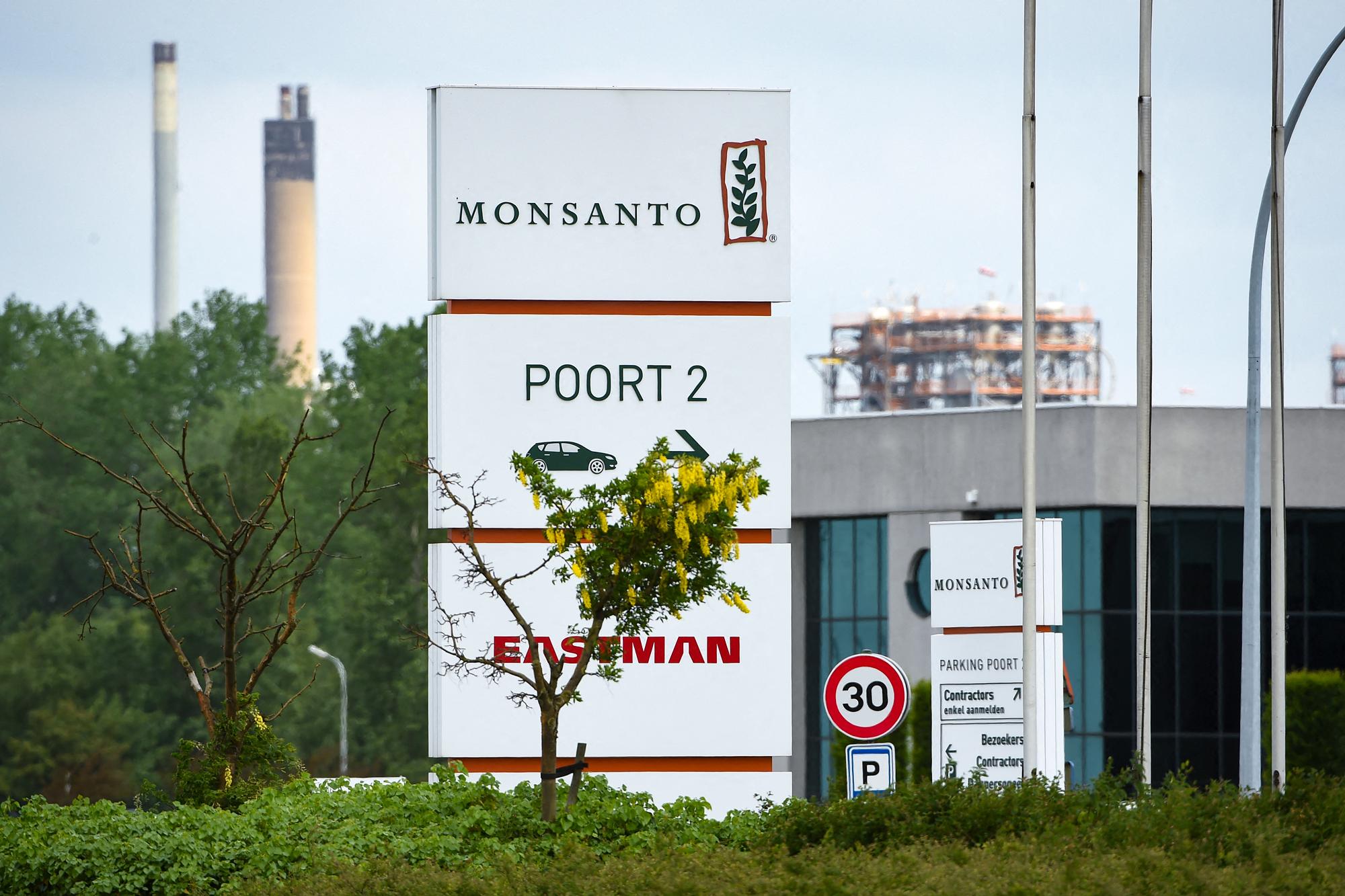
Monsanto, which Bayer acquired in 2018, told the justices that the verdict was based on a faulty application of state law and conflicted with federal regulation.
The Supreme Court is focused on that question, and its ruling could impact thousands and the agricultural industry.
“If the Supreme Court rules for Bayer, it’s hard not to see it as a judicial shield for corporate America. Compliance with federal labeling would function less like a floor for safety and more like a litigation force field,” personal injury attorney Angel Reyes told The Epoch Times.
Glyphosate
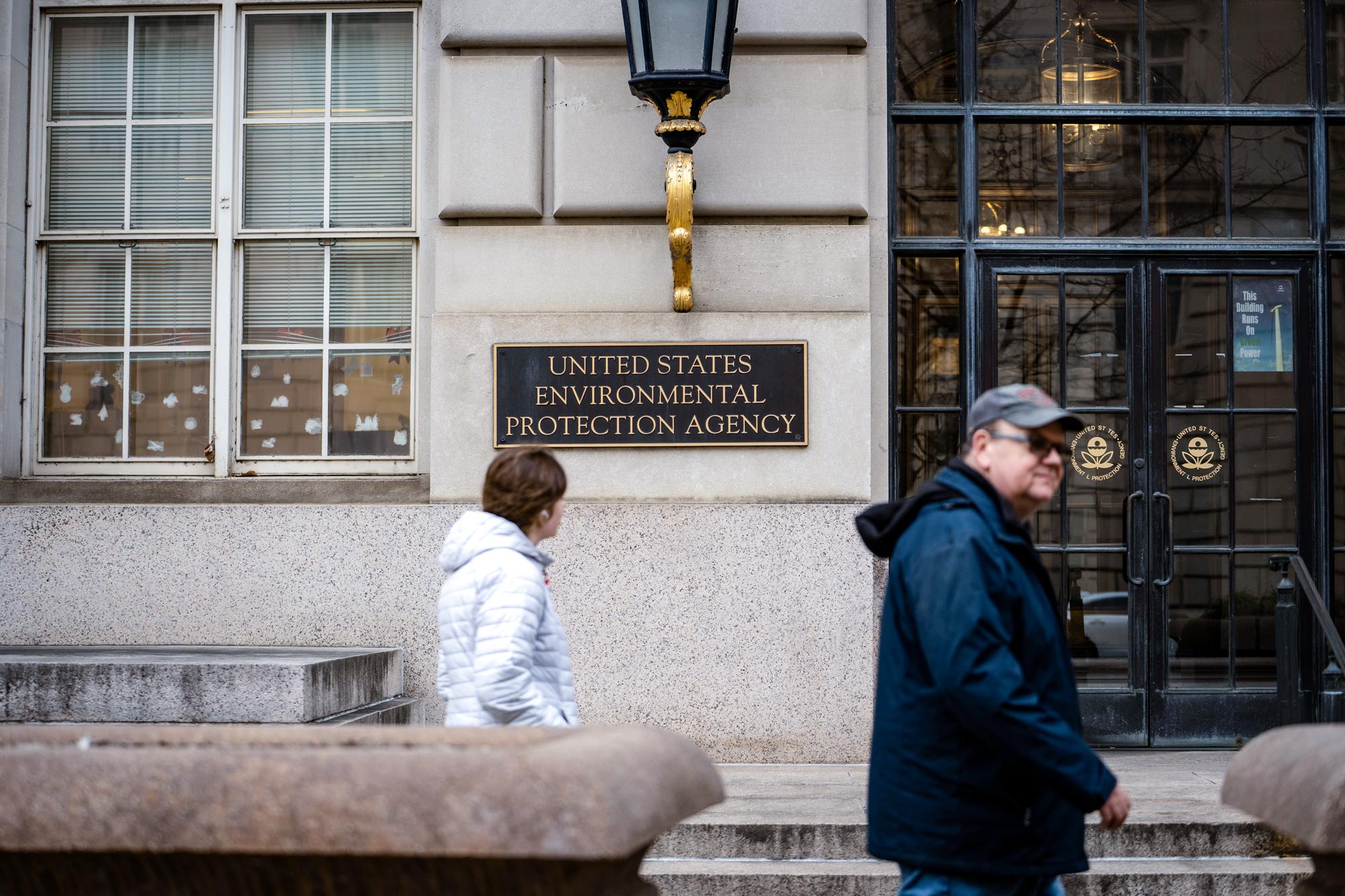
Monsanto’s primary argument against Durnell relied on the Environmental Protection Agency’s (EPA’s) decision to register glyphosate in 1974, allowing its use in the United States. It’s a consistent theme brought up in similar lawsuits against the company.
The agency has historically maintained that Roundup and glyphosate have sufficient warning labels and do not cause cancer.
Since glyphosate’s approval, it has become among the most widely used chemicals in agricultural production. Its use skyrocketed in the 1990s, when Monsanto introduced genetically modified “Roundup Ready” crops, allowing farmers to kill weeds without killing the crop itself.
The EPA registered glyphosate as a pesticide pursuant to its authority under a law known as the Federal Insecticide, Fungicide, and Rodenticide Act. Monsanto argued that when Congress passed that law in 1947, it gave the federal government, not states, certain power to regulate products like Roundup.
This argument is based on a legal doctrine known as preemption, which says that federal law takes precedence over state law. It’s ultimately rooted in the Supremacy Clause of the Constitution, which says federal laws reign “supreme.”
Some of the arguments on April 27 could focus on the 1947 law’s phrasing, which allows states to regulate pesticides but contains a caveat. States “shall not impose or continue in effect any requirements for labeling or packaging in addition to or different from those required under” the law, it says.
Durnell’s verdict was based on a “failure-to-warn” claim, or the idea that Monsanto violated a Missouri law that required companies to warn about product dangers.
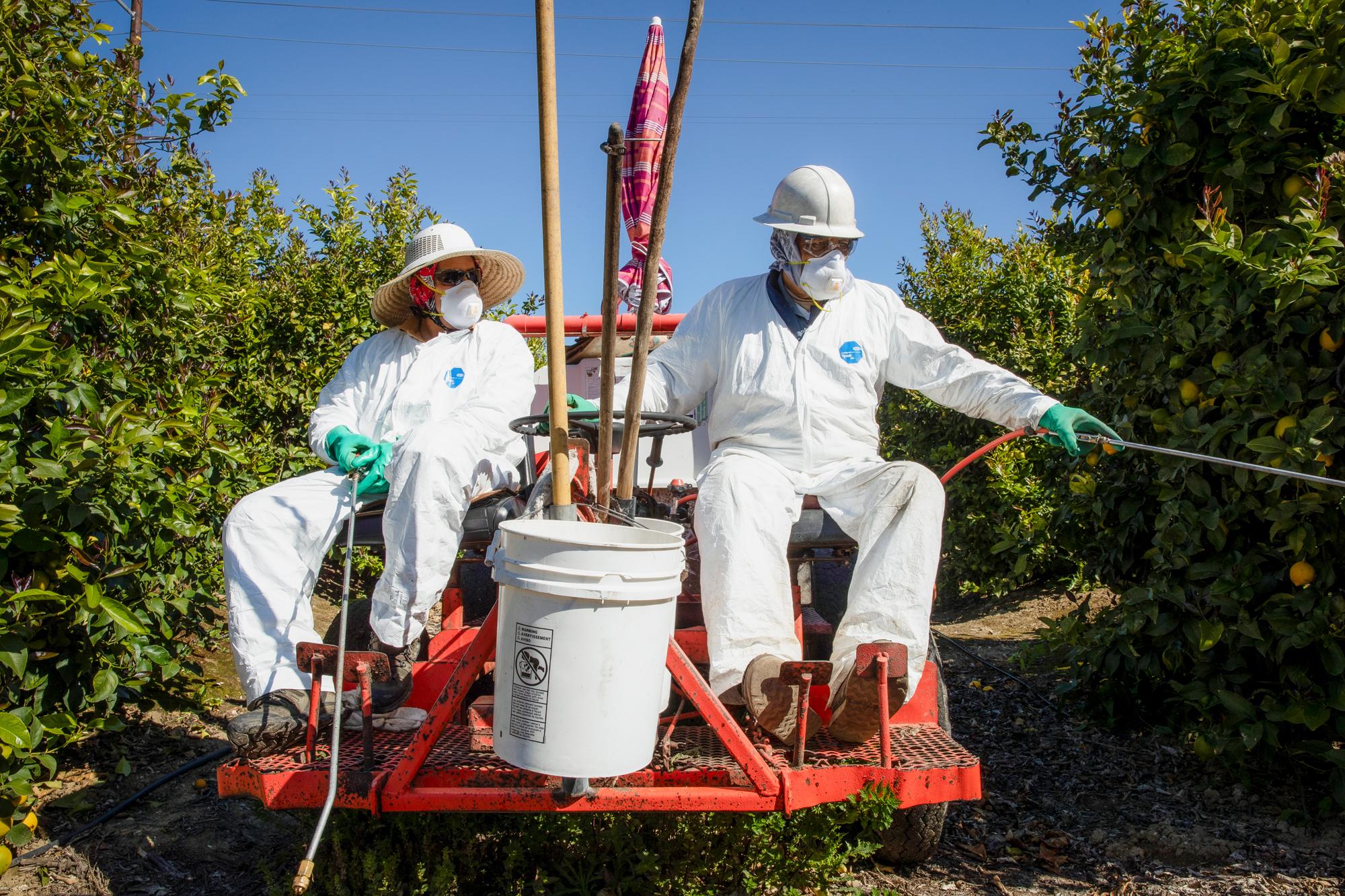
Because the federal government already approved glyphosate without those additional warnings, Monsanto argued that Missouri’s law couldn’t go further in regulating how it warned consumers.
“The verdict in Durnell’s favor … necessarily required the jury to find that state law required Monsanto to include in Roundup’s label a warning that EPA has deemed unsupported and unnecessary,” lawyers for Monsanto told the court.
If the Supreme Court were to rule in Monsanto’s favor, it could limit plaintiffs’ ability to hold Monsanto or other manufacturers liable.
Despite the EPA’s approval, many others have alleged that glyphosate increases cancer risk.
The World Health Organization’s International Agency for Research on Cancer classified glyphosate in a 2015 review as “probably carcinogenic to humans.” Researchers said this finding was based on “limited” evidence of cancer in humans and “sufficient” evidence of cancer in experiments with animals.
Austria, Bermuda, Brazil, Colombia, France, Germany, Italy, Sri Lanka, the United Arab Emirates, and more have taken steps to ban or restrict the sale of Roundup and glyphosate-based herbicides.
The Carlson Law Firm, which works on glyphosate cases, found at least 150 cities and counties in the United States with such bans or restrictions.
“Missouri has a right to protect its citizens from the detrimental health effects of dangerous pesticides,” Durnell’s attorneys said in a brief to the court.
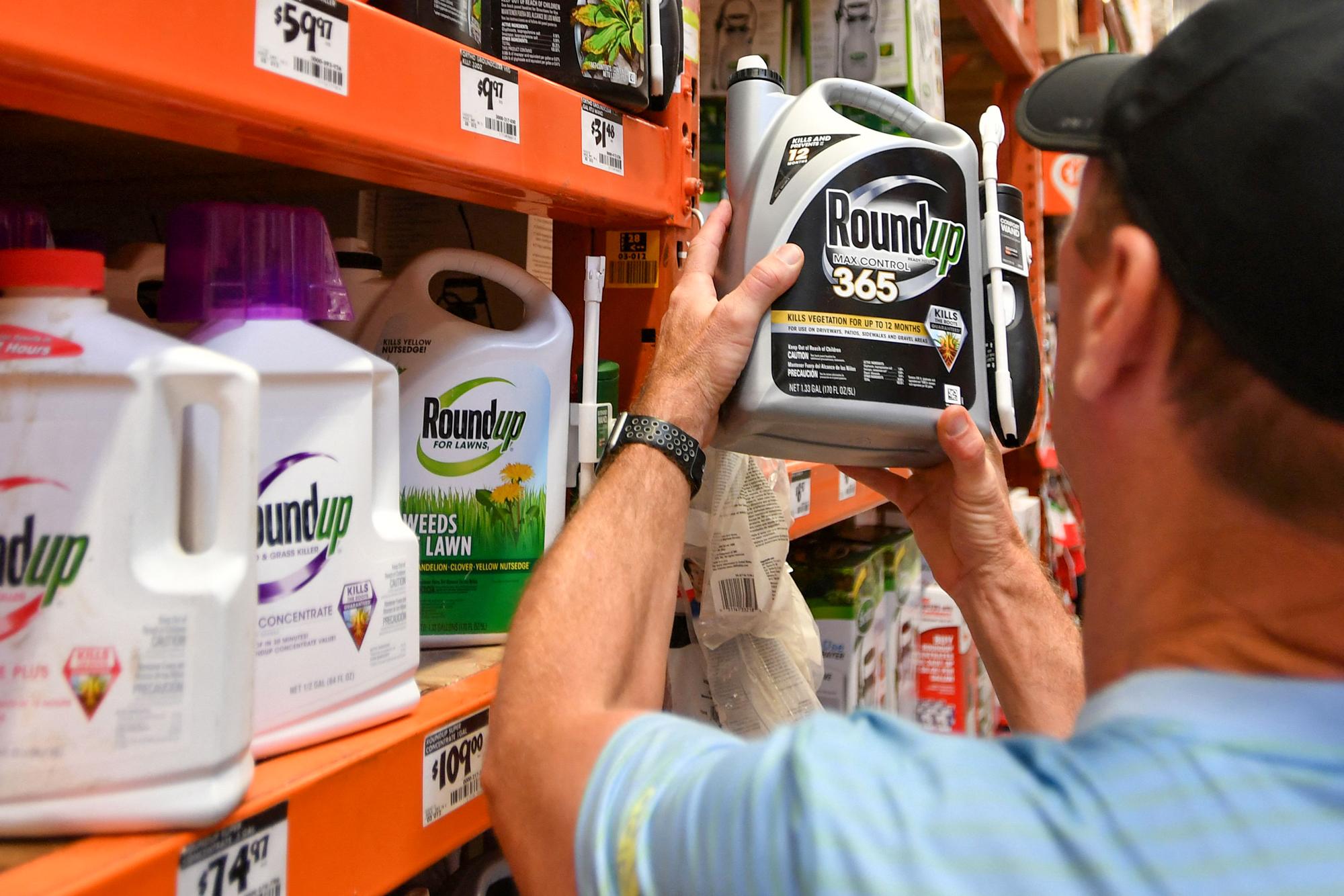
His attorneys also argued that the verdict itself did not require new labeling or packaging requirements and therefore didn’t violate the pesticides law. It said instead that the verdict merely held Monsanto liable for not issuing a “warning.”
Such a warning, they said, could come in the form of a television advertisement rather than a label.
Other Cases
Bayer said earlier this year that it welcomed the Supreme Court’s review.
“It is time for the U.S. legal system to establish that companies should not be punished under state laws for complying with federal warning label requirements,” Bayer said on Jan. 16.
Durnell’s story is similar to thousands of other plaintiffs also seeking to hold Monsanto liable.
While many are pending, there are numerous examples where juries have sided with and awarded individuals who alleged harm from Roundup.
Dewayne “Lee” Johnson, for example, began working as a groundskeeper in the summer of 2013 when an accident with Monsanto’s glyphosate-based Ranger Pro weed killer left him drenched in the chemical from head to toe.
In 2014, he was diagnosed with non-Hodgkin lymphoma.
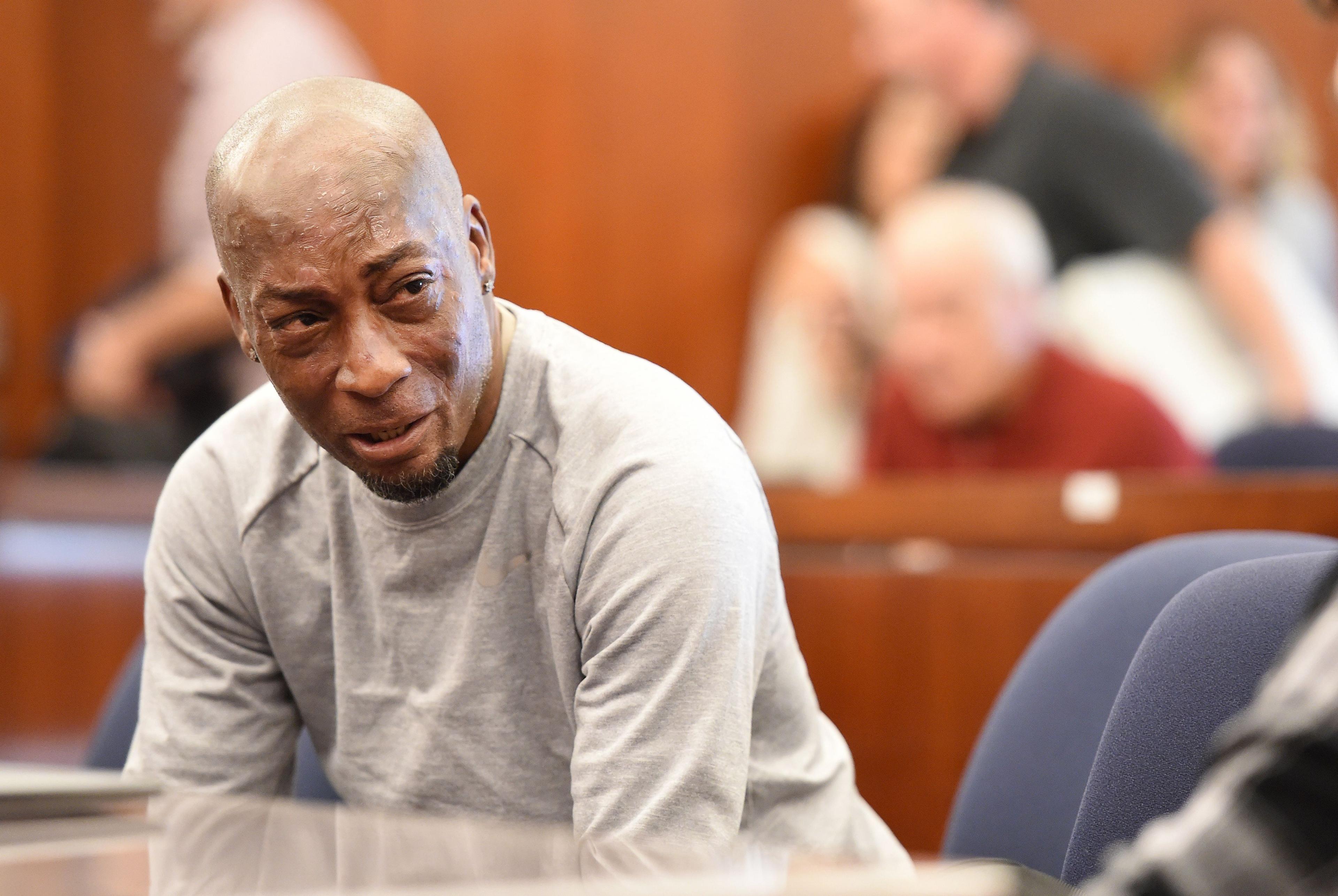
Johnson sued Monsanto, accusing the company of failing to warn users of its glyphosate-based herbicides.
The company denied Johnson’s claims and cited preemption but a jury awarded him $289 million. That figure was ultimately reduced to $20.5 million in damages after multiple requests for a new trial and appeals.
A jury similarly awarded Alberta and Alva Pilliod tens of millions in compensatory damages and $1 billion in punitive damages in 2017. They were diagnosed with non-Hodgkin lymphoma after decades of Roundup use.
After motions for a new trial by Monsanto, an agreement was eventually reached to award Alberta more than $56 million and Alva more than $30 million.
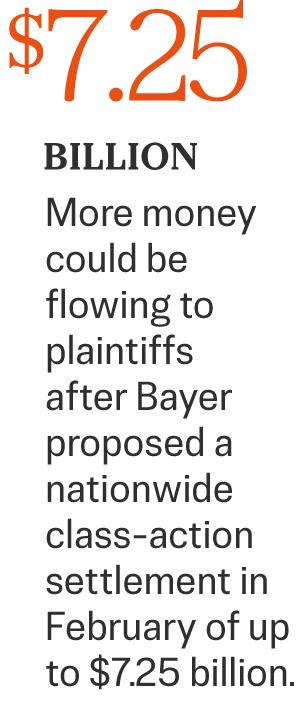
More money could be flowing to plaintiffs like Johnson after Bayer proposed a nationwide class-action settlement in February of up to $7.25 billion. The settlement would resolve all current and future claims that allege exposure to Roundup caused non-Hodgkin lymphoma.
Potential Decision
It’s unclear how a Supreme Court ruling in Durnell’s case could impact the $7.25 billion proposal, although Bayer said the two would not have an effect on each other.
“The proposed class, combined with Supreme Court review in Durnell, are independently necessary and mutually reinforcing steps in the Company’s multipronged strategy to significantly contain the Roundup litigation,” Bayer said.
Nonetheless, the Supreme Court could impact the more than 100,000 people across the country also seeking to hold Monsanto liable for its alleged failure to warn.
Reyes predicted justices would likely side with Bayer, and that “would effectively slam the brakes on thousands of state court claims.”
“Injured consumers may find that the courthouse doors are open in theory but locked in practice,” he said.
The Trump administration has defended Monsanto and asked to participate in oral arguments on April 27, and the Justice Department said that Missouri had labeling requirements that differed from those under the federal pesticide law.
When the EPA registers a chemical such as glyphosate, it has the “final word on precautionary warnings” and any “state-law claims second-guess those judgments,” lawyers for the Trump administration said.
Furthermore, allowing state-law claims such as Durnell’s to stand would “gut” the uniformity in the law, the government said.
“All 50 States could pick their own warning regimes,” the brief filed in March said. “Hawaii might highlight risks to pristine beaches. Oklahoma might warn of harms to horses. Alaska might urge against applications near glaciers. And Maryland might caution against woodland applications that could harm its beloved Baltimore oriole.”
A ruling disrupting the use of glyphosate could raise other concerns for the administration.
President Donald Trump said in a February executive order that the chemical was critical to the nation’s food supply and therefore national defense. He also directed his administration to ensure there was an adequate supply.
The order would also give immunity to manufacturers if Congress passed it into law.