Mikey Rogers: 500px Photographer Spotlight
Mikey Rogers is a creative who operates at the crossroads of high-end film and television post-production and traditional photography. Known in the entertainment industry for his visual effects work on films like the upcoming stop-motion epic Wildwood (from LAIKA, who brought us Coraline and Kubo and the Two Strings), The Lego Movie 2, and Jumanji: The Next Level, to name a few. His personal photography, captured under the moniker “Foreground Element,” features a cinematic approach to landscapes, architecture, travel photography, and slice-of-life moments. We spoke with Mikey about his creative processes and perspective from digital compositing to the analog frame in photography, and how his professional background shapes his visual style.
Mikey, welcome! A significant portion of your photography is shot on film, which stands in contrast to your career in VFX, where you shape digital scenes and elements. How do these two seemingly opposite worlds, the technical precision of digital VFX and the hands-on nature of analog film, influence and enhance your overall creative approach?
Wow, thank you so much! What a pinch-me moment to be amongst all the other creative photographers featured on the platform. Truly an honor.
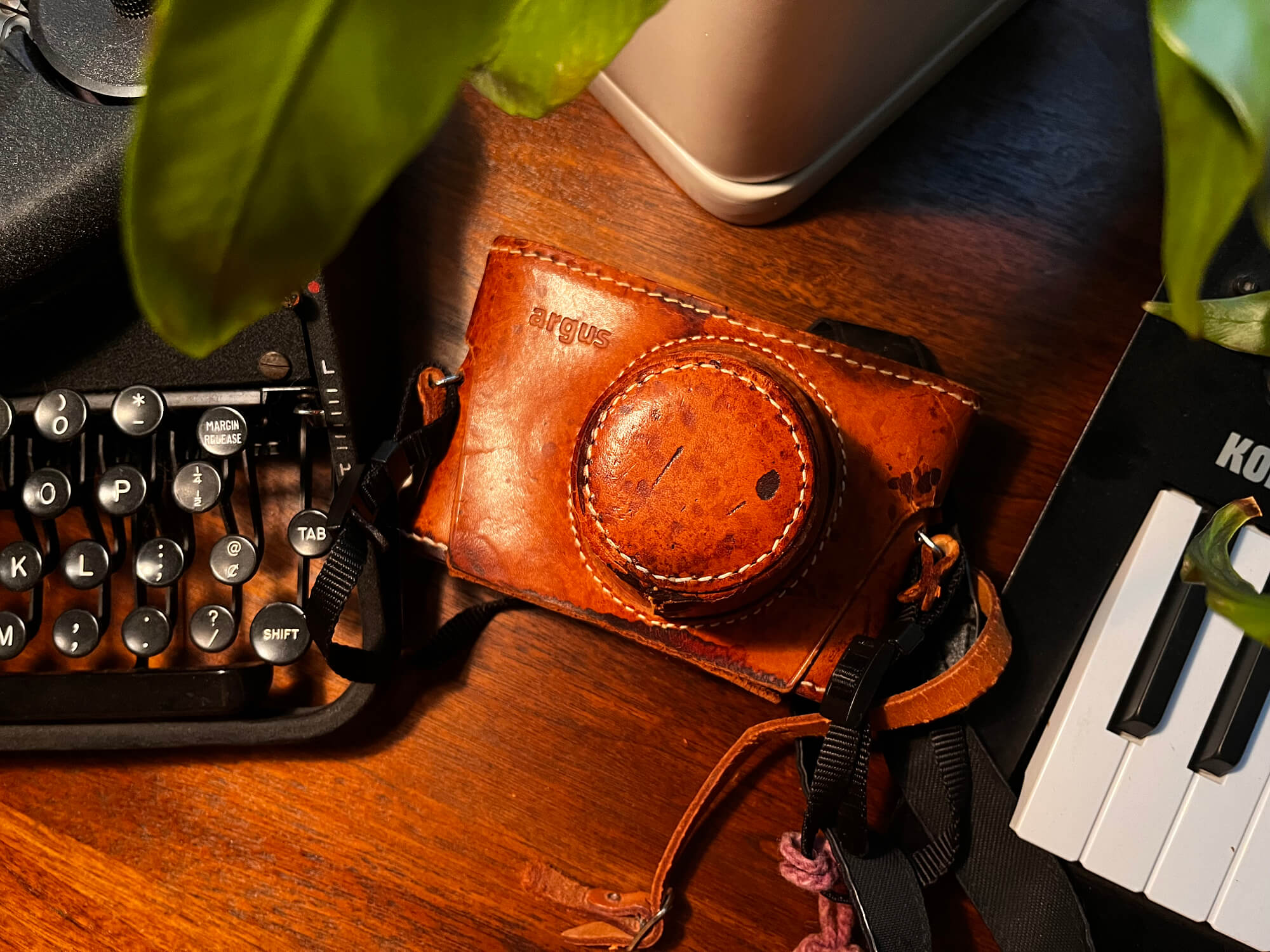
I find that I increasingly challenge myself with my analog Argus C-Forty Four, inherited from my grandmother, though digital still has the slightest edge in my day-to-day. That said, I’ve noticed this trend with millennials to explore a life, style, and formats that preceded us. Having missed the peak of analog consumption, there is a desire to inject that analog approach back into my digitally saturated life.
Interestingly, VFX artistry has had a profound effect on how I see the world. Out of the box, CG is incredibly stale. There is an intention with VFX where you explicitly craft the artifacts that, in the real world, we accept at face value. Shooting on film is a bridge between obsessing over and respecting the imperfections of analog and reintroducing that into my digital art.
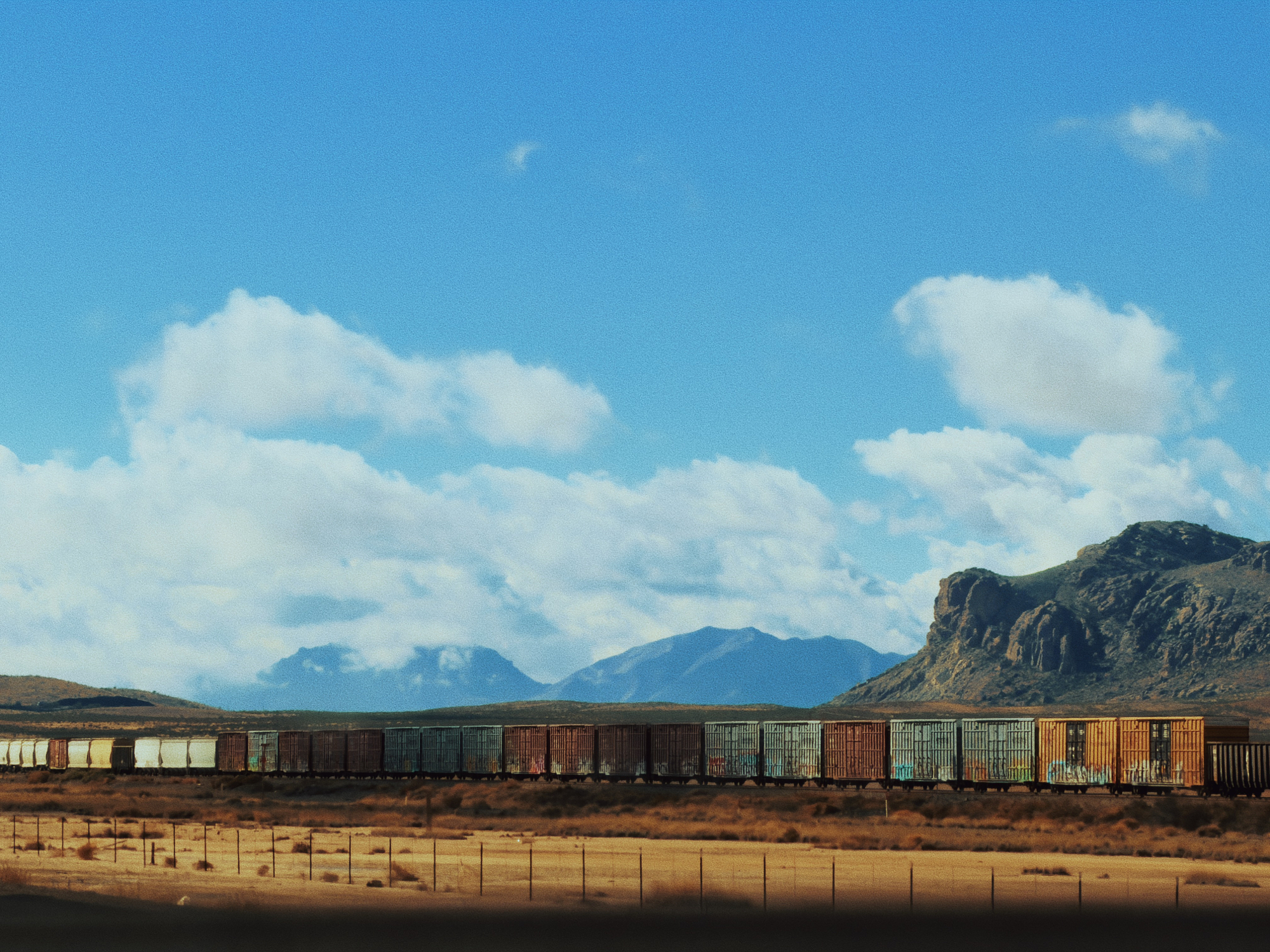
How Mikey Rogers Approaches Cinematic Photography
Can you share the initial spark or moment that first inspired you to get behind the camera and start shooting photography? What was your first camera and early experiences behind the lens like?
How’s this for a curveball? My first camera was a Sony Hi-8 camcorder. This, I’m sure, was my window to both intimate family moments and, at the same time, the occasional in-camera trick a la Georges Méliès. In a way, my life through the lens diverged from here. The desire to capture and preserve fleeting moments through photography and the ability to convince the viewer of something that maybe isn’t quite as it seems through VFX.
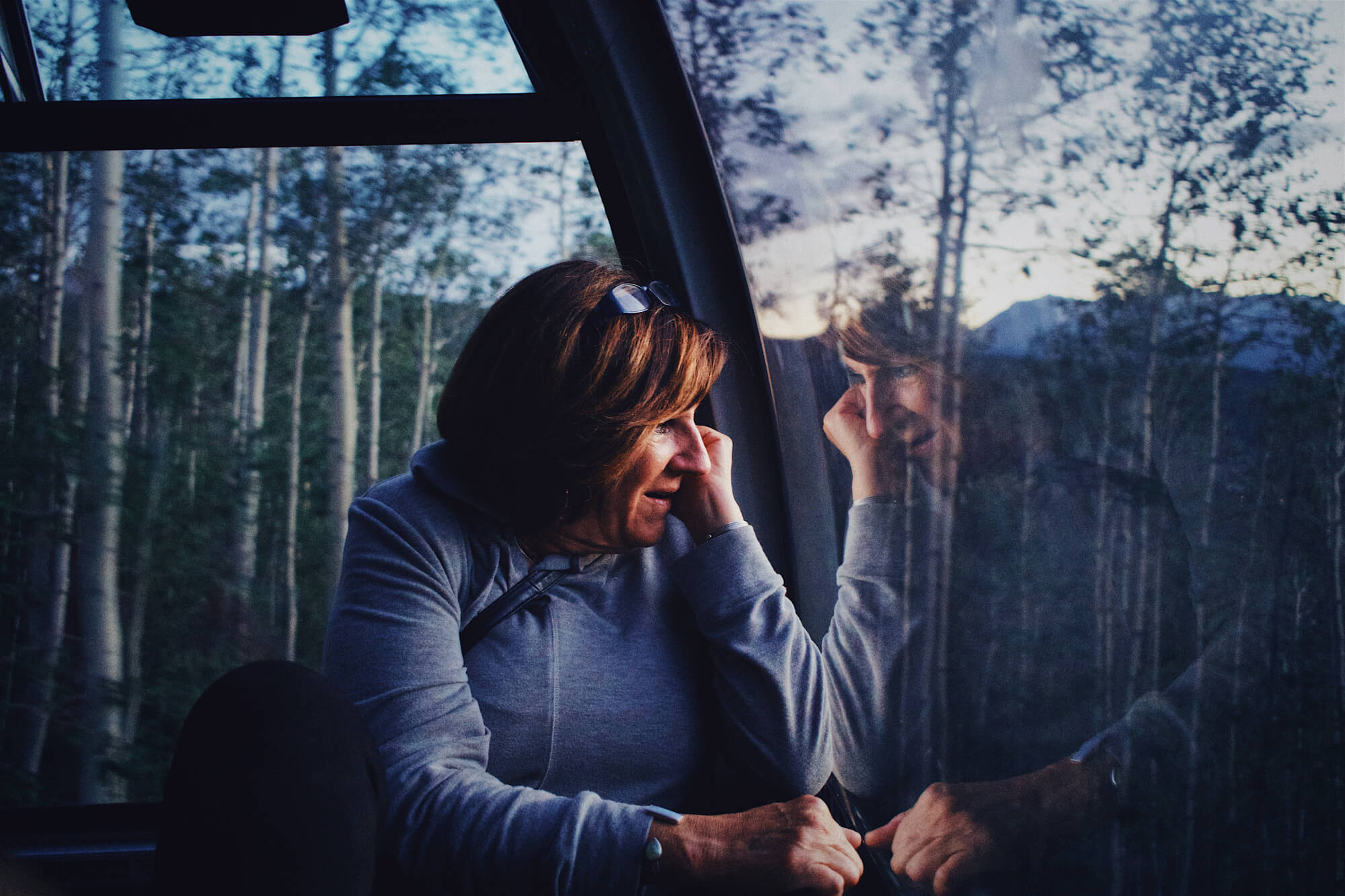
What Mikey Rogers Learned from Working in VFX
Working on films like The Lego Movie 2 or Deadpool requires an immense amount of digital precision. Does shooting your photos on film serve as a sort of palette cleanser for you, or do you find yourself applying that same rigorous VFX-driven logic to edits and post-production in your photography as well?
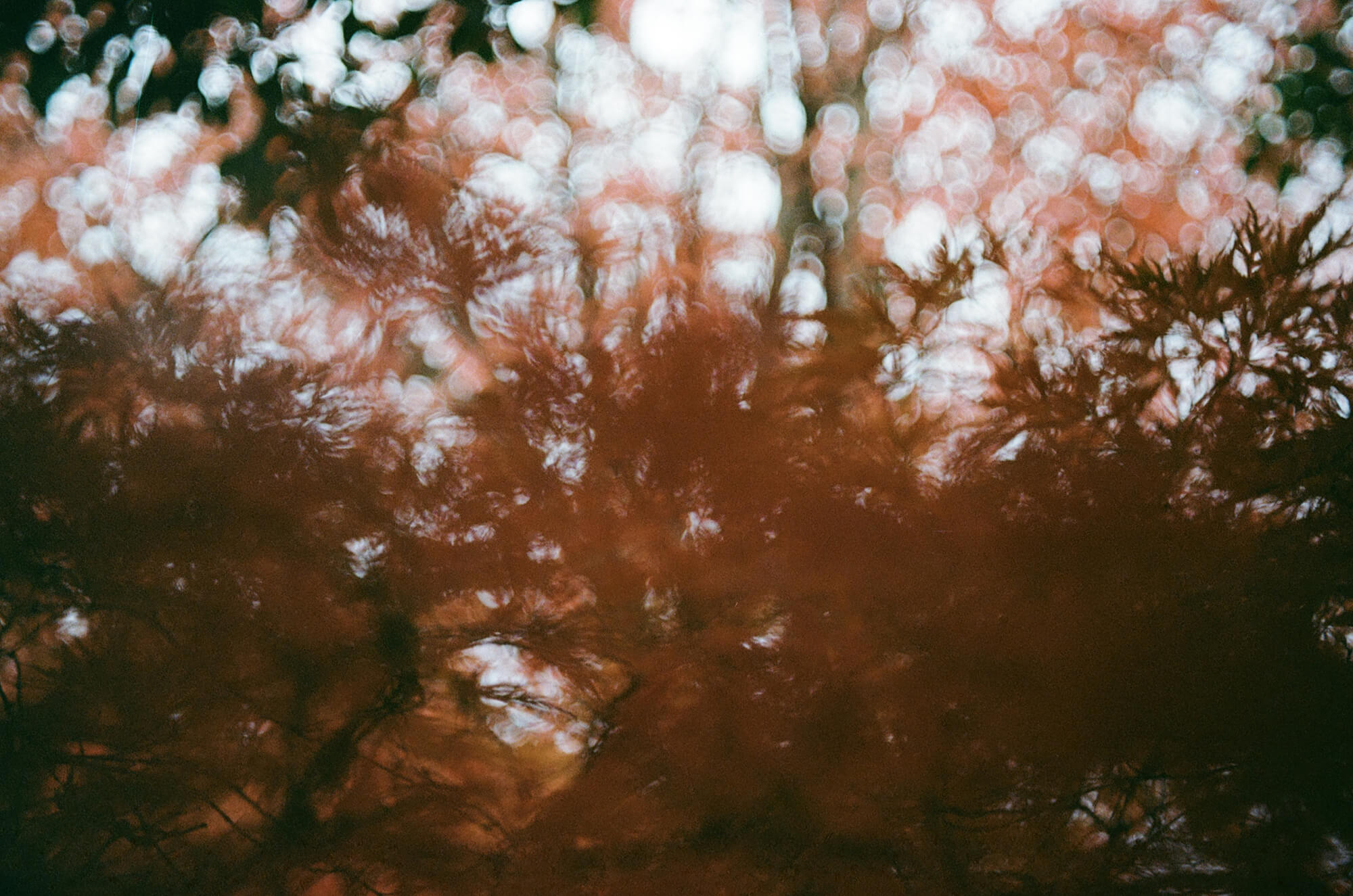
Perhaps less of a palette cleanser and more of a source of inspiration! I take a laissez-faire approach with my photography, where I don’t touch much beyond focus and f-stop while capturing it. For film, I have not once touched up a photograph aside from some straightening; something about the medium tells me I need to accept it as it is. As for my Sony and iPhone shots, I capture RAW and at about -1.0 stop. I then look to VSCO Pro on my iPad Air to introduce artifacts like blur, vignette, halation, bloom, noise, and texture that get me closer to a more filmic look. So you could say the VFX side of me certainly gets put to work!
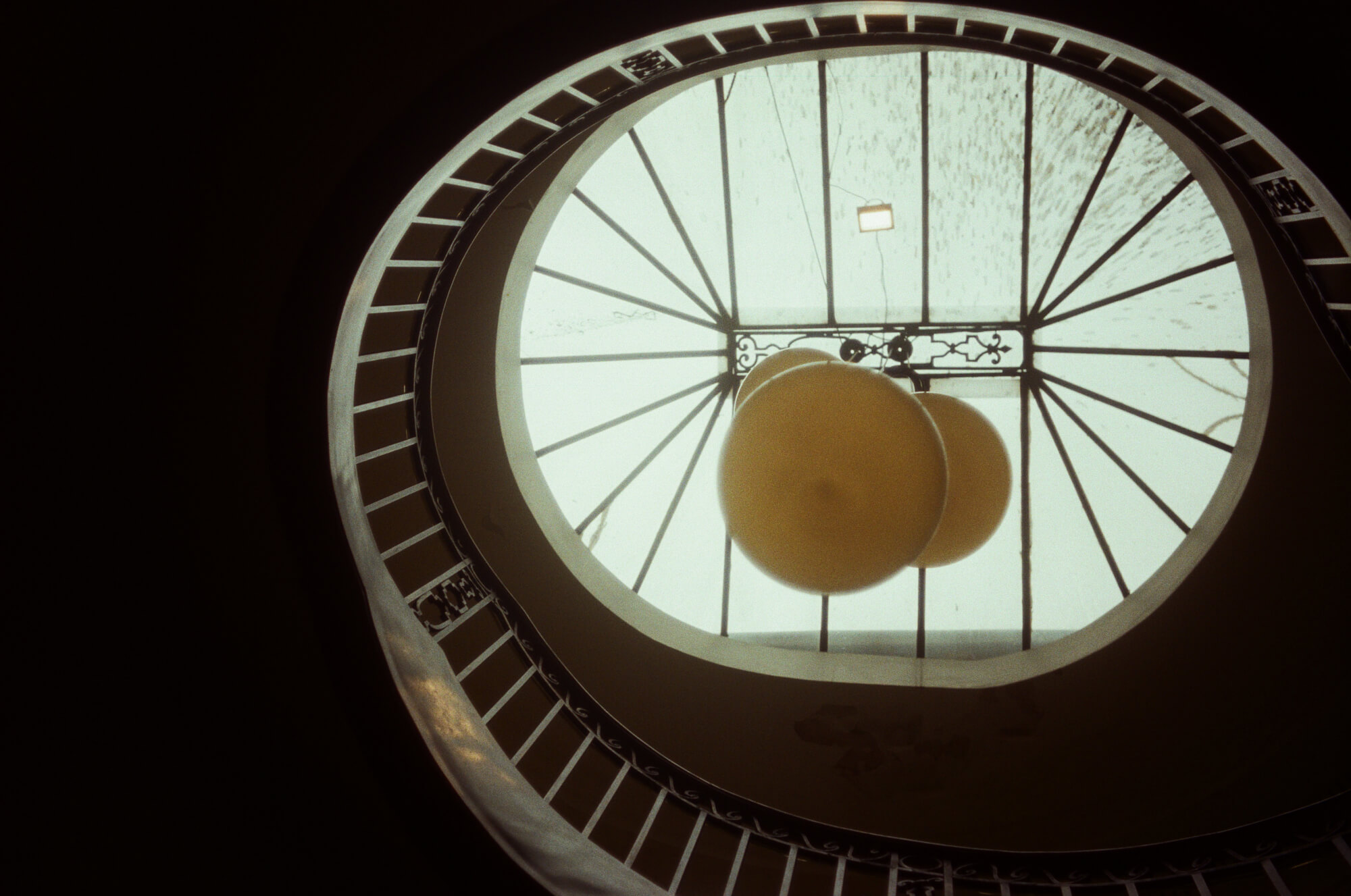
There is a definitive cinematic quality to your photos. Beyond the choice of aspect ratio or color grading, what are the specific visual cues you look for to ensure a single still image tells a story that feels like it has the same weight as a frame on a cinema screen?
So here’s some insight into my handle… I conjured foreground_element during a solo psilocybin journey in 2019 as I transitioned from my home of 9 years in LA to a new life in Australia, searching for meaning, perspective, and guidance in this endeavor.
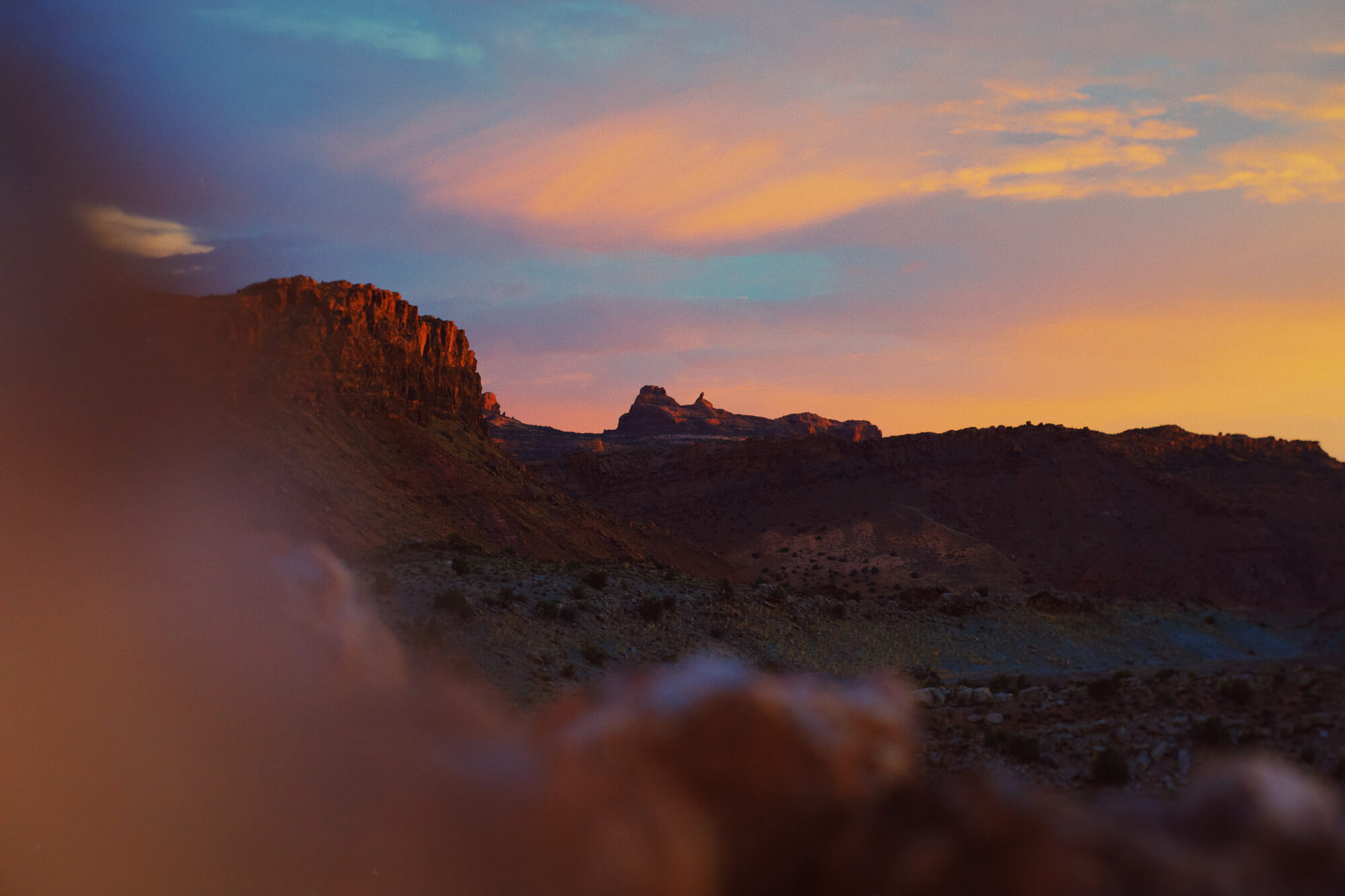
In this journey, I wrote a considerable amount of introspection into my notebook. One part in particular reflected on my mom, who always expresses that she wishes I were in more photographs. These sentiments got me thinking about how I had been composing my photos. How I generally tend to have some element in the extreme foreground to help balance and give depth, but what this journey made me realize is that these blurry foreground elements and I are so close in proximity (generally touching), that our atoms become intertwined, and we are no longer discrete objects. So ultimately, I, in fact, am in every single photo I take, Mumsies.
Your architectural work is notably structured and clean. Does your background in VFX and motion graphics, where geometry, design, and layout are vital, make you more sensitive to the lines and graphic nature of the buildings you choose to document?
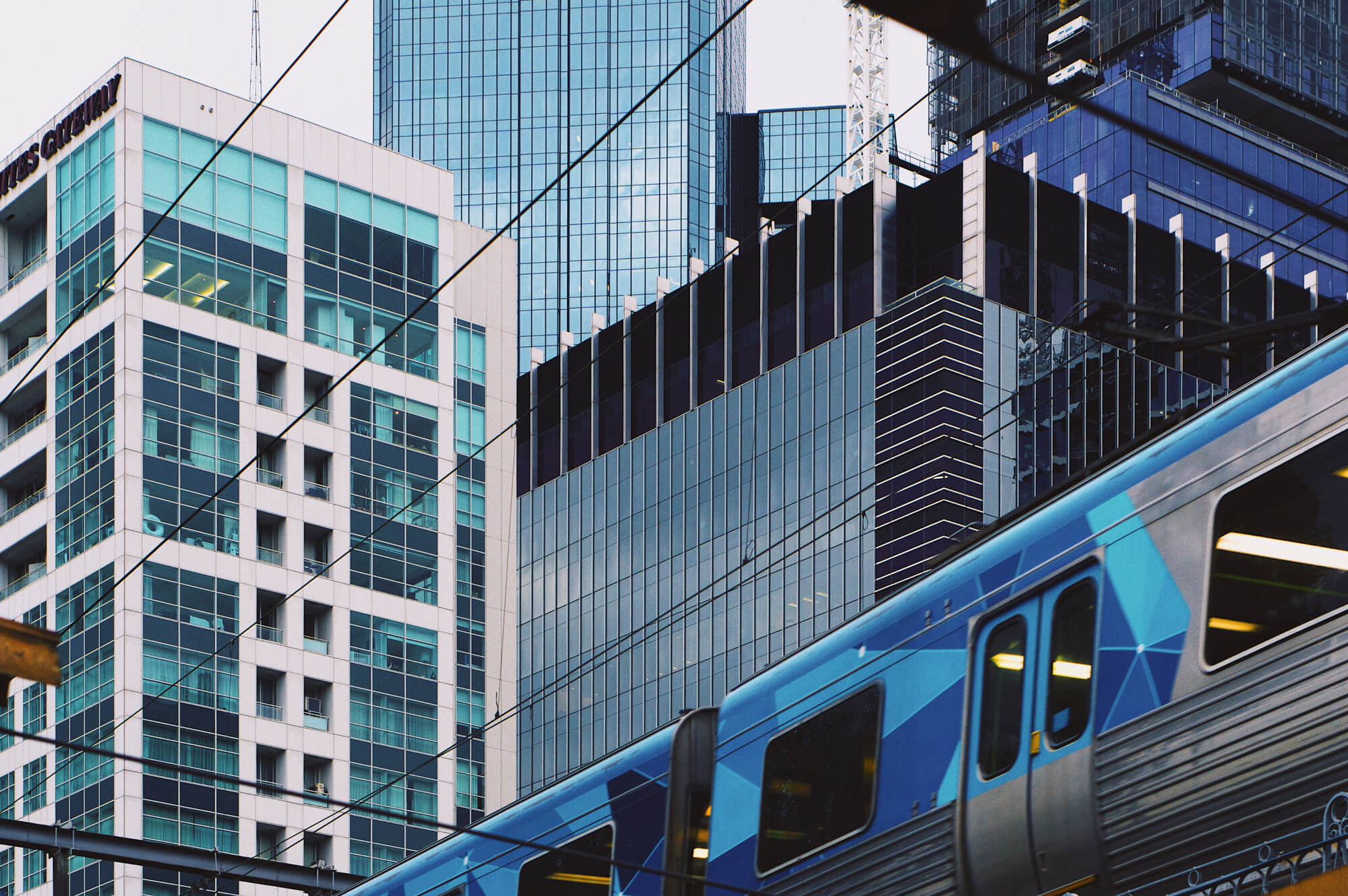
I spend a lot of time in the viewfinder, finding myself breathing in deeply, exhaling, and holding my breath while I contort in weird ways, while I discover all the ways the composition changes from the POV of the viewfinder. I do sometimes adjust vertical perspective in post to have buildings appear unusually straight as opposed to letting them naturally skew, creating a surreal, unnatural, overbearing effect. I’m usually on the hunt for converging shapes or repeating colors, which also lend themselves to that mograph aesthetic. Then I stay perfectly still, inhale once more, and click.
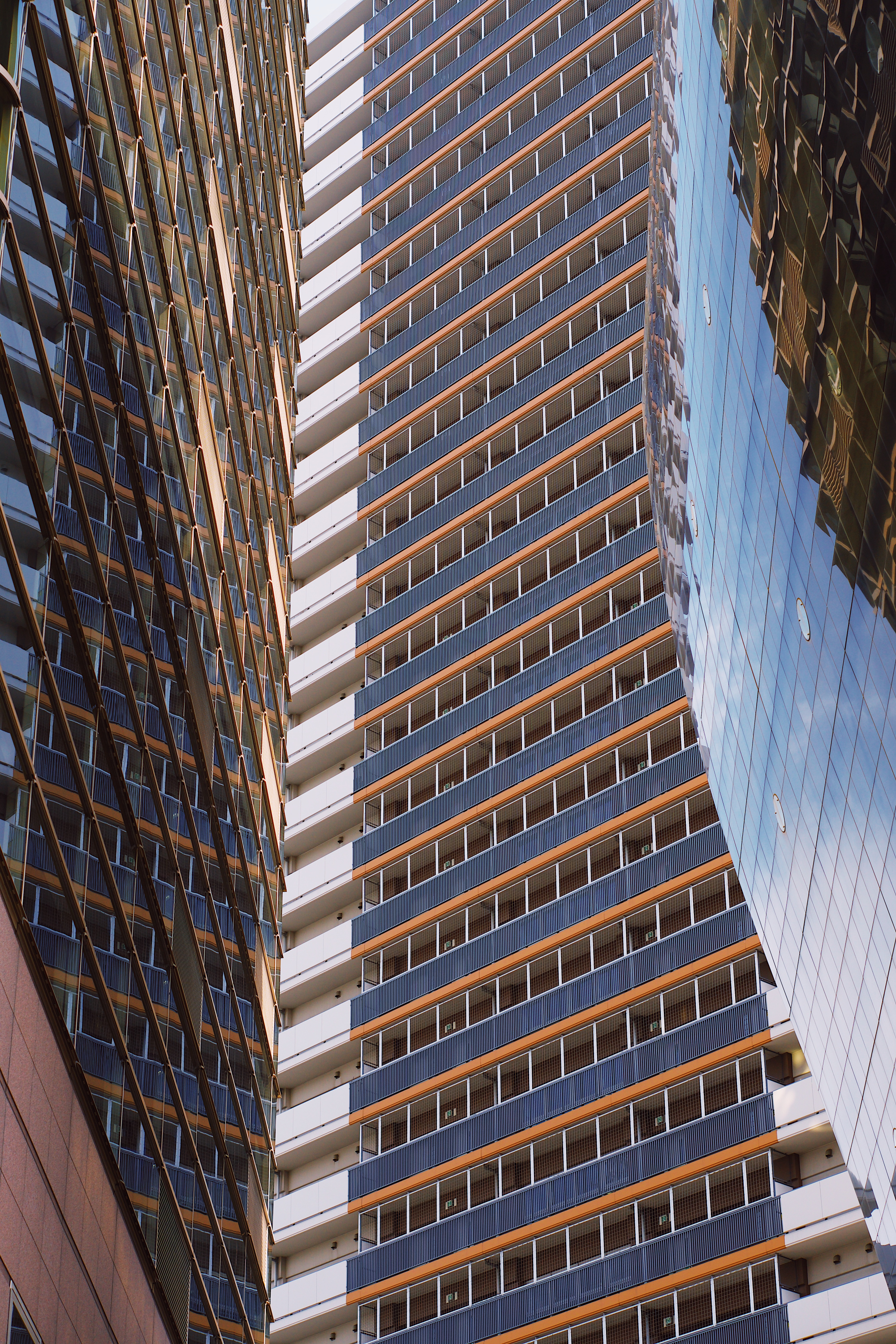
Processed with VSCO with au5 preset
Many photographers who work in digital post-production are tempted to over-process their personal work, yet your portfolio feels grounded and authentic. How do you decide when a photo is finished, and where do you draw the line between enhancing a mood and losing the reality of the location?
The things photographers usually try to hide and clean up, we, in VFX, are actually trained to add back in because that helps sell the realism. CG does not add chromatic aberration or lens distortion on its own, for instance. And because I prefer to leave my film alone, I tend to grade to the lowest common denominator—the Argus—in order to keep a unified look across my photos, and I still find joy editing my digital shots on my iPad.
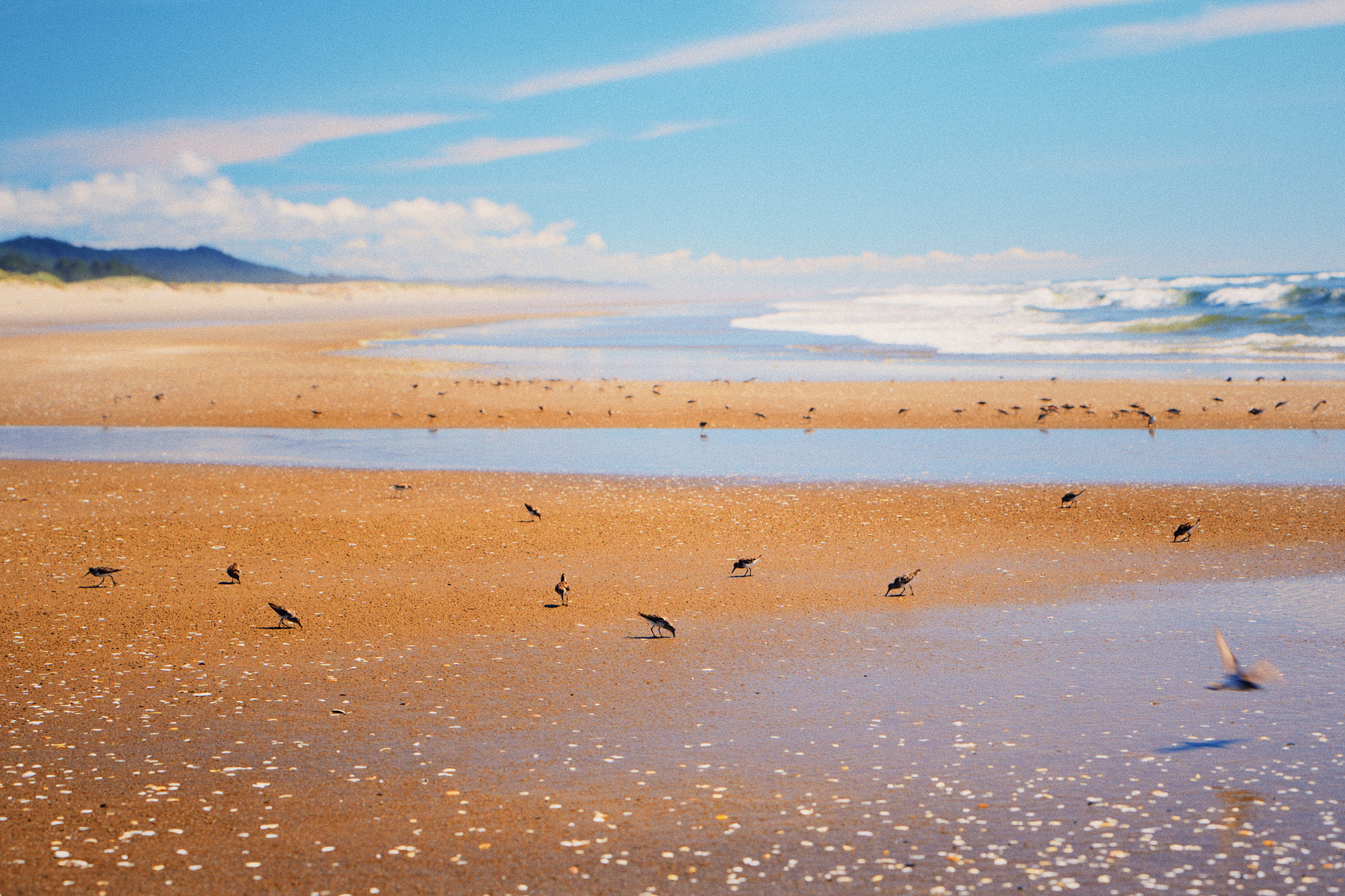
Processed with VSCO with ku1 preset
There’s something magical about tweaking the parameters mentioned in an earlier response with the touch of a finger. Letting the image burn or softly bloom in the highlights; subtly bleeding warm hues onto the shadows; being heavy-handed with grain and then slowly pulling back until it’s imperceptible; or adding soft scratch and dust texture, artificially blurring the image on the edges or corners to pull the viewer in closer, creating a dream-like state. This all helps bring it back to that natural, inviting film feeling. I know a lot of people swear by Lightroom, but that’s far too many knobs for my taste, and I’m certain I would get carried away and overdo it. The simplicity of the UI of VSCO Pro speaks to me.
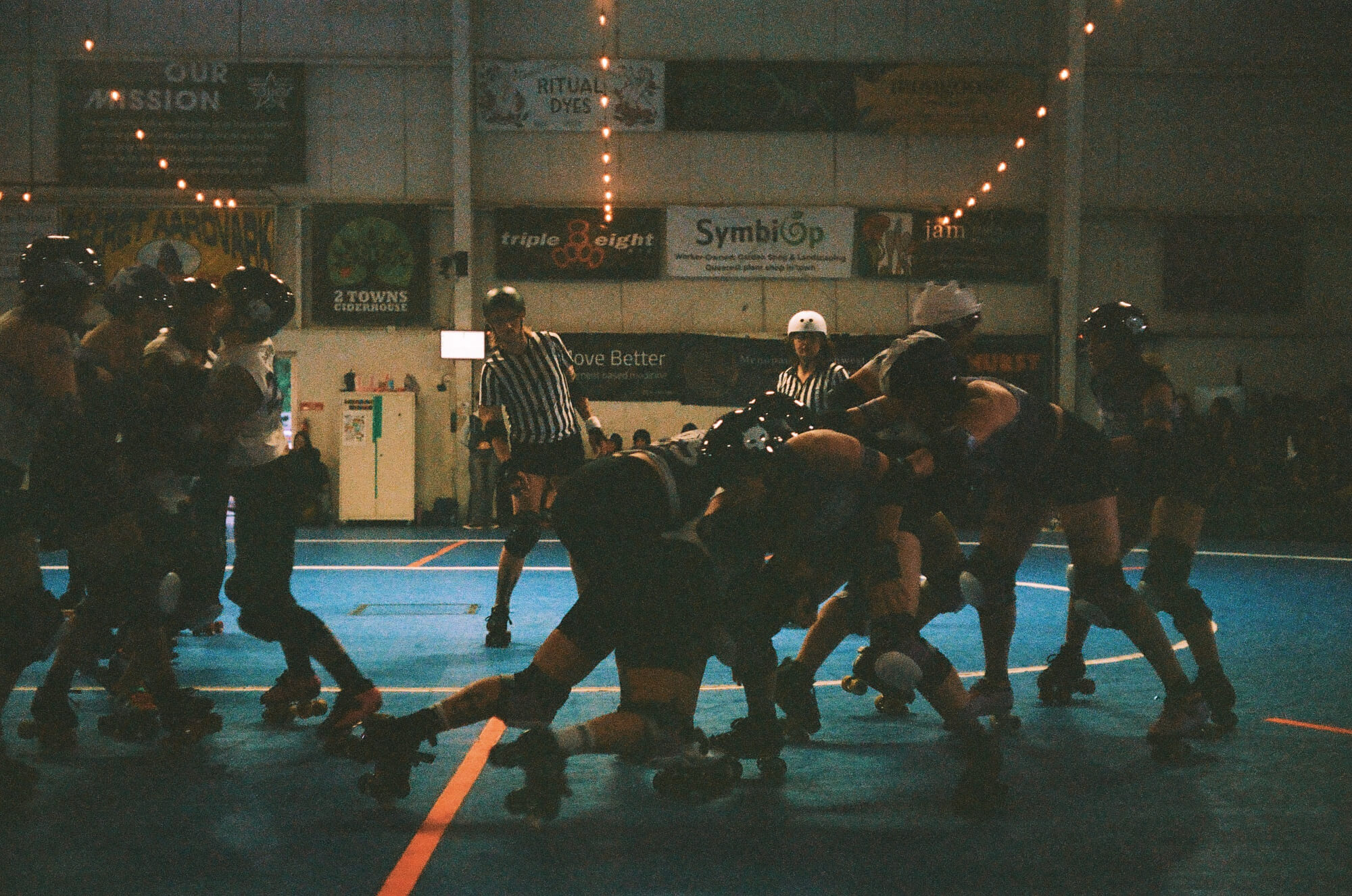
Photography can often allow for a high degree of spontaneity, whereas VFX is a world of meticulous planning. How do you balance your need for technical perfection with the unpredictable nature of light and weather when you are on the road?
I suppose that’s why I find photography so wonderfully intimate and rewarding. Yes, there is something incredibly gratifying about spending an ungodly amount of time perfecting VFX shots and making them look exactly how you want. But the awe of a photo that was able to capture what you saw in the moment is a superpower.

An ex of mine once commented on the brilliance of a photo being like a portal into someone else’s eyes. I guess more specifically, as an art form, it’s a universal language. It tells the story of the moment and nothing more. And I think that’s also the joy of color grading. Yes, it reduces that feeling of spontaneity, but I think, like a woodworker, it’s a way to whittle down the image into what you truly felt and saw.
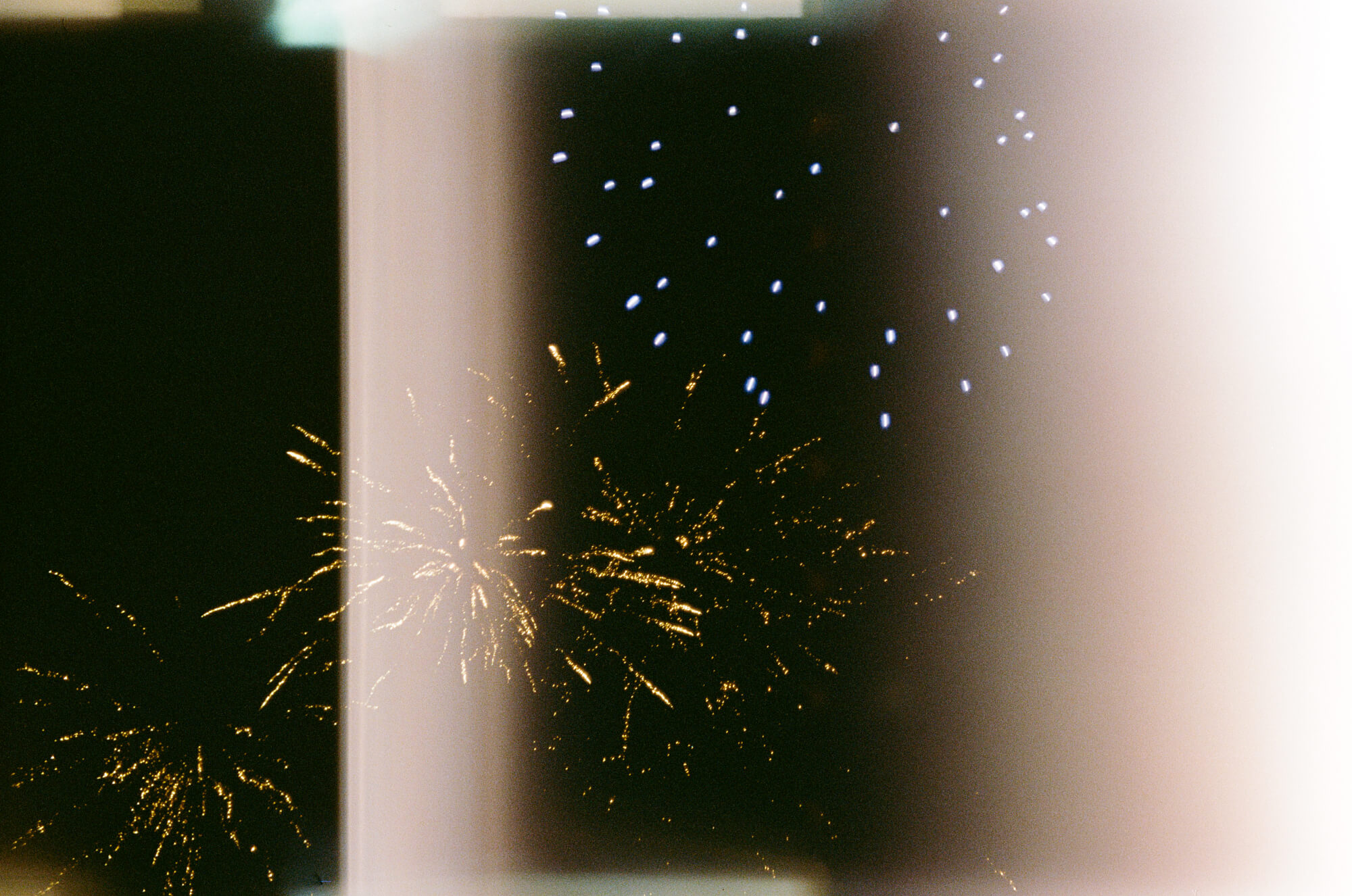
Digital cameras (and especially phones) have their own color profiles that bake in and tell their version of the story. Grading lets you pull the narrative back to how you remember seeing things in your mind’s eye. To recreate that feeling of wonder and frisson that you felt before you even remembered that you had a camera in your possession.
Creatives often draw from a wide well of inspiration, and your work, in particular, is evidenced by the diversity in your portfolio. Where do you primarily find your inspiration? Is it from the work of other photographers, perhaps from different genres, or does it stem more from influences outside of photography, like music, film, television, literature, or other forms of art?
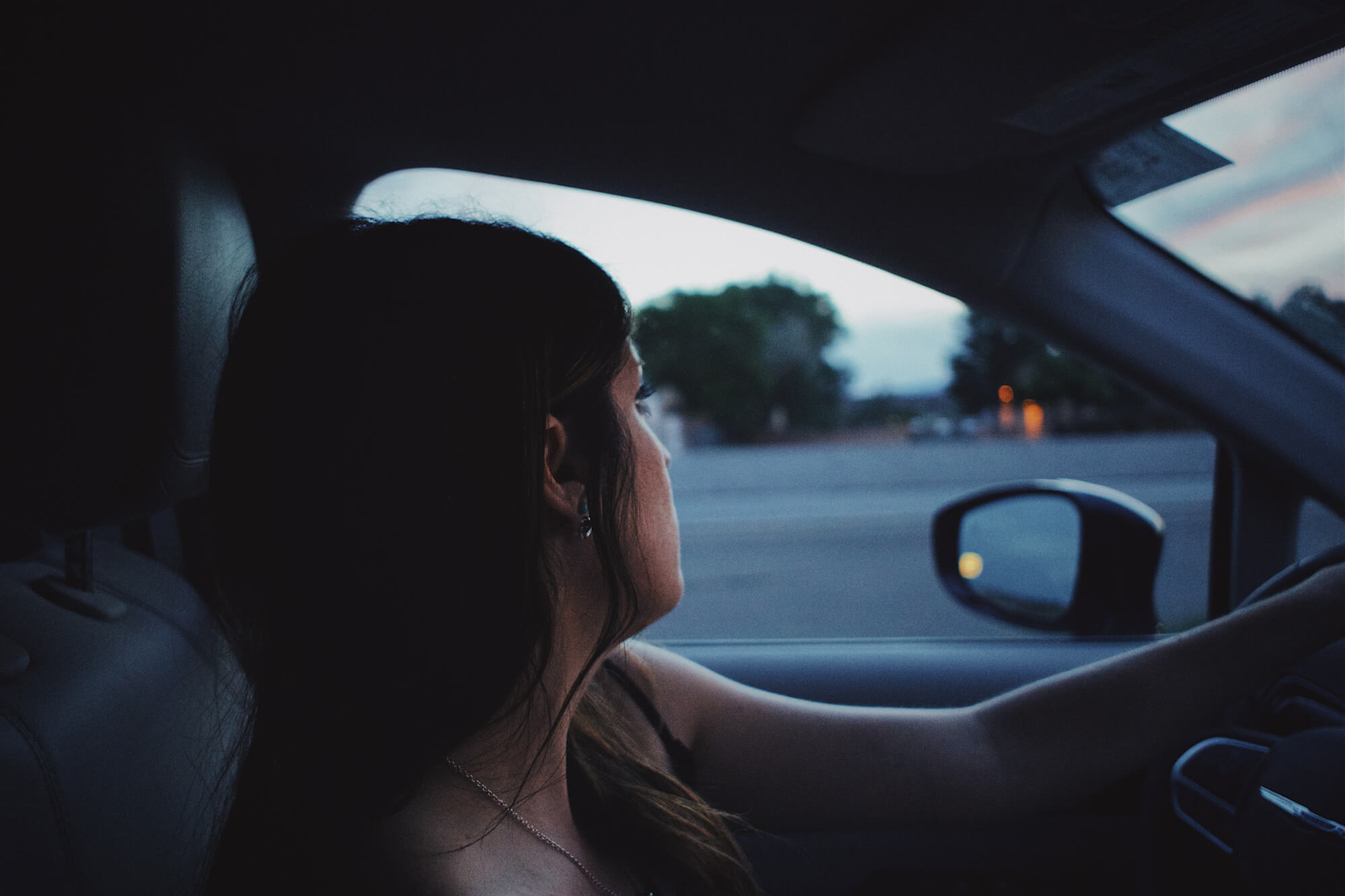
I’m really drawn to film and music that has extreme melancholy or sorrow. I think of filmmakers like Spike Jonze (Where the Wild Things Are, Her) and Paul Thomas Anderson (The Master, Phantom Thread) and composers like Max Richter, Philip Glass, and Jóhann Jóhannsson. Usually, there are themes of longing, isolation, and loss in these artists’ work, and I think I tend to see the world through this lens as well.

We have a question from a previous featured photographer, Leon Eule, who asked, “When shooting, what do you feel is more important: that the photos should please you first, or is it more important that they connect with the audience? And why?”
I suppose it would be to connect with an audience. I think that’s why a photo is captured. A song is written. A movie is shot. We as artists have a story to tell. Something that we want to communicate. To be heard and seen and to share our perspective on our experience with our fellow humans. With a photograph, the pleasure comes before the photograph is taken. That moment is just for you. It’s the intention to take the photograph that aims to capture that emotion and share the feeling with those around you.
One last question to wrap things up: Do you have any upcoming photography projects, shoots, travel plans, or any other projects that you are excited to share or promote?
Photography projects, no! It’s still just a hobby of mine. I recently finished printing and professionally framing 15 of my most treasured photographs. It’s the first time I haven’t had someone else’s artwork gracing the walls of my home, which is quite unusual yet so fulfilling. Professionally, however, I am about to wrap on Wildwood, a film I have spent the last four years of my life working on while living in the ever-inspiring Pacific Northwest. I’m super excited for the world to see what we’ve been up to!
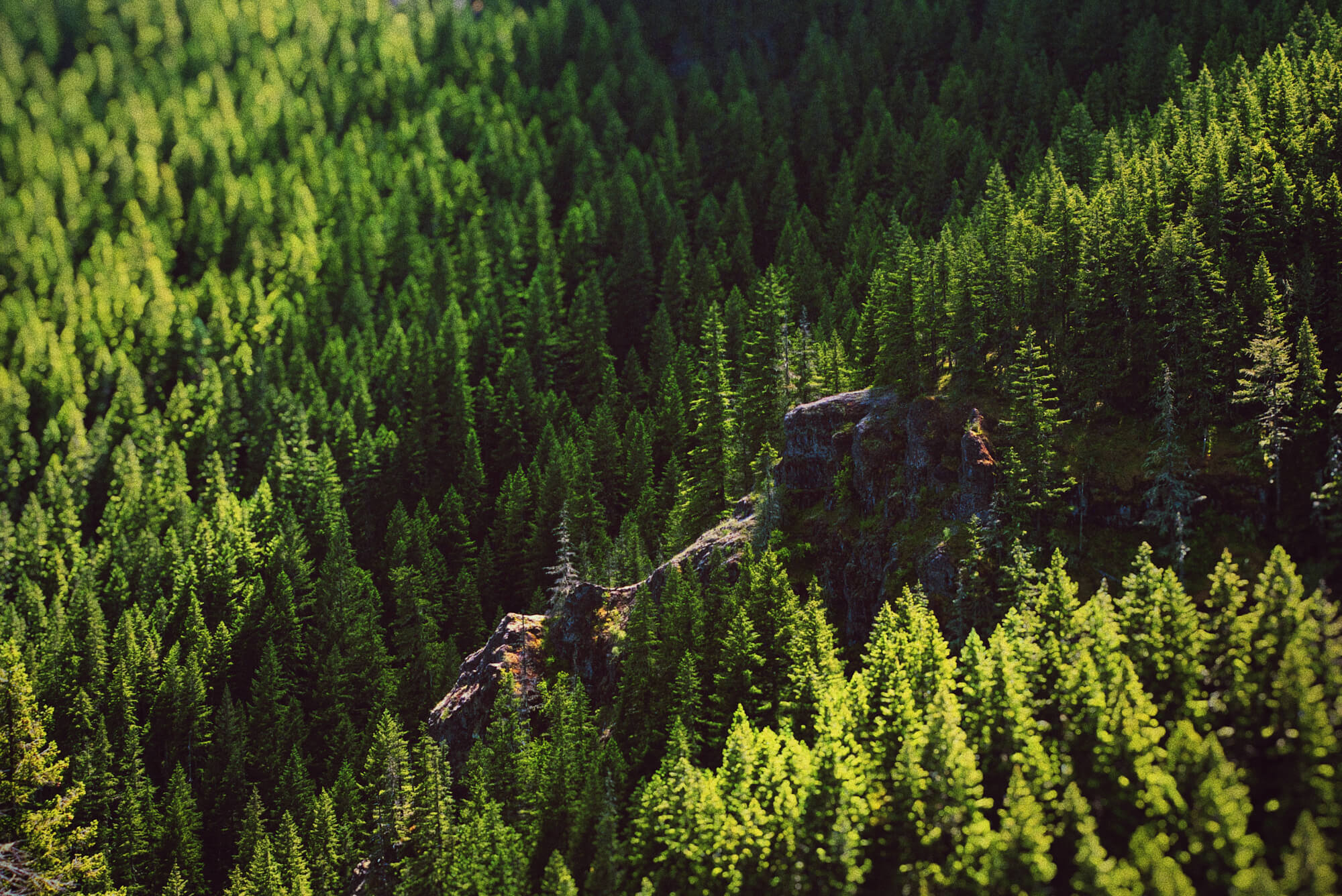
Ultimately, Mikey Rogers shows how blending film and VFX can shape a distinct visual voice. Through both mediums, Mikey Rogers continues to push the boundaries of storytelling.
The post Mikey Rogers: 500px Photographer Spotlight appeared first on 500px.