
How to Select the Right Industrial Adhesive for Manufacturing
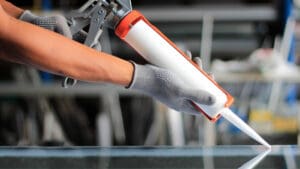
Manufacturing depends on reliable bonding to keep products strong, stable, and durable. Industrial adhesives play a key role in modern assembly because they help manufacturers create secure connections while maintaining efficient production.
When used correctly, they can improve product quality, support cleaner assembly, and contribute to more consistent manufacturing outcomes.
However, selecting the right adhesive requires careful consideration. Not every adhesive performs the same way, and choosing the wrong one can affect product reliability, production efficiency, and long-term performance.
Read on to learn how to select the right industrial adhesive for manufacturing and make more confident decisions for your production process.
Review Application Method and Production Efficiency
The adhesive should integrate smoothly with the existing manufacturing process. Application techniques and curing requirements influence both consistency and production speed.
The following factors help manufacturers select an adhesive that supports efficient assembly operations.
Dispensing method
Adhesives may be applied through manual applicators, automated dispensers, or precision spray systems. Each method requires a product with the correct viscosity and flow behavior. An adhesive that dispenses evenly helps maintain consistent bead size, accurate placement, and minimal material waste across large production runs.
Curing process
Different adhesives cure under different conditions, including room temperature, heat, pressure, or ultraviolet light. Production facilities must confirm that their equipment can support the curing method required for the selected adhesive. Many manufacturers also consult adhesive specialists when evaluating curing requirements.
Working with experienced suppliers such as directadhesives.co.uk or another trusted industrial adhesive provider can help identify products that align with available curing systems and production schedules. Their guidance often helps prevent delays caused by incompatible curing conditions.
Working time
Working time refers to how long the adhesive remains usable after application before curing begins. Assembly lines that involve multiple positioning steps may require longer open times to allow proper alignment of components. Shorter working times may suit high-speed automated lines where parts are positioned immediately after dispensing.
Understand the Materials Being Bonded
Material compatibility strongly influences adhesive performance. Different substrates interact with adhesives in unique ways, affecting how well a bond forms and how long it lasts.
Here are the factors that help manufacturers assess whether an adhesive will perform reliably with specific materials.
Substrate type
Each material responds differently to adhesive formulations. Metals such as steel or aluminum often bond well with structural epoxies or acrylics, while plastics, rubber, and composites may require adhesives designed specifically for those surfaces. Understanding the material composition helps narrow product choices and reduces the risk of weak or inconsistent bonding.
Surface energy
Surface energy affects how easily an adhesive spreads across a material. High surface energy materials like aluminum, stainless steel, and glass typically allow adhesives to wet and bond effectively. Low surface energy plastics such as polyethylene or polypropylene resist adhesive spread, which may require primers, surface treatments, or adhesives formulated for these substrates.
Surface condition
The condition of the bonding surface has a direct impact on adhesion strength. Contaminants such as oil, dust, oxidation, and protective coatings can interfere with proper bonding. Cleaning, abrasion, or other preparation methods help create a more stable surface, allowing the adhesive to contact the material evenly.
Evaluate Environmental and Operating Conditions
Adhesives must retain their performance after assembly, even when exposed to demanding environments. Temperature fluctuations, from extreme heat to cold storage, can affect the structural integrity of a bond. Selecting adhesives rated for the expected temperature range ensures that bonds remain strong and reliable throughout the product’s lifecycle.
In addition to temperature, chemical exposure plays a critical role in bond durability. Contact with fuels, oils, solvents, or cleaning agents can weaken certain adhesives, causing them to degrade prematurely. Choosing chemical-resistant formulations helps maintain long-term performance, especially in industrial or automotive applications where exposure is frequent.
Moisture and physical stress also influence adhesive effectiveness. Products used outdoors or in high-humidity settings require adhesives that resist water penetration and prevent bond failure.
Consider Strength, Flexibility, and Performance Requirements
After evaluating materials and environmental conditions, it is essential to define the mechanical demands of the adhesive. High bond strength ensures that components under stress, including tensile and shear forces, remain firmly secured. Choosing an appropriate formulation helps maintain structural stability and prevents early failure under load.
Equally important is the ability of the adhesive to tolerate movement. Parts that expand, contract, or experience minor shifts during use require adhesives that adapt without breaking or losing adhesion. Flexible formulations absorb stress and extend the service life of bonded assemblies.
Additionally, surface irregularities and production timing influence performance. Adhesives that fill gaps or uneven surfaces provide a uniform connection, reducing potential weak spots.
Final Thoughts
Choosing the right industrial adhesive requires careful evaluation of several factors. Materials, operating conditions, mechanical performance, and production methods all influence which adhesive will perform best. A thorough assessment allows manufacturers to narrow their options and select adhesives designed for their specific application.
Read more:
How to Select the Right Industrial Adhesive for Manufacturing