Ganzorig Miimaa: 500px Photographer Spotlight
Ganzorig Miimaa’s work doesn’t just capture a moment; it constructs an entire world. Recently named 500px Photographer of the Year 2025, their portfolio is an outstanding blend of Mongolian heritage and avant-garde composition. The imagery feels less like a snapshot and more like a Renaissance tapestry brought to life. We sat down with the artist to discuss their work, experience, process, and inspiration.
Congratulations on being named 500px Photographer of the Year. This winning portrait is tight, rhythmic, and incredibly focused. The backdrop and the subject’s clothing share an almost identical pattern, creating this mesmerizing effect where she seems to emerge directly from the history of the walls. What was your intention and process with this shoot?
Thank you. It truly means a great deal to receive this recognition from 500px. For sixteen years, I worked primarily in commercial photography. Last year, I made a conscious decision to dedicate half of my working time to personal projects focused on Mongolian cultural heritage.
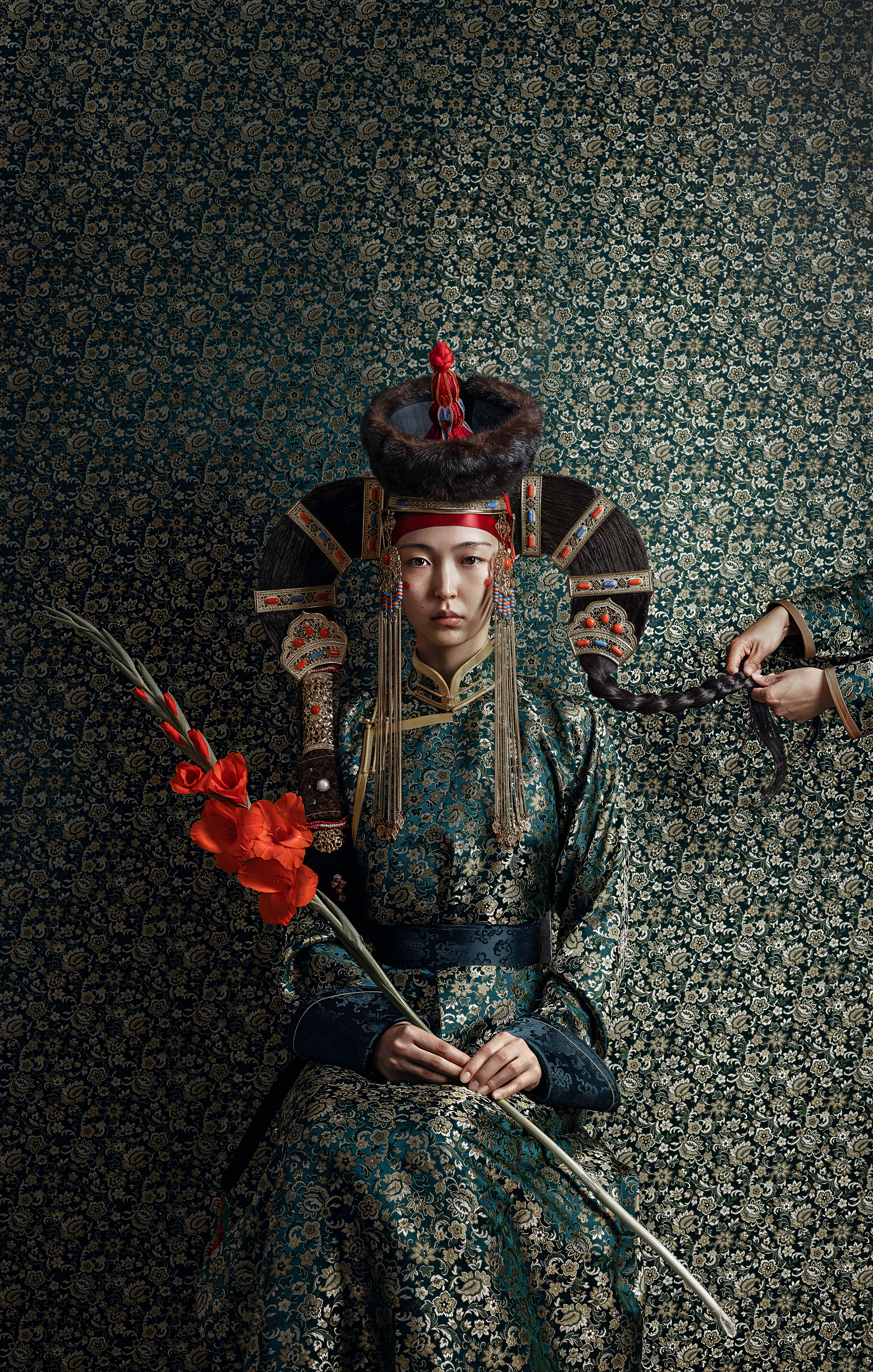
The hairstyle of a married Mongolian woman in the early 19th century is extremely fascinating. Many people mistake it for a hat or ornamental headpiece, rather than understanding it as a complex hairstyle. In this image, I chose to depict the final stage of the hairstyling process, bringing viewers one step closer to the cultural reality behind it. As for using the same fabric for the backdrop as the deel itself, I don’t feel the need to assign a deep symbolic explanation. It was not about meaning—it was about possibility.
Instead of asking, “Should this be this way?” I was more interested in asking, “Why couldn’t it be this way?”
Your broader Portfolio often explores the quiet power of human connection and culture across Mongolia. When you’re traveling through such vast landscapes, what is the specific emotional “click” that tells you a person or a scene is worth stopping for?
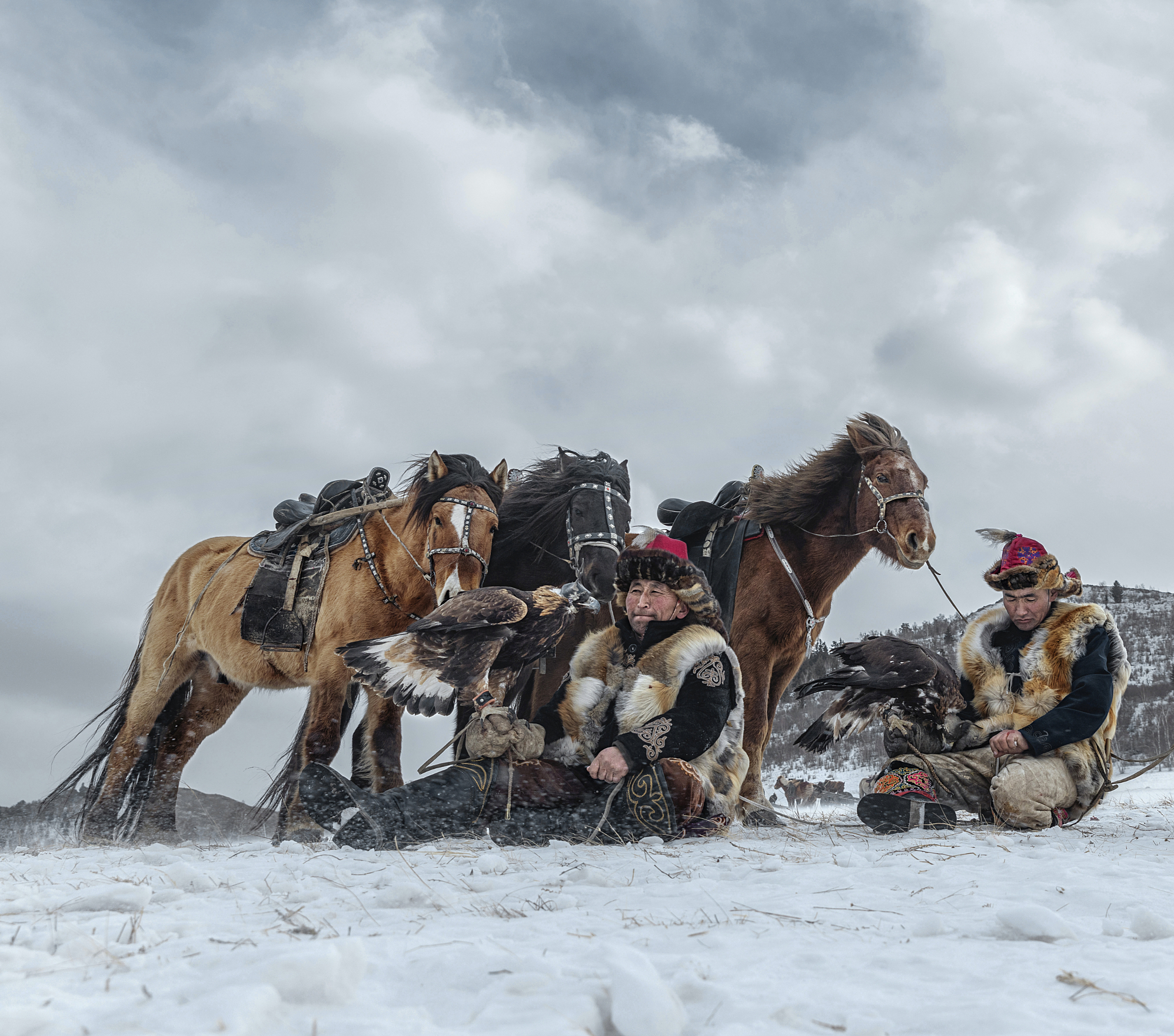
My work tends to be carefully prepared and structured. When I shoot without planning, I often return with very little. Although I have many years of experience in photography, the artistic direction I am now pursuing is relatively new to me. It would be too early to say that I follow a fixed emotional pattern. Instead, I rely on clarity of intention. When preparation and vision align, that alignment becomes my “click.”
You have a background that seems to blend traditional documentary work with highly stylized portraiture. How do you balance the responsibility of cultural storytelling with your own personal desire for artistic expression?
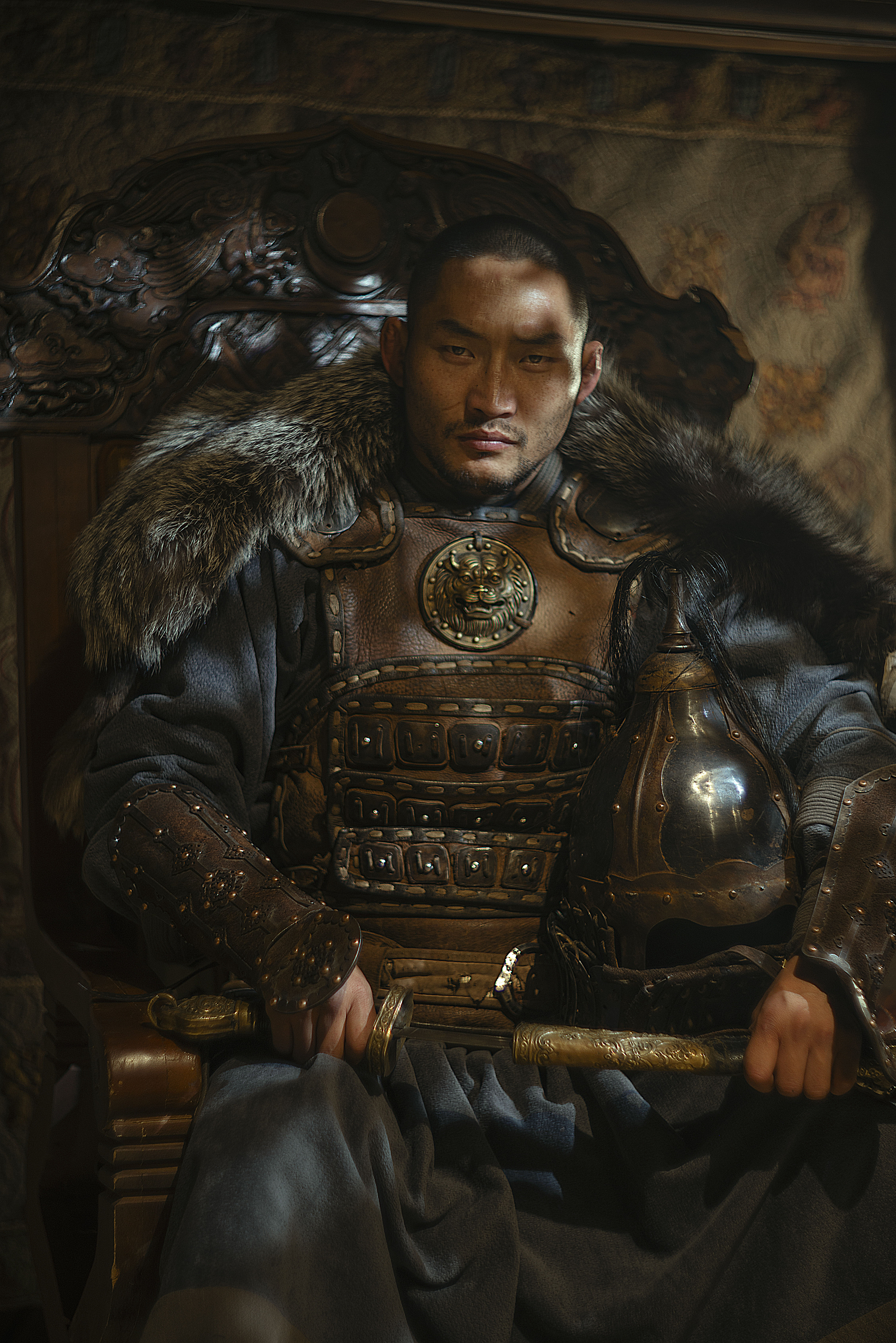
I try to research deeply before working with cultural subjects. Avoiding misinterpretation is important to me. But balance happens in the visual language. I begin with respect and study — and then I allow myself artistic freedom in composition, texture, and atmosphere. For me, cultural storytelling and artistic expression are not opposites; they complete each other.
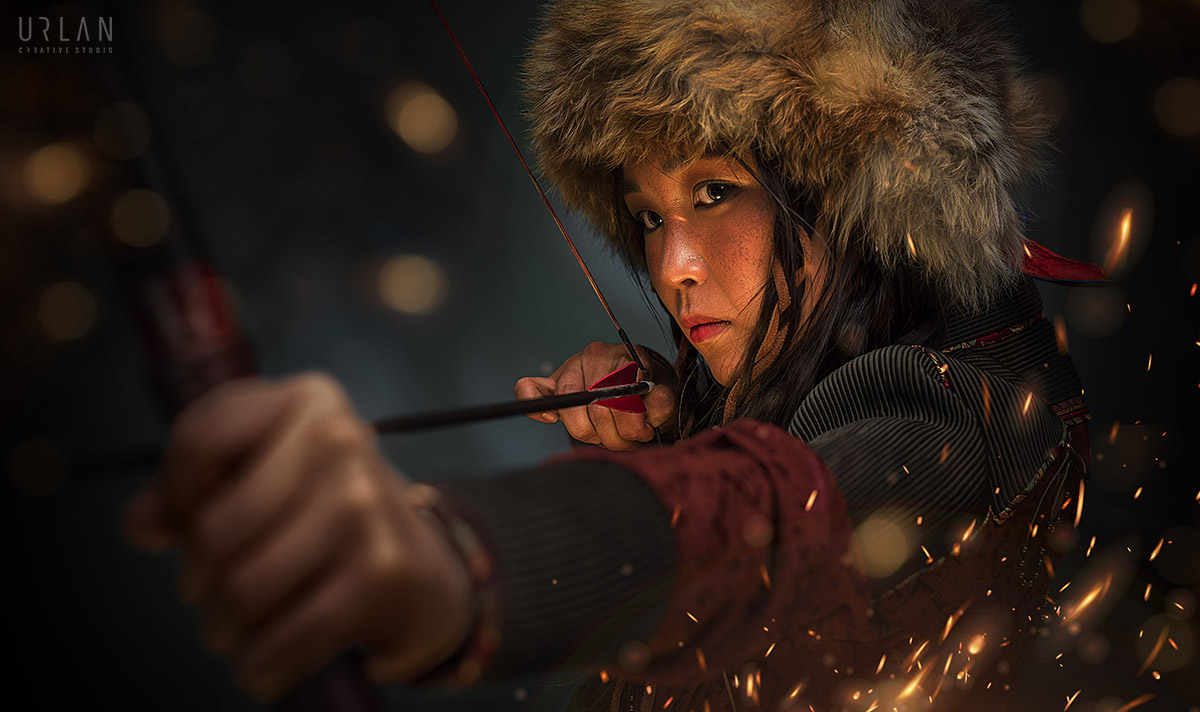
Many of your subjects have an expression that is guarded yet powerful. How do you build enough trust in a short amount of time to get people to drop their guard and show that kind of vulnerability to your lens?
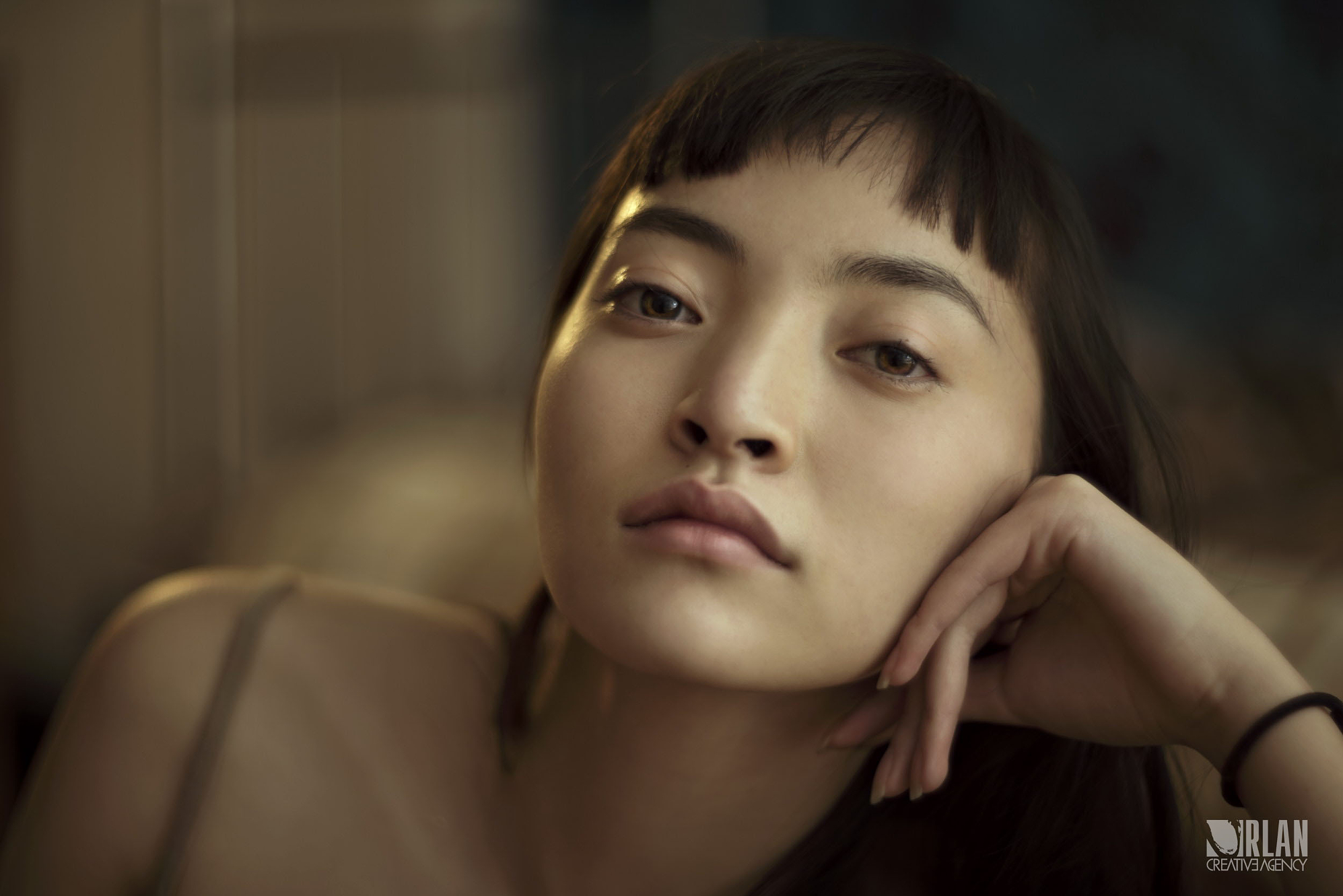
When it comes to models, rather than trying to break down someone’s defenses, I search for individuals who already carry the gaze and presence I want to express. With this approach, it is less about persuasion and more about recognizing how they fit the part I am envisioning. People’s gaze and presence already reveal something essential about who they are.
Once, for a portrait intended to represent a traditional Naadam-inspired festival identity, I searched for someone who appeared modest yet distinctive—confident, but not loud. I spent two days at the PLAYTIME Festival, where nearly 30,000 people attend daily, before finding her. She was performing as a DJ, dressed in a contemporary style, yet in that moment, I knew I had found the face I had been looking for.
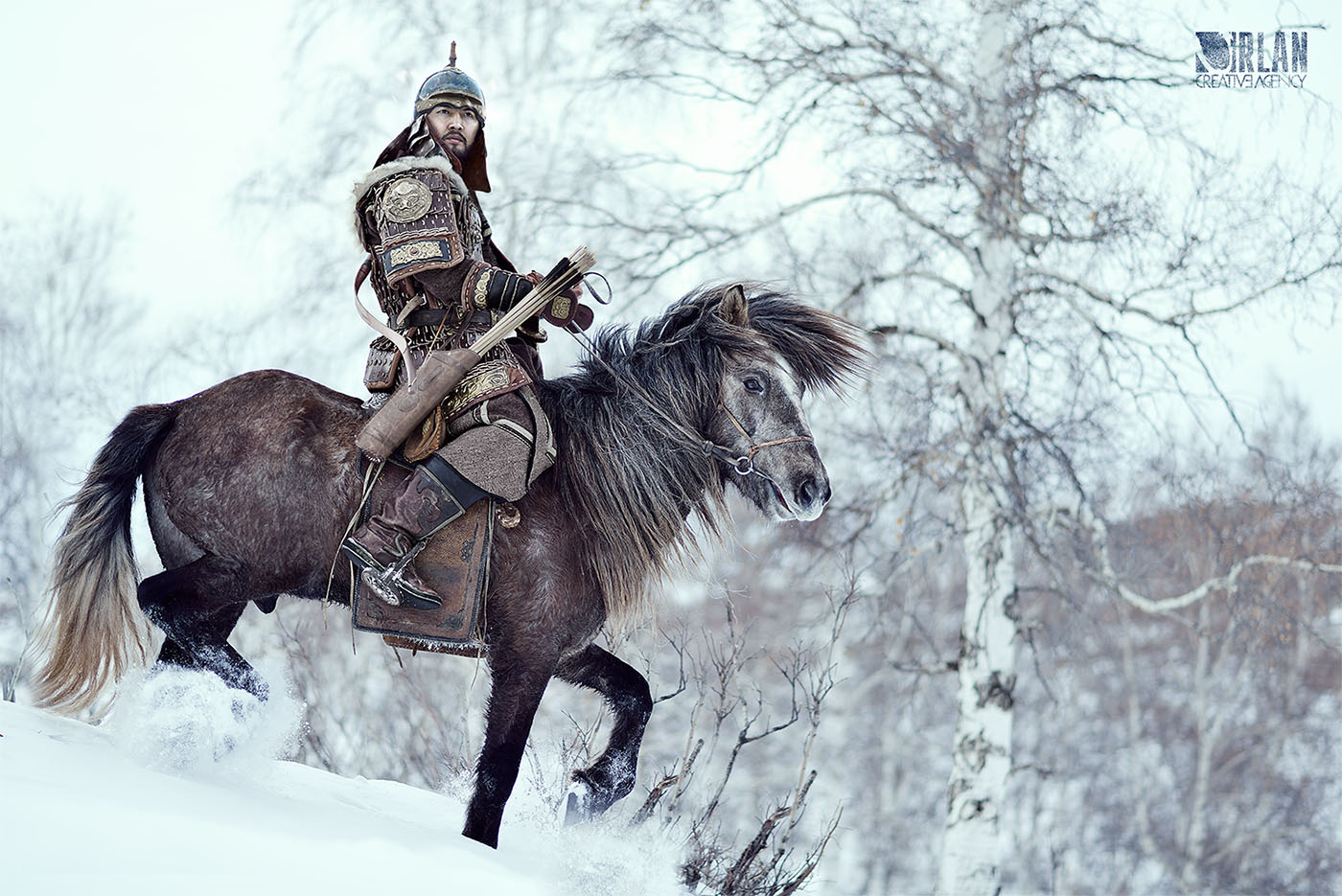
Looking back at your early days as a photographer, what was the biggest “wrong turn” you took that eventually helped you find the signature style you have today?
I always knew I would be connected to visual art, even as a child—but I did not know it would be photography. Becoming a designer first allowed me to understand structure, balance, and composition. Falling in love with photography later shaped who I am today. In many ways, that detour was not a mistake—it was preparation.

The lighting in your work is often praised for its clarity and mood. Are you a photographer who spends hours waiting for the perfect natural light, or do you prefer the control of a more staged environment?
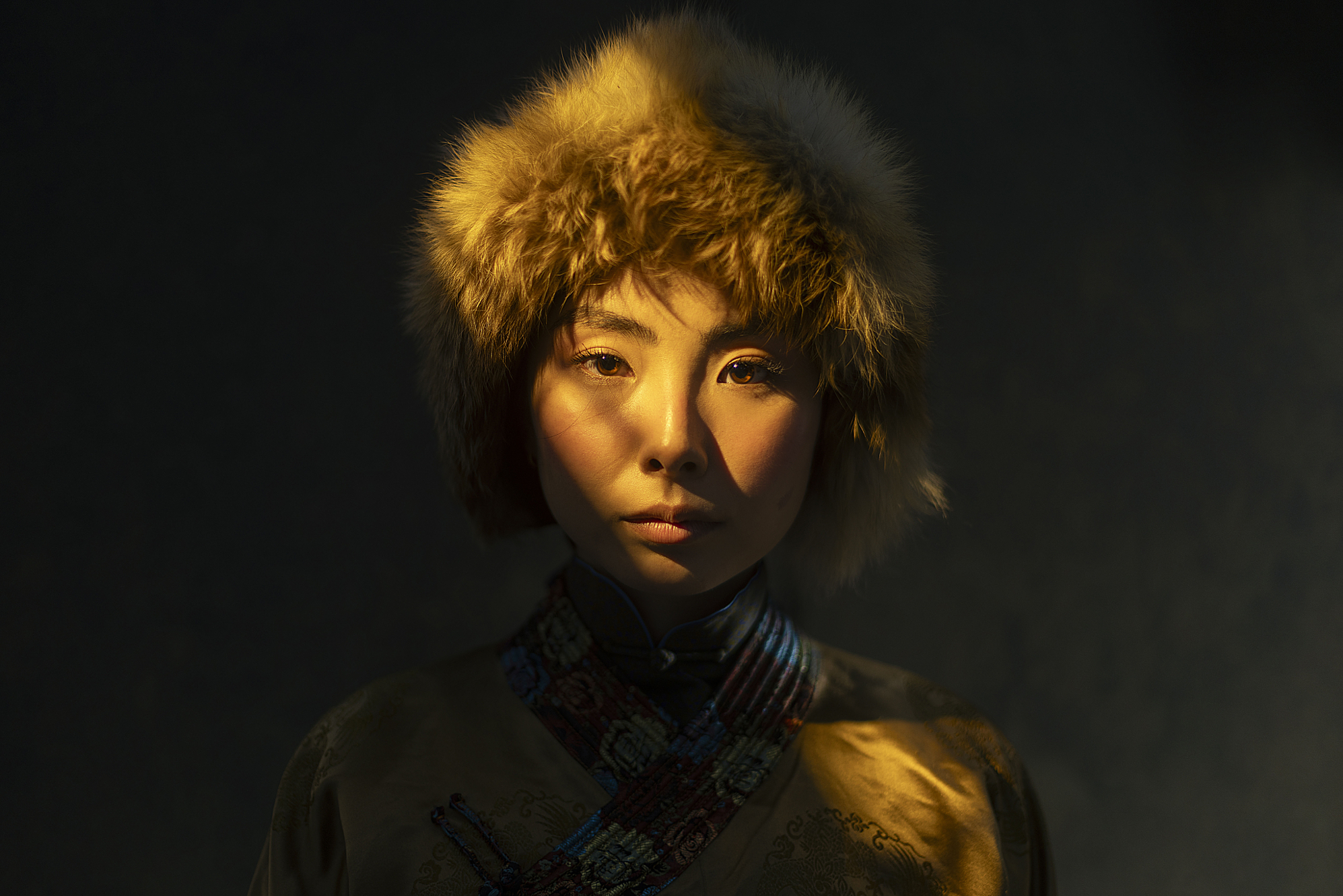
Sometimes I adapt to the existing conditions, but most of the time I build my own lighting. Control allows me to shape mood with intention.
Before every shoot, I ask myself, “What do I want the viewer to feel?”
Lighting is one of the most powerful tools to shape that emotion. In the portrait “Queen”, which won me the Photographer of the Year title, I used a single soft light source to create a timeless and original atmosphere—something that feels historical and authentic rather than overtly commercial. Limiting the light allowed the shadows to breathe, reinforcing a sense of quiet strength and depth.
In a digital world where everyone has a high-quality camera in their pocket, what do you think still distinguishes a “professional” eye from a casual observer?
I feel that professionalism is not about equipment. It is about responsibility, long-term vision, and intentional decision-making.
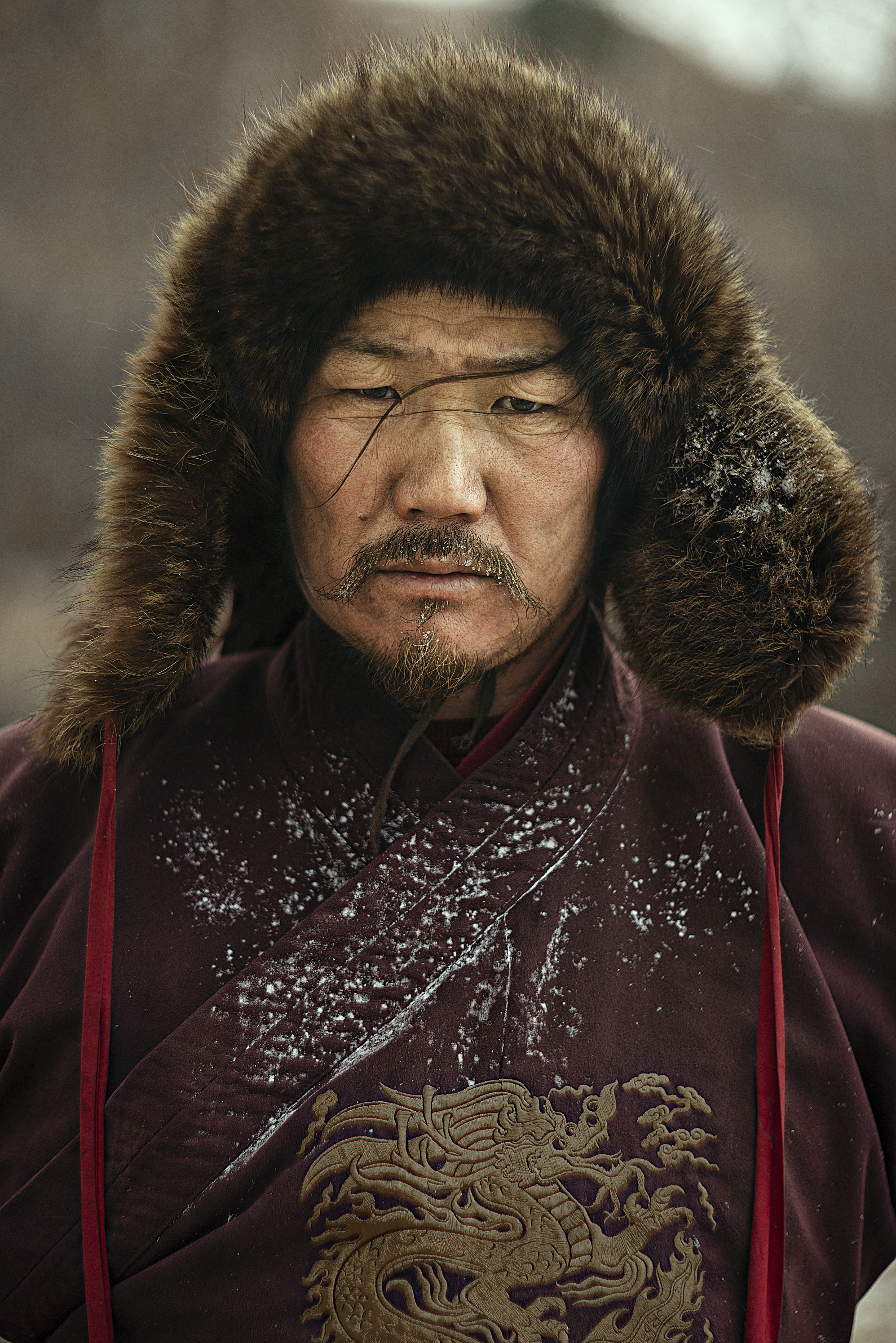
Is there a specific shoot concept or idea that you haven’t managed to photograph yet, but is currently at the top of your bucket list?
My first major goal is to present an art portrait exhibition centered on Mongolian heritage through a contemporary lens.
This is an important concept to me because, when I first began learning photography. I was very inspired by international images and wanted to travel to capture similar landscapes and people. Over time, I realized that those same visual stories exist around me—and that I can express my own environment more honestly than anyone else. Coming from a small nation like Mongolia, there’s a natural desire to let my voice be heard more clearly.
Through my work, I hope that voice resonates with audiences both locally and internationally.
Winning Photographer of the Year is a massive milestone. Do you find that this kind of recognition brings a new sense of creative freedom, or does it add a layer of pressure to keep outdoing yourself?
This recognition gives me energy. It allows me to dream on a larger scale.
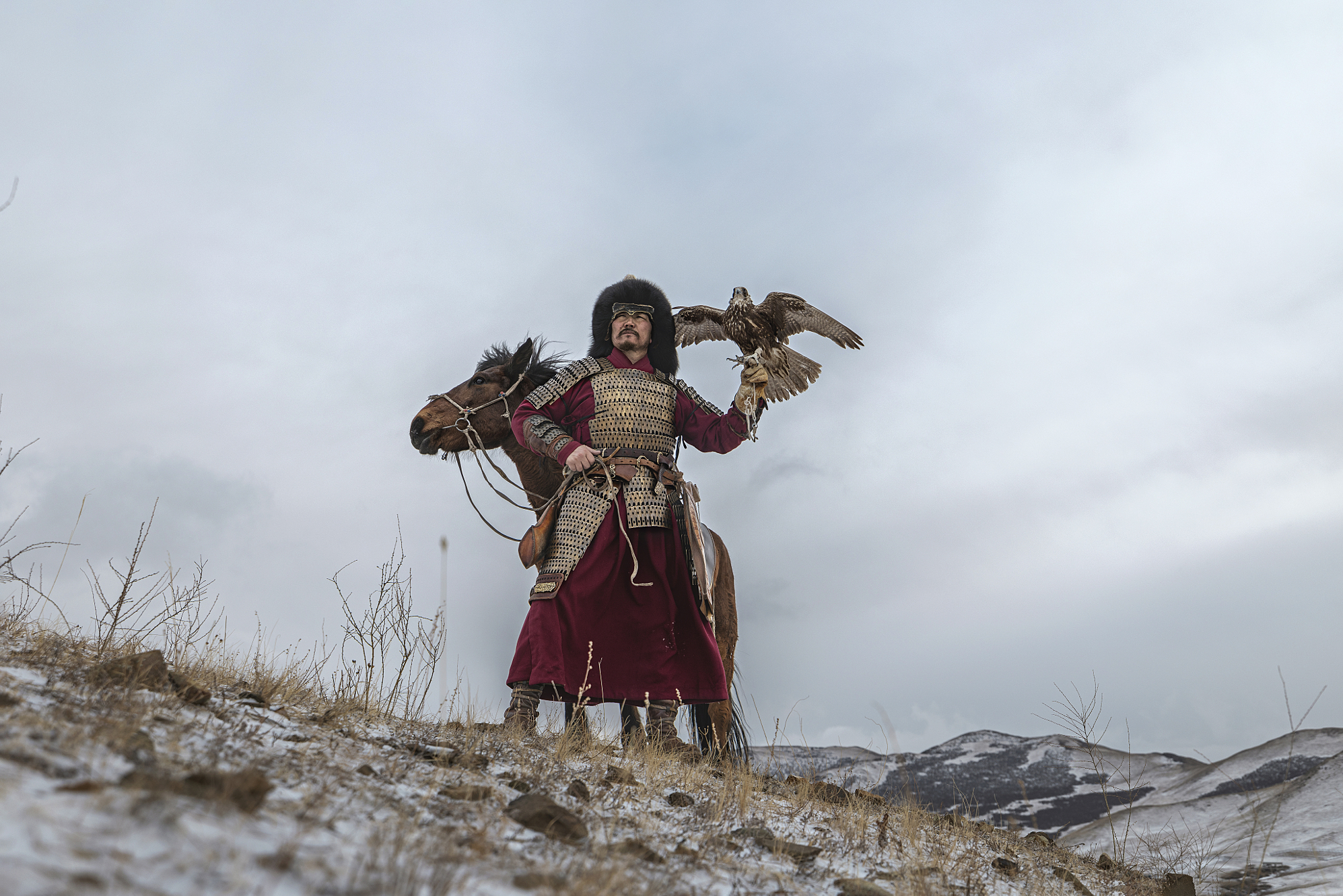
What is the best piece of advice you’ve ever received about the business of photography that had nothing to do with the camera itself?
Do not try to do everything well. Master one thing exceptionally—even if it requires sacrifice.
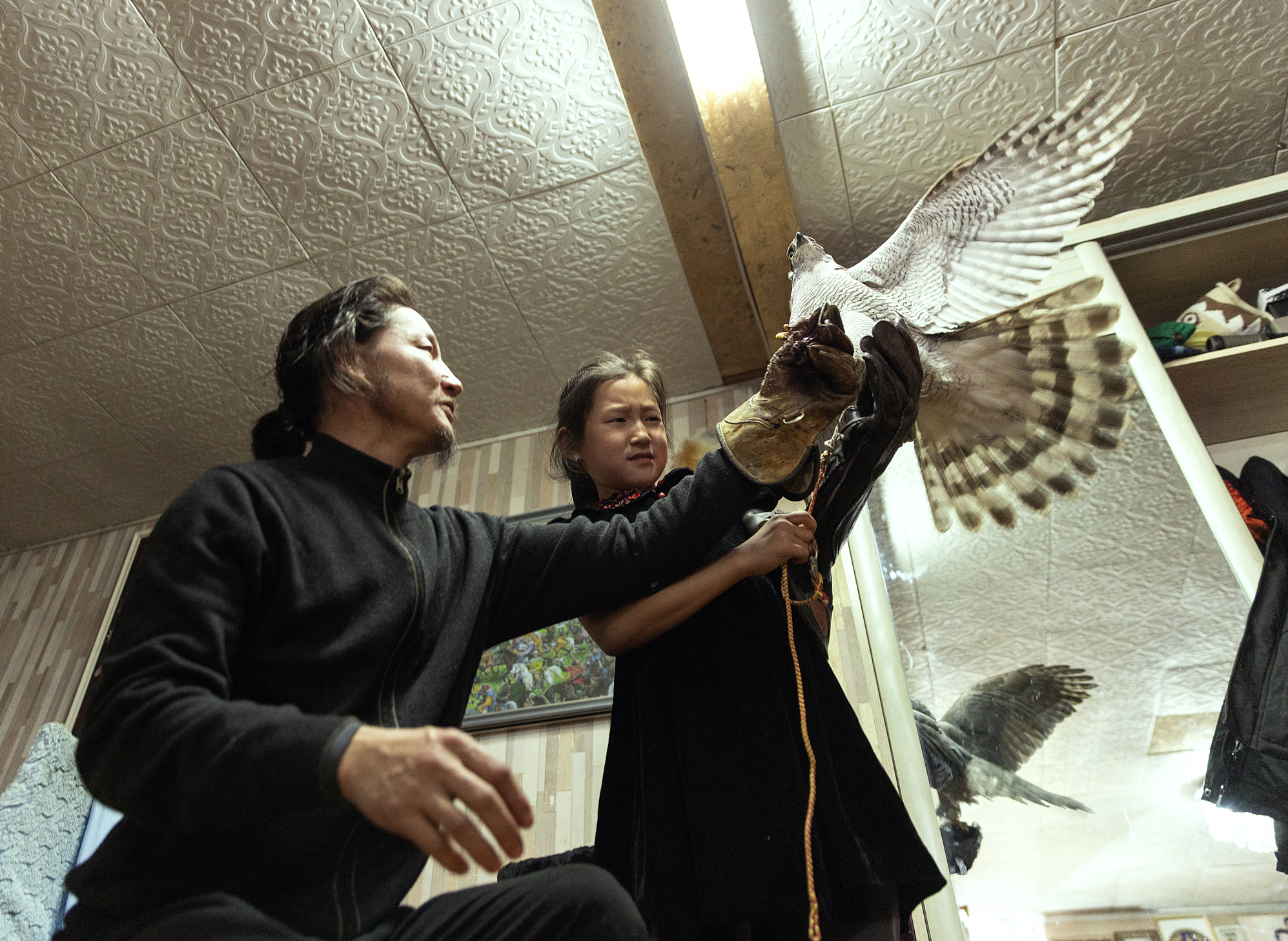
Early on, I learned that trying to master everything leads to dilution. True distinction comes from committing to one path and walking it fully. While it is possible to earn more money by producing high volumes of accessible work, I believe that originality requires focus and sacrifice.
Recognition comes from depth, not from scattering energy. I do not wish to see photography only through a business lens—for me, it is first an act of expression.
A previous featured photographer, Marco Tagliarino, asked, “How willing are you to sacrifice technical perfection to preserve the spontaneity of a shot?”
Because my process is often structured and pre-visualized, technical precision naturally follows. It is not something I sacrifice—it is built into the preparation.
Read more 500px Photographer Spotlight interviews: Marco Tagliarino
The post Ganzorig Miimaa: 500px Photographer Spotlight appeared first on 500px.