
NYC’s Housing Ballot Measures Appear to Be Working as YIMBYs Intended
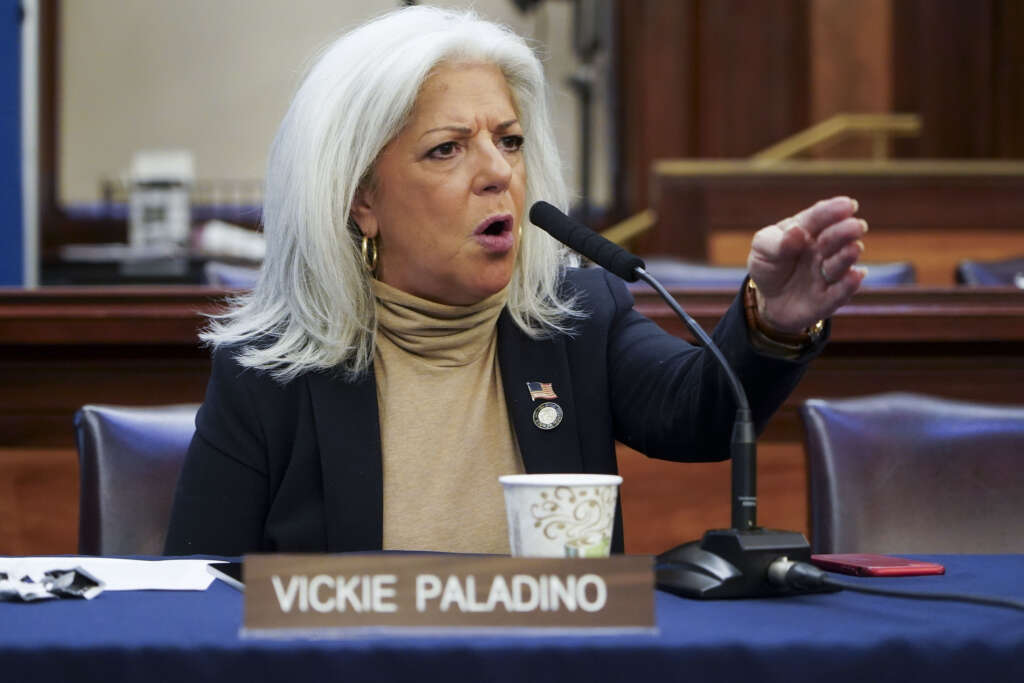
A residential housing project in Bayside, Queens, is winning the support of housing-skeptical Councilmember Vickie Paladino due the threat of a new voter-approved appeals process that could override her objections.
One person’s dream is another’s nightmare.
In Bayside, Queens, a proposal to build 248 apartments—a mix of market rate and affordable homes, plus long term care units for the elderly—is upending the politics of housing development.
The project is heralded by pro-housing groups, despite strong opposition from Republican Councilmember Vickie Paladino, whose district it’s planned for.
Yet the housing-averse Paladino voted to advance the proposal at 217-14 24th Ave.—which she does not support—under threat of an override from the city’s new affordable housing appeals board, which voters created by passing a ballot measure in November 2025.
Paladino said that the new appeals board, which can override a Council decision that rejects new affordable housing, pushed her to accept a version of the project to maintain negotiating power.
“I’m really not happy about any of this, but this is what the props were designed for—to force our hand on unpopular projects,” said Paladino in a statement to City Limits before Tuesday’s Council meeting. “I’m going to vote yes and maintain some kind of leverage on the project moving forward.”
The plan, approved by the City Council later that afternoon, could signal how new land use procedures in New York City are upending traditional housing politics. Before voters passed three housing-related ballot measures last year, lawmakers would often exercise “member deference”—where the rest of the Council would back whatever decision a local member made about a land use change in their district.
Most Council members were opposed to the ballot measures, which they said would hurt their ability to negotiate benefits for their districts in land use deals.
But affordable housing groups, as well as the Charter Revision Commission that crafted the proposals, said member deference has led to less housing being built, and fewer housing projects ever getting proposed in districts with Council members who do not want new development.
The ballot measures passed as the city faces its biggest housing shortage in several decades, fueling both rising rents and increased homelessness.
“These were intended to stop Council members from blocking all new housing out of hand. We’re now seeing that change,” said Annemarie Gray, executive director of the yes-in-my-backyard (YIMBY) group Open New York. “No neighborhood is too rich for affordable housing and here is a Council member who otherwise is saying they would have voted no, who now has to contend with a new landscape.”
The appeals board convenes the mayor, City Council speaker, and borough president, who can advance an affordable housing project that the Council rejects if it has support of two out of three board members. Queens Borough President Donovan Richards expressed support for the project in his own review.
“One of our number one priorities is to build as much affordable housing in every single neighborhood as possible. We made that clear to Councilmember Paladino,” said Council Speaker Julie Menin in a press conference Tuesday.
“It is always better when we can get Council members to be supportive of the project because if it goes to the appeals board that member’s views are really not necessarily going to be incorporated. That particular project made a lot of sense to do,” said Menin.
Under the regime of the appeals board, it appears just the threat of an override might be enough to get reluctant Council members to the negotiating table.
“I think it does change the dynamics around new development, and we’re going to have to feel it out as we go along. I think the goal now is to work towards ensuring new developments are as sensitive as possible to the neighborhood, and if you say yes to the more reasonable projects you’ll have more credibility to say no when something genuinely bad comes around,” said Paladino in a statement to City Limits.
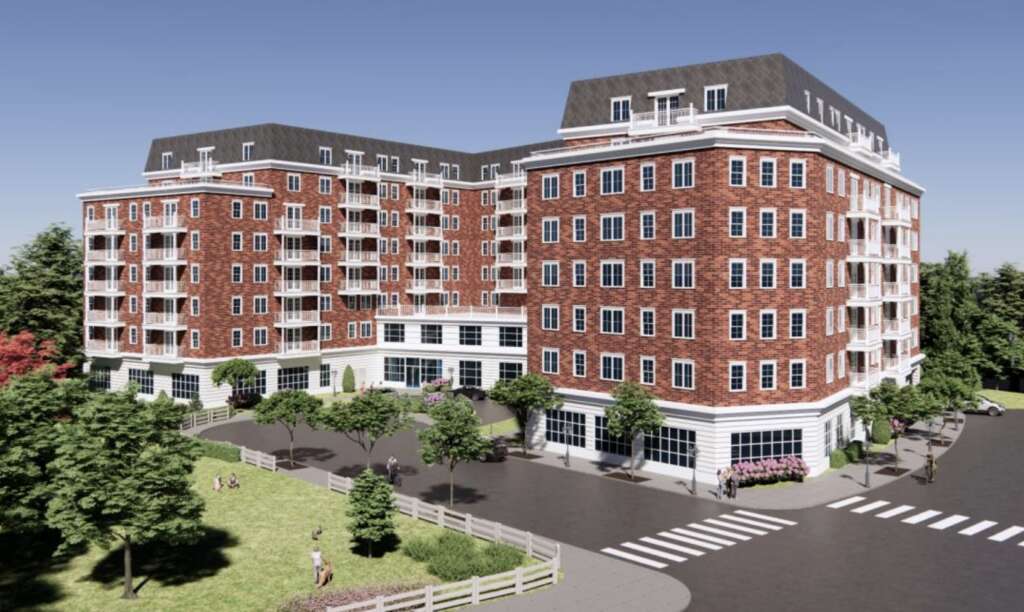
The eight-story building by Barrone Management and Apex Development will bring 183 units, 55 which will be affordable housing available to households making between $71,000 and $132,000, depending on the number of bedrooms. An additional 65 units will be long term care units for seniors.
A required racial equity report for the project suggested it will further the city’s fair housing goals in a neighborhood that is wealthier and whiter than the city as a whole, and has few existing affordable housing options. Paladino’s Northeast Queens district produced just 51 units of affordable housing from 2014 to 2023, according to data from the New York Housing Conference, ranking eighth of the city’s 59 Council districts.
Paladino said she received many more calls about developments in her district since the ballot measures passed.
“The biggest challenge is going to be helping constituents understand exactly what has changed here,” Paladino said in a statement. “There’s going to be developments happening that would’ve maybe been a hard no from me in the past.”
Mayor Zohran Mamdani has called for more housing production and the creation of 200,000 affordable homes in the next 10 years. “I’m encouraged to see this project advancing, and we’ll have more to share soon about how we plan to use every tool available to deliver deeply affordable housing—faster, at scale, and in every corner of our city,” the mayor said in a statement to City Limits.
More change could be coming as developers and neighborhoods wrestle with the rollout of the new land use procedures voters approved in the fall: last week, a project in the Morris Park neighborhood of the Bronx became the first to utilize an “expedited” land use review process
Next fall, another “fast track” land use review will go live in the 12 community districts that built the least affordable housing.
“This is just the beginning of us really seeing how many new projects are going to get built in a landscape where the balance of power is different,” said Gray.
To reach the reporter behind this story, contact Patrick@citylimits.org. To reach the editor, contact Jeanmarie@citylimits.org
Want to republish this story? Find City Limits’ reprint policy here.
The post NYC’s Housing Ballot Measures Appear to Be Working as YIMBYs Intended appeared first on City Limits.