
What Is SEO Localization? Meaning, Strategy, and Best Tools
With the continuous expansion of the global market, connecting with the right audience requires a professionally made strategy. This is when SEO localization steps in.
If you don’t know what is SEO localization and want to know the best practices to get your website ranked globally, you are on the right page. In simple words, localization SEO refers to converting your website’s content, keywords, and overall strategy based on a specific region or country.
If you are also thinking that SEO transition and SEO localization are the same, then you are wrong. In this blog, you’ll learn everything about what SEO localization means, along with some localization SEO examples and other details.
SEO Localization Meaning
SEO localization is the process of optimizing your website’s content according to a specific country or region. It is more than translating your content. In simple terms, localization means using the same language as your audience. It includes content tailoring according to your target audience’s local culture, search habits, and preferences.
It’s not just about converting English into other languages; it means using local words, including cultural habits, and optimizing cultural trends for a specific region or country.
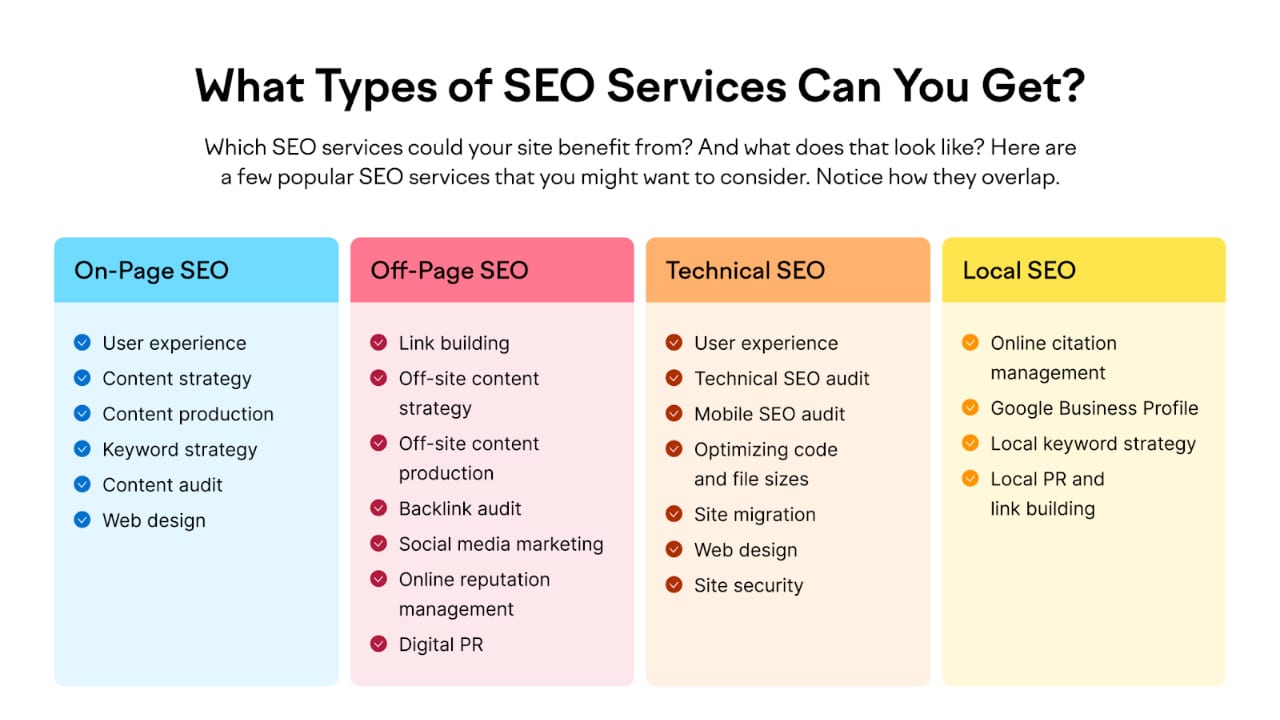
Key Elements of SEO Localization
Some of the key elements of SEO localization are as follows.
1. Local Keyword Research
People in different regions use different words for the same thing. For example:
‘cheap mobile phones’ vs “budget smartphones under 15000’
- Same language, different searches.
- Includes local slang, spelling, and price-based queries.
- Focuses on what locals actually type into search engines.
2. Language and Tone Adaptation
It’s not just translation. It’s how people speak. Content should sound like it was written by a local, not just translated.
- Adjust tone, phrases, and sentence style.
- Use familiar expressions.
- Avoid words that feel foreign or unnatural.
3. Cultural Relevance
Culture affects how users connect with content. What works in one country may not connect in another.
- Local festivals, seasons, and traditions.
- Images that reflect local people and lifestyles.
4. Search Intent Alignment
Search intent varies by location. Localized SEO matches content with local intent.
- Some users look for prices.
- Others want reviews or comparisons.
- Some prefer nearby services.
5. Local SEO Signals
Search engines rely on location-based signals. These help search engines identify the target audience.
- Country or city names in content.
- Local business listings.
- Local backlinks and citations.
6. Technical SEO Localization
Technical setup supports localization. This ensures the right content appears in the right region.
- Country-specific URLs.
- Correct language and region tags.
- Local currency, date, and time formats.
7. Localized Content Strategy
Each market needs tailored content. This improves relevance and authority.
- Country-specific landing pages.
- Local case studies or testimonials.
- Region-focused blog topics.
8. User Experience Localization
User experience influences rankings.
- Fast loading times in local regions.
- Mobile-friendly design based on usage habits.
- Navigation aligned with local preferences.
Next Read: SEO for Manufacturing Companies: Strategies to Generate High-Quality Leads
What is a Localization Strategy?
The localization strategy is a plan and strategy that helps website owners adapt the content, product, and website based on a specific region, so that users can feel connected with the native language and cultural process. Localization strategy includes:
- Target markets and regions
- Local language and tone guidelines
- Cultural preferences and content rules
- Local keyword and search behavior analysis
- Technical setup for regional versions
- Performance tracking by market
SEO Localization Vs SEO Translation
If you are thinking of SEO localization as translation, then you are wrong. SEO localization and SEO translation look similar but are very different from each other. It is not just limited to the translation of the content from English to other languages. Its impact shows a better result only when you understand the main differences between the two. Let’s understand it with the help of a table.
| Aspect | SEO Translation | SEO Localization |
|---|---|---|
| Meaning | Converts content from one language to another | Adapts content for a specific country or region |
| Main focus | Language accuracy | Local relevance and search performance |
| Keyword approach | Directly translated keywords | Locally researched keywords |
| Search intent | Same as the original market | Based on local user behavior |
| Cultural adaptation | Minimal or none | Strong cultural and contextual fit |
| Tone and phrasing | Keeps original tone | Adjusted to local language style |
| Examples and references | Same as original content | Updated to match the local audience |
| Ranking potential | Limited | High in local search results |
| User trust | Moderate | High |
| Best use case | Informational or support pages | Blogs, landing pages, product pages |
Benefits of SEO Localization

- Helps improve visibility in local search results: SEO localization works by aligning content according to a specific region, by targeting the exact keyword, and by analyzing search behaviour.
- Stronger relevance for target audiences: The relevant content directly connects with a lower bounce rate. When a customer lands on your website and finds a foreign language, the possibility of the bounce rate increases to 70%.
- Higher quality organic traffic: SEO localization attracts customers who are looking for a solution in a specific area. This leads to a higher chance that the visitors will buy the product, and will lead to lower irrelevant traffic.
- Better click-through performance: Content and search listings written in the local language lead to improved click-through rate.
- Improved on-page engagement metrics: When a user can connect with the content, the tendency to spend more time on the page and explore further increases.
- Stronger competitive position in regional markets: Many competitors depend on translated content, and by including localization, one can stand out from the crowd and generate more users.
- Increased conversion efficiency: Clear local pricing, similar terms, and information related to a specific product make it easier for users to convert.
Mistakes to Avoid in SEO Localization
- Treating localization as translation: Translation alone can’t improve the website’s performance and ranking.
- Bad keyword optimization: Using the same keywords does not fit all markets; search varies based on the markets.
- Skipping technical localization: Ignoring technical support, using the wrong URLs, and incorrect tags can confuse the users.
- Backlinking: Localized pages need local authority. Connect backlinks with the local authorized sites.
- Not tracking performance: Keeping a track of the performance helps in checking out the results of your hard work over time.
Related: What Is CloudConvert? Is It Safe To Use?
Top Websites for SEO Localization
Atlas Localization

It is a global language provider offering localization and translation services. It supports app localization, SEO keyword adaptation, and machine translation.
Pros
- Full-service localization across formats.
- Quality checks and country-specific customization.
- Experienced vendor network.
Cons
- Suitable for medium and larger clients vs smaller startups.
- The price is higher for a startup.
Milestone Localization
It is a professional translation service that comes with localization for more than 70 languages. The services include multilingual SEO, localization of UX text, and automatic translation.
Pros
- Positive client testimonials highlight responsiveness and professionalism.
- Broad language coverage and flexibility with deadlines.
- Works with businesses of varied sizes.
Cons
- Users called the support team useless.
- Problems during and after the plan’s purchase date.
- Smaller team compared to enterprise services.
Lionbridge

It is built for larger enterprises. Lionbridge is famous for handling large websites with complex workflows and multilingual content at a larger level. It has more than 25 years of experience in SEO localization.
Pros
- Good support experience.
- Handles high-volume projects.
Cons
- Can feel less personal for smaller clients.
- Prices are higher than those of other tools available in the market.
Best Practices for Building Your SEO Localization Strategy
An effective SEO localization strategy focuses on localization instead of just translation. It shows why each market should be treated as unique and how to understand it accordingly. A look at the best practise that one should follow.
Best practices to follow:
- Research each market separately instead of assuming shared behavior
- Use locally researched keywords, not direct translations
- Match content tone, examples, and references to local context
- Set up clear regional URLs and correct language targeting
- Create meaningful local pages, not thin or duplicate content
- Track SEO performance separately for each region
- Update localized content regularly as search trends change
SEO localization works best when it is planned strategically and market-specifically. If done using the right strategy, it will result in long-term growth and performance.
Related: Top B2B SEO Agencies: Beginner’s Guide to SEO and B2B SEO
The post What Is SEO Localization? Meaning, Strategy, and Best Tools appeared first on The Next Hint.