EPA’s Endangerment Finding Repeal Could Trigger a Tailpipe Rule Reset and Reshape What New Cars Look Like


The U.S. Environmental Protection Agency is preparing to repeal the 2009 “endangerment finding,” the legal determination that greenhouse gases like carbon dioxide and methane contribute to planetary warming and pose a risk to public health and welfare. That may sound like a wonky policy change, but it is the foundation the EPA has leaned on for years to justify greenhouse-gas rules across the economy. For the auto world, it is the key framework behind federal emissions standards that have shaped what new cars and trucks look like, how they’re engineered, and what they cost.
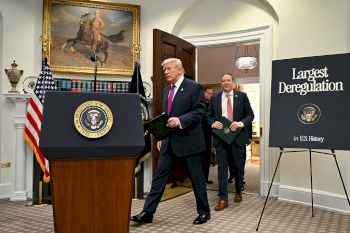
According to the White House, the rollback is being framed as the biggest deregulatory move in U.S. history, with claims of $1.3 trillion in avoided regulatory costs. The fine print still matters because the final rule text has not been released, but the direction is clear: if the endangerment finding is rescinded and the EPA also moves to remove greenhouse-gas standards for motor vehicles, the federal government’s current approach to tailpipe climate regulation could be dramatically altered.
For automakers, the immediate impact is less about what hits dealer lots next month and more about the planning cycle that stretches years into the future. Vehicle programs are locked in far ahead of launch, and emissions rules influence everything from powertrain strategy and transmission choices to aerodynamics, tire selection, and lightweight materials. If the federal targetposts move, it could reduce the pressure to chase ever-tighter fleet averages, which in theory can lower compliance spending and ease the need for pricey technology in mainstream trims.
That said, a federal rollback does not automatically mean a simpler road for new vehicles. The U.S. market is a patchwork, and many manufacturers build to multiple requirements at once, including state-level rules and global standards in Europe and Asia. Even if federal greenhouse-gas rules loosen, automakers that sell worldwide still need efficient gasoline engines, hybrids, and EVs to remain competitive and compliant elsewhere. In practice, that means product plans may not swing as wildly as the headlines suggest, especially for brands that have already invested heavily in electrification and next-generation hybrids.
Where buyers could feel it most is in the mix of options and the pricing strategy. If federal compliance costs drop, some automakers may get breathing room to keep popular V6 and V8 variants alive longer, or to slow the rate at which base trims get expensive efficiency hardware. But it can cut the other way, too: uncertainty is expensive. If court challenges drag on, manufacturers may hedge by continuing to engineer vehicles for stricter outcomes, because designing a platform twice costs far more than staying the course.
This is also a pivotal moment for EV adoption narratives. A softer federal stance on greenhouse gases could reduce the regulatory urgency behind EV sales targets, but it will not change the market forces already in play: battery costs, charging reliability, incentives that come and go, and consumer expectations about range and convenience. The likely near-term result is a bigger spotlight on hybrids, plug-in hybrids, and high-efficiency internal combustion engines as automakers aim for flexibility while they wait to see what rules stick.
For the automotive industry, the big takeaway is that the next few years could be defined less by one regulatory direction and more by a tug-of-war between agencies, courts, states, and the realities of global competition. If the endangerment finding truly falls and survives legal scrutiny, it could open the door to a new era of looser federal emissions requirements. If it does not, the attempted rollback still injects enough uncertainty to influence what new vehicles get funded, which powertrains get prioritized, and how automakers message the future to buyers who just want something efficient, affordable, and easy to live with.