Ferrari’s First EV Luce Promises a Radical Break From the Past and That’s the Point
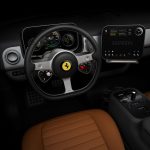
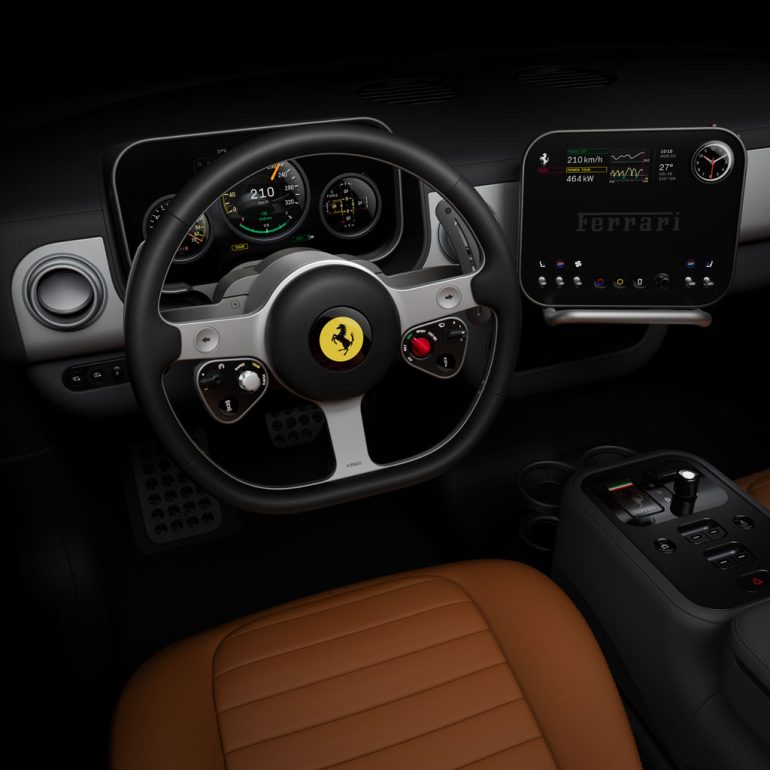
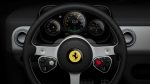
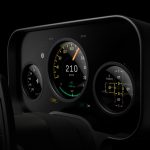
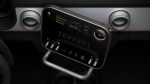
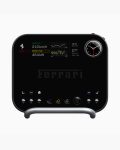
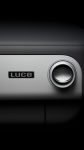
Ferrari is still keeping its first full electric model mostly under wraps, but the message coming out of Maranello is getting louder with every teaser: this is not meant to be a quiet version of an existing Ferrari. The company’s upcoming EV, now officially named Luce, is being framed as something entirely new for the brand, with Ferrari leadership going as far as calling it “completely different in every possible way” compared to anything they’ve built before. That is a big statement from a company that usually lets lap times and engine notes do the talking, and it sets a high bar for what we should expect when the full reveal lands in May in Italy.
The way Ferrari is talking about Luce is just as interesting as the car itself. One of the most telling lines to surface so far is the idea that it’s “not an electric car, but an electric Ferrari,” which is basically Ferrari planting a flag in the ground for how it wants this thing judged. The brand knows the skeptics are out there, including plenty of loyalists who still see a Ferrari as inseparable from combustion drama. Instead of ducking that, Ferrari is leaning into the challenge and trying to redefine what “Ferrari feel” means when there’s no V8 or V12 up front.
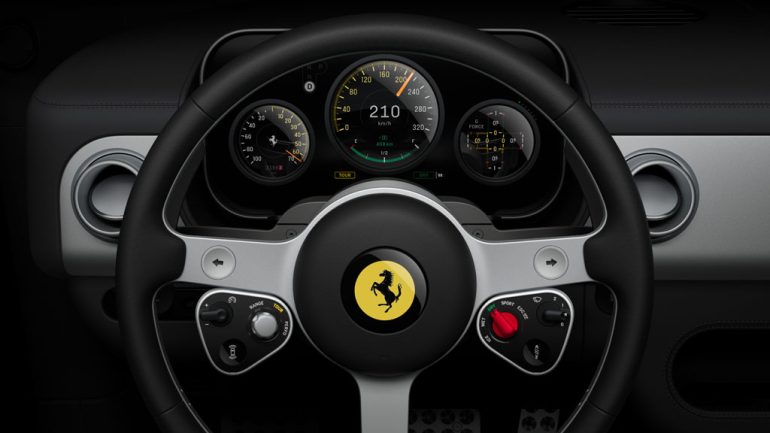
Another key part of the story is how much of Luce Ferrari says it developed in-house. The company has emphasized that the major EV components were engineered internally, including the electric axles and the battery pack, with manufacturing also planned under Ferrari’s roof for key pieces like the e-motors and the 800-volt system. That matters because the quickest way to make a first EV feel generic is to outsource the soul of it. Ferrari seems determined to avoid that trap, and it’s also a signal that the company is treating electrification as a long-term capability, not a one-off compliance exercise.
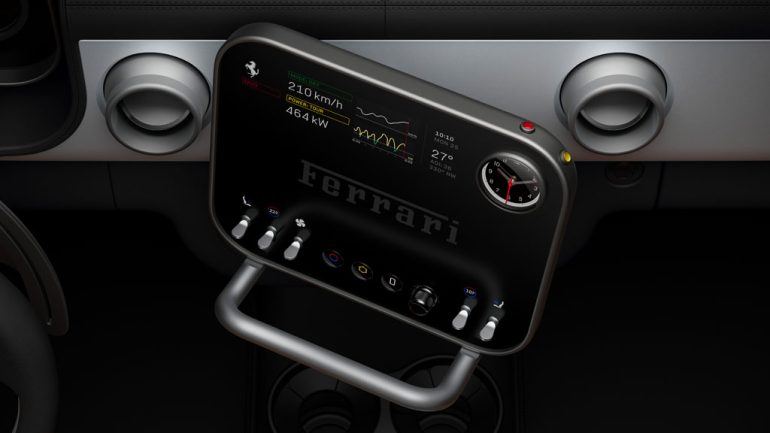
We still do not know exactly what the body style will be, but the prototype sightings and early hints point toward something with rear doors and more practicality than a typical two-seat Ferrari. Ferrari will almost certainly avoid calling it an SUV, because it refuses to label the Purosangue that way, but the bigger takeaway is packaging. A dedicated EV platform can unlock interior space that would be hard to achieve in an equally sized combustion Ferrari, and that could make Luce the most usable Ferrari yet for people who actually want to drive their car more often than they post it.
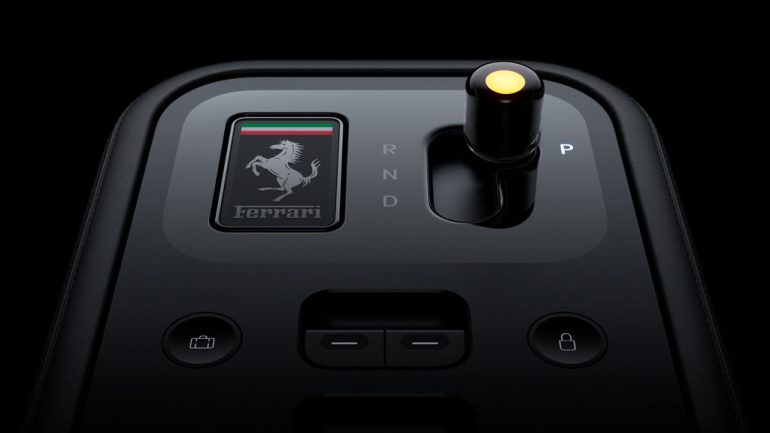
Luce also kicks off a bigger product surge, with Ferrari aiming to roll out a wave of new models through the end of the decade. In that context, the first EV is less of a novelty and more of a cornerstone. The world did not end when Ferrari built a four-door, and it will not end when Ferrari builds an EV either. The real question is whether Ferrari can translate its signature sense of occasion into an electric format, then convince both fans and fence-sitters that this is not a detour. If the brand’s confidence is even half as justified as its words, May should be one of the most fascinating Ferrari debuts in years.