
4×4 Accessories and Off-Road Vehicle Upgrades Explained
 The possession of a 4×4 vehicle opens up the door to adventure. On the rugged cliffs and slender trails to a sandy beach or the hard-to-reach backcountry road, an effective four-wheel-drive vehicle will take you much farther up the road.
However, despite the fact that a lot of 4x4s are impressive as they come out of the factory, serious off-road driving may demand more than what is stocked. That is where additional accessories and upgrades are introduced.
The answer to these questions will help off-road enthusiasts create safer, more capable, and terrain-adapted vehicles according to their preconceived plans.
The Reason Why Off-Road Upgrades Are a Necessity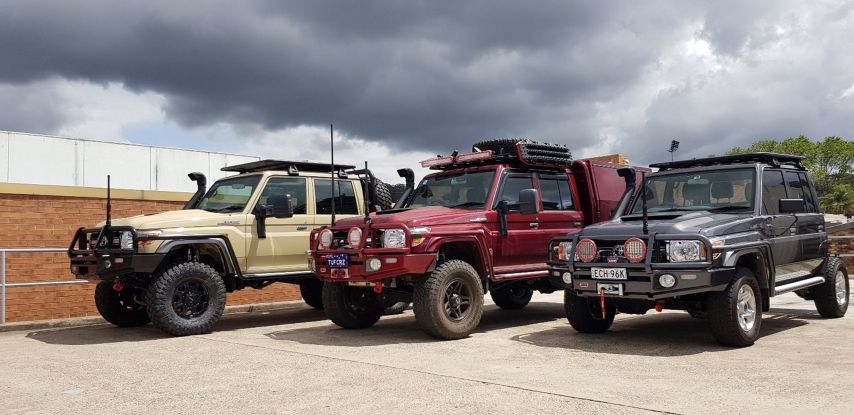
The factory-built 4×4 vehicles are built to attract a broad spectrum of drivers, including those who use them as daily commuters and those who need them for weekend adventures. They usually have to compromise between comfort, fuel efficiency, and basic off-road performance. Terrain can restrict performance when it gets more difficult.
An off-road upgrade from 4×4 Down Under solves a particular problem, like an uneven surface, steep slope, deep water crossing, or heavy weight. There is more to accessories than meets the eye; they have a direct influence on traction, durability, safety and control. To most drivers, it is an enhancement of the car to fit the surroundings of the driver and the kind of driving as opposed to taking the car to extremes.
Suspension and Lift Upgrades
The suspension system is one of the most popular upgrades of the off-road vehicles. Lift kits and better shocks enhance the amount of clearance on the ground, enabling the car to cross over the rocks, ruts and obstacles without touching the undercarriage.
Better suspension also contributes to the wheel articulation to maintain contact of tires with the ground on rough surfaces. This contact is necessary for traction in case of driving over some rocks or in deep grooves. Ride comfort on rough trails can also be enhanced by quality suspension upgrades that put less strain on not only the vehicle but also the occupants of the vehicle.
Off-Road Terrain Wheels and Tires
It could be said that the tires are the most important part of an off-road setup. Different types of ground need different tread designs and types of rubber. All-terrain tires are good for drivers who go on both roads and trails. Mud tires are best for deep, soft conditions.
When you buy new tires, you often get better wheels that are stronger and work better when the tire pressure is low. Lowering tire pressure off-road makes the vehicle more stable, and wheels that last longer help keep the vehicle from getting damaged when driving on rocks. When you’re off-road, having the right tires and wheels makes you much more confident and in control.
Protection and Armor Add-Ons
When you drive off-road, your car is exposed to hits that it would never normally face. If you don’t cover them, rocks, tree branches, and uneven ground can damage important parts. Protective gear is made to take this kind of hit and deflect it.
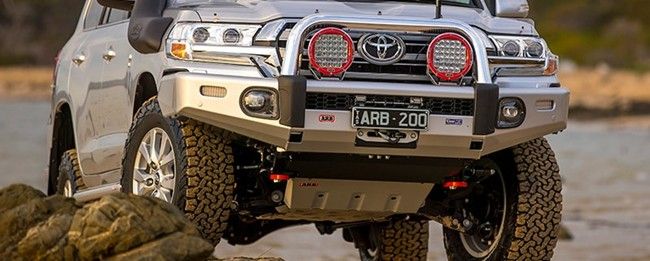
The engine, transmission, and fuel tank are protected from damage by skid plates. Rock sliders protect the sides of the car when it’s going through narrow or rocky trails. Better protection and mounting places for recovery gear can be found on bumpers that have been reinforced.
Recovery Equipment and Self-Rescue Tools
Off-road cars can get stuck, even the best ones. There are risks in mud, sand, snow, and steep ground, especially if you are going far from help. Recovery devices let drivers safely free their car without needing help from other people.
Winches are a common update because they give you controlled pulling power to get your car out of tough spots. Recovery boards, tow straps, and chains from 4×4 Down Under are all useful for getting yourself or someone else out of trouble. Having the right tools on hand can turn a possibly dangerous situation into a problem that can be dealt with.
Improvements to Lighting and Visibility
Off-road driving can make it hard to see, especially at night or in wooded places. Better lighting makes it safer and easier to see what’s going on around you when you’re hiking at night.
Extra lights on bumpers, roof racks, or A-pillars help show obstacles and features of the road that the main headlights might miss. Improvements to the lighting inside can also help you organize or fix your stuff at night. Good lighting keeps drivers from getting tired and helps them make better decisions when conditions are bad.
Accessories for Storage and Utility
A lot of the time, off-road trips need extra groceries, tools, and gear. Adding more storage space helps keep everything safe and in order, especially when going on rough terrain. Roof racks, drawer systems, and cargo organizers make the most of the room you have without putting your safety at risk.
Snorkels and other useful accessories let cars breathe cleaner air in dusty places or when crossing shallow water. On-board air systems make it easy for drivers to change the tire pressure when going from driving off-road to driving on the highway.
The post 4×4 Accessories and Off-Road Vehicle Upgrades Explained appeared first on Gauge Magazine.