
Loud vs Quiet Toyota 86 Exhausts: Finding the Right Balance
 Upgrading the exhaust is one of the most popular modifications for Toyota 86 owners. The car’s naturally aspirated boxer engine has a distinctive tone, and the right exhaust can transform how it sounds and feels to drive. The challenge is deciding how loud you actually want to go. Too quiet and the upgrade feels underwhelming. Too loud and it can become tiring, attract unwanted attention, or cause issues with road regulations.
If you are researching Toyota 86 exhausts, finding the right balance between volume, tone, and everyday usability is key.
Why Exhaust Sound Matters on the Toyota 86
The Toyota 86 is not about brute horsepower. It is a driver-focused car built around balance, throttle response, and engagement. Sound plays a big role in that experience.
A well-chosen exhaust adds character without overpowering the cabin. It should enhance the engine note, not dominate it. Many owners want a deeper, sportier sound that comes alive under throttle but settles down during cruising.
The wrong exhaust can introduce drone, rasp, or excessive volume that detracts from what makes the 86 enjoyable.
What Makes an Exhaust Loud or Quiet?
Several design factors influence how loud an exhaust system will be.
Muffler size and design have the biggest impact. Larger mufflers with more internal baffling reduce volume and smooth out sound. Smaller or straight-through mufflers increase volume and aggression.
Pipe diameter also plays a role. Larger diameter piping allows more exhaust flow and often increases volume, especially at higher RPM. Smaller diameters tend to be quieter and more controlled.
Resonators are another important factor. Exhausts with one or more resonators usually sound smoother and reduce rasp. Systems without resonators are often louder and sharper, particularly on cold start.
Loud Toyota 86 Exhausts: Pros and Cons
Loud exhaust systems are often chosen for their aggressive character. They bring the car to life and make acceleration feel more dramatic.
The upside is obvious. A loud exhaust delivers a strong presence, especially during spirited driving. It can enhance throttle response feel and make the car more exciting on back roads or track days.
The downside is daily drivability. Loud Toyota 86 exhausts can produce drone at highway speeds, which becomes tiring on longer drives. Cold starts can be very noisy, which is not ideal in suburban areas or early mornings.
There is also the issue of legality. Some louder systems can exceed noise limits, depending on how they are set up and where you drive.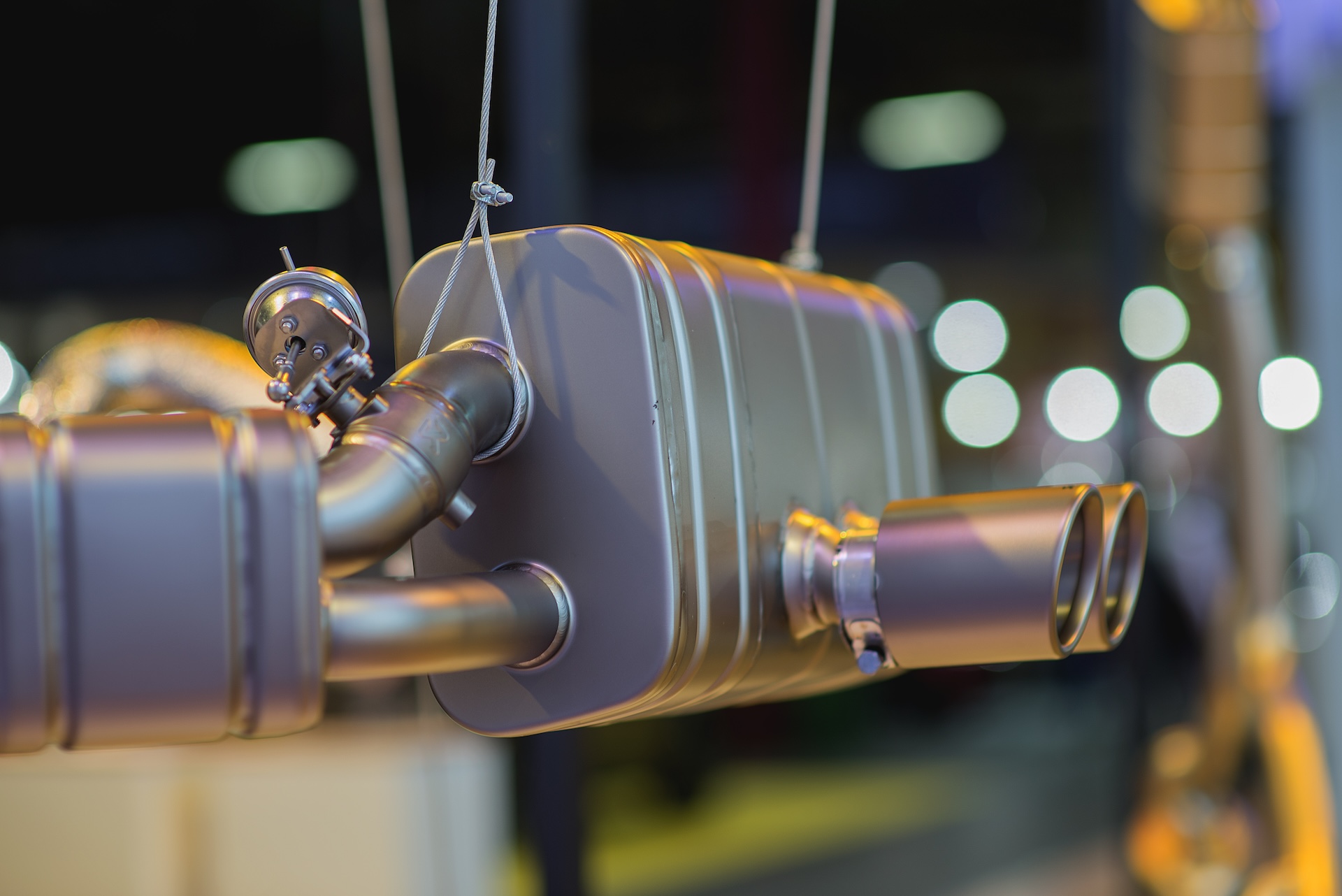
Quiet Toyota 86 Exhausts: Pros and Cons
Quiet or mild exhaust systems focus on refinement rather than volume. These setups aim to improve tone without dramatically increasing noise.
The main benefit is comfort. A quieter exhaust is far easier to live with day to day. Highway cruising remains calm, conversations are easy, and long trips are less fatiguing.
The trade-off is that some owners feel quieter systems do not deliver enough of a change. If the goal is a dramatic sound upgrade, a very mild exhaust may feel too close to stock.
That said, many quality quiet exhausts still offer a deeper tone and improved character, especially under load.
The Middle Ground: Balanced Exhaust Systems
For most Toyota 86 owners, the ideal option sits somewhere between loud and quiet. Balanced exhaust systems are designed to be civil when cruising and expressive when driven hard.
These systems often include resonators and well-designed mufflers to control drone while still allowing the engine to breathe. Under light throttle, they remain restrained. Under heavy throttle, they open up and sound purposeful.
This balance is especially important for a car like the 86, which is often driven daily but also enjoyed on weekends.
Cat-Back vs Axle-Back Exhausts
The type of exhaust upgrade also affects sound levels.
Axle-back exhausts replace only the rear section. They are usually cheaper and easier to install, but the sound change can be limited or, in some cases, unexpectedly loud due to minimal sound control.
Cat-back exhausts replace the system from the catalytic converter back. They offer more control over sound tuning and often deliver a smoother, more refined result. For Toyota 86 exhausts, cat-back systems are popular because they strike a better balance between performance, tone, and volume.
Considering Your Driving Style
How you use your Toyota 86 should guide your exhaust choice.
If the car is a daily driver, quieter or balanced systems make more sense. They add character without compromising comfort. If the car is a weekend toy or track-focused build, a louder exhaust may be more acceptable.
Think about cold starts, motorway driving, and how often you carry passengers. What sounds great for a short drive can feel very different over time.
Local Regulations and Noise Limits
Noise regulations vary by location, and it is important to factor this into your decision. Some exhaust systems may sound fine in isolation but still exceed legal limits under testing conditions.
Choosing a reputable exhaust brand with clear specifications helps reduce the risk of compliance issues. Adjustable systems or setups with removable silencers can also provide flexibility.
Final Thoughts on Choosing the Right Toyota 86 Exhaust
Loud versus quiet Toyota 86 exhausts is not about which is better overall. It is about what suits your driving habits, environment, and expectations.
A well-balanced exhaust enhances the natural character of the car without introducing unwanted drawbacks. By focusing on tone, drone control, and real-world usability, you can find an exhaust that makes every drive more enjoyable without sacrificing comfort or practicality
The post Loud vs Quiet Toyota 86 Exhausts: Finding the Right Balance appeared first on Gauge Magazine.