How to Spot Top Used Car Deals at Car Dealerships
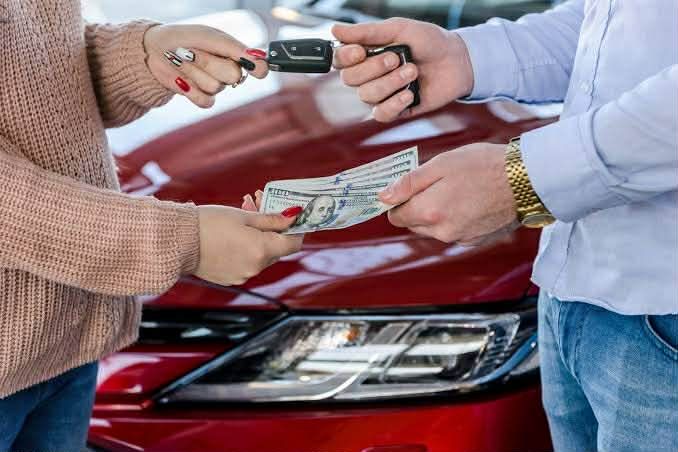 You walk onto a lot, see big red “Sale” stickers on windshields, and your pulse kicks up a notch. Is this your lucky day, or are those numbers just bait to drag you into a bad decision? If you have ever stared at used car deal signs and thought, “I hope this is real,” you are in the right place.
Buying pre-owned can be smart. You avoid that first hit of depreciation and still get a great ride. But you need more than flashy stickers and smooth talk to know you are getting a strong deal.
You are about to see what actually matters behind all that advertising. We will walk through real signs of value, how good dealers think about signs and promotions, and how you can read both the windshield and the fine print. So you leave with a car you feel good about, not a monthly payment you regret.
Why Used Car Deal Signs Feel So Confusing
There is a reason those bright tags and hang signs grab you. They are designed to act as a powerful visual hook. Dealers spend a lot of time and money on visual marketing, from big banners to tiny key tags.
Sites like USAutoSupply.com stock tens of thousands of auto products for dealers. We are talking windshield stickers, lot banners, price tags, service signs, and even promotional products. This sheer volume of available sign sku options tells you the sign game is serious business.
Every auto dealership relies on these tools to capture your attention. That is good for visibility, but it can be bad for your budget if you let the sign make the choice for you. Your goal is simple: use the signs as clues, not proof. If you are looking for a dealer you can trust visit Enterprise Motor Group.
The Role of Exterior Dealership Signs
Before you even look at a car, look at the lot itself. The condition and type of dealership signs say a lot about the business. A professional store invests in high-quality channel letters for their main building signs.
If they use bright led signs or backlit signs, it shows they want to be seen clearly at all hours. You might spot a digital sign near the road updating the latest specials. This level of investment usually implies they plan to be around for a long time.
Look at the organization of the parking lot. Are the rows marked with clear pole banners that help you find what you need? Does the car lot use clean feather flags to highlight entrances, or are they ripped and faded?
Temporary signage like a sidewalk sign or a roadside message board should look professional. Even simple yard signs directing traffic can indicate attention to detail. If a dealer utilizes professional banner stands and maintains their led sign, they likely maintain their cars too.
5 Real Signs You Are Getting A Good Used Car Deal
The words on the sign are one thing. The numbers and details behind that sign are something else. Here are the used car deal signs that actually matter.
1. The Price Lines Up With Real Market Data
If a sign says “Huge markdown” you want to know, compared to what. That is where market value comes in. You can check real pricing yourself in minutes.
Pull up trusted pricing tools at home before you walk on the lot. Check what similar cars with similar miles go for. Then see how that number compares to the vehicle deal painted across the windshield.
| Tool | What It Helps You See |
| Kelley Blue Book | Typical listing and trade values by trim, year and mileage |
| Edmunds | Average prices based on recent transactions in your area |
| NADA style guides | Values banks and lenders use on older models |
A real discount shows up when the lot price sits under those ranges, and the car is still in solid shape. A price far above the range means that “deal” might just be a headline. A price far below can also be a warning, so always ask why.
2. The Sign Matches The Sticker, The Sheet, And The Paperwork
A good dealer is consistent. The price on the big hang tag, the smaller side sticker, and the sales sheet inside should match. If the numbers on the car window differ from the website, that is a problem.
Take a quick walk around the vehicle and check every spot with numbers. Look at the dash sheet, the buyer’s guide, and any temporary sign on the windshield. They should all tell the same story.
If the salesperson starts “re-checking” and prices jump, that is not an accident. Good stores invest in clear labels and printed forms from suppliers like Sid Savage, who even organize their site into areas such as Advertising and Sales and Windshield Marketing for this reason. They want it to be clear for both staff and customers.
3. The Discount Still Makes Sense After Financing
A windshield might scream “Low monthly” but the deal can get wrecked in the finance office. A fair sign includes the total cost, not just the payment. So you want to look at the whole package.
Three things matter here. The interest rate, the term length, and the amount you put down. Dealers that care about long-term trust will walk you through all three, slowly.
If you see “Zero down” in huge print, ask what rate and how many months. Sometimes a basic bank or credit union beats in-house offers by a lot. Some owners build their own lender sheets and tracking using a used car business plan template or similar tools, and the smart ones make sure their offers stay close to market so repeat buyers come back.
4. The Sign Is Clear About Fees, Not Hiding Them
A clean deal has a clear breakdown of the numbers. That is one of the most important used car deal signs you will ever see. Any big promo that leaves out key details deserves a hard look.
Ask to see a full buyer’s order before you agree to anything. You want to see price, taxes, doc fees and extras, line by line. Good dealers use structured forms, often from outfits like auto deal jackets providers, so there is a clear trail on each car.
Pay attention to mandatory regulatory signs posted in the office. These often outline your rights regarding fees. Buyers guides must be visible on every used car by law.
If you keep spotting new “must-have” add-ons that were not mentioned on the lot sign, that is a red flag. Walk away if they will not clean it up. You are the one making the payment every month, not the sign maker.
5. The Condition Backs Up The Price On The Window
Condition is where fantasy meets reality. You can have a huge “Manager special” banner on a car that should be headed to auction. Or you can find a low-key ride with fair tags and a very strong history.
Check the outside for mismatched paint, panel gaps and cheap repairs. Open the doors and look at seat wear and smells. They should have used quality detailing supplies to prep the vehicle.
Then, go deeper. Ask for a full history report. Many dealers fold this into their basic process now because customers expect it. If the report shows clean ownership and routine service, the number on the sign starts to look real.
Inside the Showroom: What Signage Tells You
The vibe inside the auto dealership building matters as much as the lot. When you walk in, do you see professional banner stands or peeling posters? Clean, custom displays often indicate a well-managed team.
Look at the desks. Are there professional business cards available for every staff member? You might see promotional items like car hats or license plate frames neatly displayed. This suggests pride in their brand.
Small touches count too. During the holidays, seeing holiday cards or seasonal greeting cards on a desk can show they value client relationships. Even the quality of the paper from their laser printer can signal professionalism.
In the waiting area, check for organization. Are there social distancing markers or floor decals that, even if old, show they once cared about safety compliance? Do they have a clear process for key storage, perhaps using organized tags key systems or specific key tags key management boards? These small dealership signs of organization usually mean they won’t lose your paperwork later.
Service Center Signals: The Hidden Indicators
If you really want to judge a dealer, ask to see their service center or body shop. The signage here is purely functional, which makes it honest. A chaotic shop often means chaotic inspections.
Look for organization tools like repair order holders attached to vehicles. Technicians should be using plastic covers on seats to keep cars clean. You might see job time tickets or job time clocks that track efficiency.
Good shops use visual aids. You will see oil change stickers and service reminders ready to go out. Signs pointing to drop boxes for after-hours keys show they think about customer convenience.
You can even tell a lot by the supplies they buy. Seeing boxes of specific repair order holders repair shops rely on implies they buy professional grade gear. Consistent use of order holders repair order forms helps them track vehicle history accurately.
The presence of durable order holders repair technicians use shows they invest in their team’s equipment. Even the specific holders repair order documents are kept in can be a sign of a tidy workflow. High-quality holders repair staff utilize prevent lost instructions and mistakes.
How Good Dealers Use Signs To Signal Real Value
Here is something most buyers never think about. The same signs that catch your eye are also signals about the dealer’s own process. Good operations use signs to support honesty, not replace it.
Smart Visuals, Not Just Loud Colors
Some lots feel like a circus. Every car is covered in arrows and neon, and you have no idea where to look. The better stores stay organized.
They may use hang tags and banners from brands like Sid Savage or visual firms such as Image360, but there is a pattern to it. CPO cars have one color, fresh trades have another, specials are grouped in one row. You can actually tell what is going on with a single glance.
That kind of structure usually reflects a solid back office. If the front end looks cared for, there is a good chance the reconditioning and inspection steps were handled with the same mindset. It is one of those subtle used car deal signs most people miss.
They Use Signs To Explain, Not To Hide
Look for small educational signs near the office or service lane. Things like simple charts that explain warranties or tax credits. For example, as federal rules change, some dealers now post quick notes about EV and hybrid credits and link out to articles, like the recent EV tax credit updates at the point of sale.
Dealers that are proud of their process will often show that work in print. Maybe there is a sheet on each car that lists what was inspected and repaired. That printed transparency beats any “too good to be true” number in paint.
How To Read Lot Signs Like An Insider
Once you know what you are looking at, the whole lot feels different. Instead of just colors, you see information. You notice what other shoppers walk right by.
Color Coding And Rows Tell A Story
Pay attention to which cars share the same sign style. All recent arrivals might use a yellow tag. Certified or “fresh service” units might have a different border color or shape.
Dealers buy entire sign kits through vendors such as advertising supply partners and then match them to stages in their process. So a small “Just arrived” rider might mean the car has not been through service yet. You can still look, but you should wait to buy until inspection is complete.
Cars parked right up front with bold, simple price tags are usually there on purpose. Either they are leaders meant to bring in traffic, or they are long stock the dealer is ready to move. Both can be an advantage if you know your market numbers.
Watch The Language On The Sign
Words like “As is” should snap your attention. So should very small print next to “Warranty included.” Grab your phone and snap a picture if needed, then compare it to the paperwork later.
If the sign uses very general terms, push for details. “Free service plan” means what, exactly. Oil changes only, or real parts and labor.
The best dealers spell these things out, and some will back that up with printed flyers made by pro sign companies like FASTSIGNS for auto dealers. If they take the time to make those clear, there is a good chance the actual program has some real value.
Behind The Scenes: How Dealers Plan Those Signs
There is a strategy behind those printed numbers. Stores that take marketing and margins seriously plan this well in advance. They look at software dashboards, monthly traffic and profit per car, then design signs to fit.
Many owners use a car deal strategic plan template or CRM tools to map out sales pushes by month. Slow season might bring out heavier price tags and banners. Tax refund season may lean more on payment based signs and quick trade pushes.
New dealers often lean on how-to guides, such as this guide to starting a used car dealership, which stress that clean, clear signage beats gimmicks over time. If the store you are on follows that advice, it shows. The lot looks structured, not desperate.
Digital Signs And Social Proof
Signs are not just cardboard anymore. Some dealers extend their deals right onto your feed. They might run the same offers on their socials that they post across windshields.
Look them up online before you visit. Strong stores plan content with tools like a used car social media marketing plan template so the promos line up across channels. If their feed is clear and consistent, there is a better chance their in-store offers are real too.
You can also spot repeat themes. If the same truck has been “Just reduced” three times this month in different posts, that is a story in itself. Time might be on your side during negotiation.
Simple Checklist For Spotting Honest Used Car Deal Signs
You do not need to memorize everything. Use a simple mental checklist while you walk the lot. If most of these answers are yes, you are probably on safer ground.
- Does the sign price match the printed price and the online listing.
- Does the price sit within normal ranges from KBB and Edmunds for that trim and miles.
- Is the discount explained, such as “Dealer demo” or “High mileage” with details.
- Are add ons clearly listed, not dropped into the paperwork at the end.
- Can they show you a clear history report on the car.
- Are service and inspection steps documented on paper or digitally.
- Does the monthly payment offer come with rate and term info, not just a number.
You do not need a perfect score. But if most of your answers land on no, trust your gut. There are plenty of other dealers that would love your business.
How Dealers Stock The Signs You See Everywhere
It might sound strange, but learning where dealers get their signs can also help you read the lot. Shops that care about how they present the store usually invest in better tools and training too. It all rolls together.
- Suppliers like Sid Savage keep a massive range of lot and office gear, broken out into sections like detailing products, flags for the lot, license plate accessories and basic shop supplies. Dealers that keep their space stocked and clean usually think long term about their brand. They may even order in bulk to get free shipping, which shows they manage costs wisely.
Others build out their kits through sources like hang tag suppliers and window sticker vendors so every unit shows consistent info. Some might order custom printed forms to ensure accuracy. Still others lean on more advanced marketing and technology from places such as Turbo Marketing Solutions to test what kinds of messages shoppers respond to before they ever hit the printer.
Why does that matter to you. Because sloppy signs and half-peeled stickers usually reflect deeper sloppiness. Sharp, clear signage backed by organized paperwork usually reflects real effort behind the scenes.
In Summary
You have seen plenty of bright numbers on glass before. But now you know how to read beyond the paint and spot the used car deal signs that really count. Price that matches the market, clear paperwork, honest condition notes and fair finance terms are what actually protect you.
Lot signs are helpful, but they are not your final answer. Your research, your questions and your comfort with the total cost matter far more. If a dealer’s signs match their behavior and the facts on paper, that is a store worth working with.
Take this mindset with you on your next visit. Treat signs as the first hint, not the full story. Do that, and those bright offers start working for you, not against you.
The post How to Spot Top Used Car Deals at Car Dealerships appeared first on Gauge Magazine.