
When a Stretched Swingarm Build Meets the Asphalt Before It Ever Makes the Show
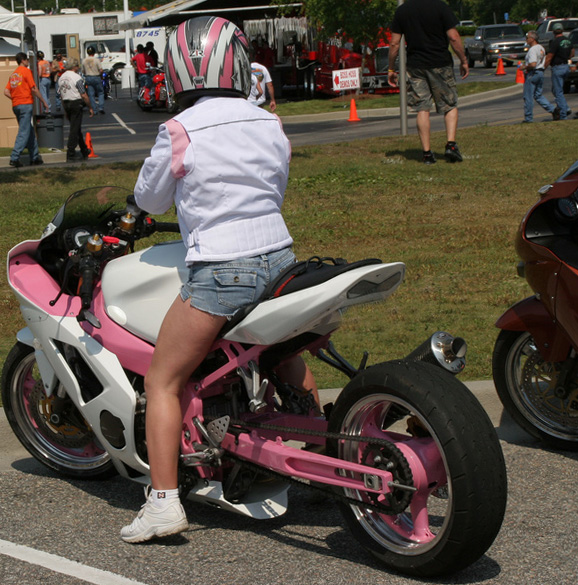
A stretched swingarm build carries a special kind of pride because it reflects weeks of planning, careful adjustments and the excitement that comes with imagining it parked among other custom machines. Riders often put their heart into every detail since the bike becomes more than a ride. It becomes a statement about their skill, patience and creativity. That is why the moment everything changes can feel unreal, especially when trouble arrives before the bike ever reaches its first show.
Many riders can relate to working late nights in the garage and thinking about the moment the freshly polished frame hits the sun. The finishing touches inspire a sense of accomplishment that pushes the builder forward. When an unexpected crash interrupts that anticipation, the emotional hit can be just as heavy as the physical one. The pride that once fueled the project turns into a reminder of what could have been before the asphalt put a harsh stop to the dream.
When A Crash Interrupts What Felt Like Progress
According to Donaldson & Weston, motorcycle accidents strike fast and leave riders with little time to react, especially when they happen during a test ride or early shakedown. A stretched swingarm changes the way a bike behaves, so the testing phase becomes crucial. Riders know they must treat those first miles with caution. Even then, hazards on the road or careless drivers can cause a sudden loss of control that sends the build sliding across the pavement before it ever gets a chance to shine.
The aftermath of a crash brings a type of frustration that goes beyond damaged parts. Injuries add to the shock, especially when they affect the rider’s ability to return to the garage. Bruises, sprains or more serious harm slow down progress and can set the entire project back for months. Instead of celebrating the first successful run, the rider ends up dealing with doctor visits and recovery time while staring at a bike that never reached its full potential.
The Work Behind Every Custom Build
Custom bikes with stretched swingarms require patience because even small adjustments influence stability and balance. Builders spend hours checking alignment, adjusting chain tension and making sure the extended wheelbase responds the way they expect. That level of commitment becomes part of the bike’s identity. When a crash happens so early, it feels like the effort meant nothing. However, many builders understand that the work they put in still matters, because every repair relies on what they learned during those long nights.
Plumbers deal with a similar type of hands-on focus even though their trade seems far removed from custom motorcycles. They face problems that require steady attention and a willingness to solve complicated issues under pressure. A plumber knows that one overlooked connection can cause a major failure later. Riders approach their builds with the same attitude. They inspect every part because they want a machine that handles well and reflects the care they put into it.
Why Patience Matters When Starting Over
Rebuilding after a crash demands patience because emotional frustration can lead to rushed choices that make the project harder. Riders often need a moment to accept that the bike will not look the same as it did before the accident. However, once they step back and study the damage, they can map out a path forward. Some parts may be salvageable while others require replacement. That process mirrors the discipline required in trades where fixing something properly takes time.
Although the crash can feel discouraging, it also gives riders a chance to strengthen the bike. A rebuild allows them to review previous choices and improve weak points. Many builders use this moment to refine their setup, reinforce components or try new ideas that they did not consider during the first version. Tough moments sometimes push people toward better results because they return to the project with clearer priorities and a stronger vision.
Staying Focused While The Ride Is Out Of Commission
A long rebuild can leave riders restless, especially when the bike once represented an exciting goal. Staying focused requires channeling that frustration into steady progress, even if each step feels small. Cleaning salvaged parts, comparing options for replacements and checking alignment during reassembly provide a sense of momentum. It may take weeks or months, but each hour in the garage brings the project closer to the road again.
Talking with other builders can also make the process easier because they understand the emotional roller coaster that comes with a sudden setback. Many riders share stories about their first major crash and how it changed their approach to safety and structure. These conversations help remind the builder that accidents happen to experienced riders too. The important part is returning to the project with determination rather than letting the disappointment take over.
Bringing The Build Back To Life
The day the rebuilt bike rolls out of the garage carries a different type of pride. It represents more than creativity. It reflects resilience, effort and the decision to keep going when the project felt lost. That feeling stays with builders long after the repair is complete because they know what it took to revive something that once seemed ruined. When the bike reaches its first show or gathering, the story behind it becomes just as meaningful as the final design.
A stretched swingarm build that meets the asphalt before it ever makes the show forces a rider to face challenges they never expected. Yet the process of rebuilding shapes them into a more aware, patient and confident builder. The asphalt may have interrupted the journey for a moment, but it did not stop the vision. The project lives on because the person behind it chose to rise after the fall, and that decision becomes the true highlight of the build.
The post When a Stretched Swingarm Build Meets the Asphalt Before It Ever Makes the Show appeared first on Gauge Magazine.
