
Digital Signage Ideas for Modern Car Dealerships
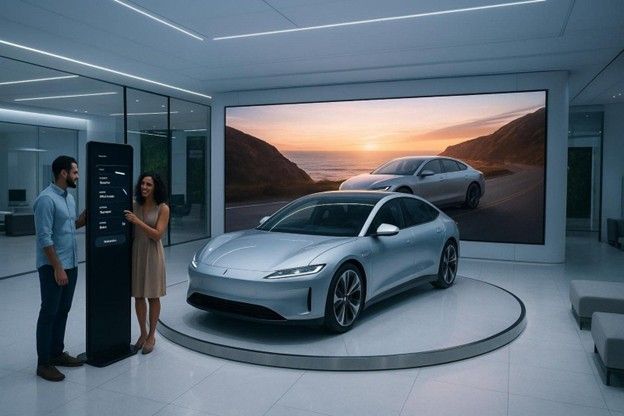 In today’s car market, the best digital signage ideas for dealerships focus on smoothly connecting a customer’s online research with their in-store visit. Key methods include using interactive vehicle configurators, showing live inventory updates, giving clear service status tracking, and displaying personalized welcome messages for booked appointments.
By turning a static showroom into a dynamic “brand theater,” dealerships can ease common buyer worries and turn a usually stressful visit into a fun, high-tech experience. Using professional car dealership digital signage can capture up to 400% more views than printed posters, helping every promotion and product highlight get noticed.
Today’s car-buying path is a mix of online and in-person steps. Many shoppers start on their phones or computers, but about 61.4% still prefer to close the deal at a physical dealership. At the same time, 87% of Americans say they dislike at least one part of the classic showroom process, often mentioning haggling and paperwork as big pain points.
Digital signage helps solve these problems by offering clear information, entertainment, and a modern feel that quickly builds trust with visitors.
What Is Digital Signage for Car Dealerships?
How Does Digital Signage Work in Automotive Showrooms?
Digital signage in a dealership is a group of centrally controlled electronic screens used to show HD video, live data, and interactive content. Unlike printed banners that are useless as soon as prices change or a car sells, digital signs run on software that lets you update content instantly.
Most systems use a media player connected to a screen that pulls content from a cloud-based management platform. A sales manager can update a “Deal of the Week” at several locations in just a few clicks.
What Types of Digital Displays Are Used in Dealerships?
Modern dealerships use several kinds of screens to fit different spaces. Large LED video walls often sit at the center of the showroom, creating an immersive brand experience with cinematic footage of cars in motion.
For more detailed info, commercial LCD screens are often placed next to specific models as “digital silent salespeople,” showing specs and pricing so you do not need paper brochures. By utilizing a central management system like lookdigitalsignage.com, dealers can ensure that every screen across the showroom displays the most current promotions and vehicle data without manual intervention.
Why Use Digital Signage in Modern Car Dealerships?
Increases Customer Engagement and Satisfaction
Digital signage is very effective at keeping customers interested. The human eye is naturally drawn to movement, so animated content gets far more attention than static signs. When people are engaged by strong visuals, their stress usually drops. By giving them quick access to details like features, safety ratings, and reviews, dealerships let buyers teach themselves and feel more in control of the process.
Improves Promotion of Inventory and Specials
Inventory shifts quickly, and digital signage is the only media that can keep pace. Whether it’s a new arrival on the lot or a financing deal ending soon, screens can always show the latest offers. This is especially useful for used inventory, where price and availability may change every day.
Dealerships can use screens to point out features that are easy to miss at a glance, like driver-assistance systems or flexible cargo layouts. By showing these in video, the store can “upsell” in a natural way, without making customers feel pushed by a salesperson.
Supports a Seamless Customer Journey
The move from online browsing to the showroom should feel smooth and connected. Digital signage helps by matching the branding, images, and offers that visitors saw on the website. If someone spent hours building a model online, seeing that same car featured on a large video wall when they walk in confirms their decision to visit.
Key Types of Digital Signage for Dealership Environments
Showroom Displays and Video Walls
The showroom floor is the stage, and video walls act as the spotlight. These large setups aim to stir emotion and show the lifestyle tied to the brand. Whether it’s an SUV on a rugged trail or a sports sedan on a racetrack, these visuals create a strong “wow” moment that parked cars alone cannot match. They are a powerful tool for brand storytelling, linking the customer’s dreams to the vehicles on display.
Customer Lounge and Waiting Area Screens
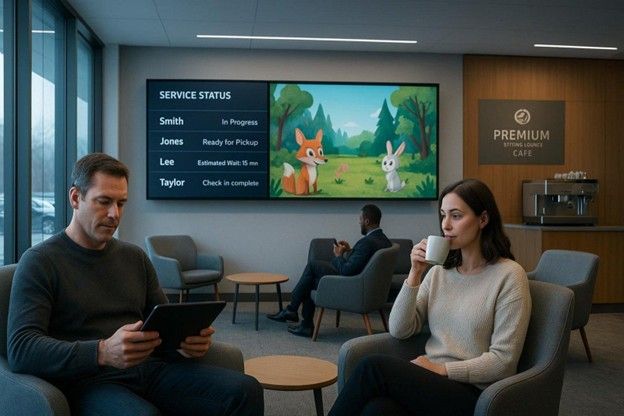
In the lounge, the focus is comfort and keeping people from leaving early. Screens here should act like a “Customer Lounge TV” that removes competitor ads and adds helpful updates. It’s a great place to show service menus, maintenance tips, and even a live look into the shop (where allowed) to build trust in the service work being done.
Essential Features of Dealership Digital Signage Solutions
Remote Content Management and Scheduling
A good signage platform must be simple to run. Cloud-based software lets managers plan content weeks ahead or make quick changes in seconds. This matters for groups with several locations that need to keep brand consistency while still running local offers. You can set content to change by day of the week so “Service Saturday” deals only show when service is open.
Content Customization and Branding
Each dealership has its own personality. Signage software should offer flexible templates so you can easily add your logo, colors, and key messages. Whether you’re showing community projects or 5-star Yelp reviews, the content should feel unique to your store, not like a generic feed.
How to Integrate Digital Signage into Dealership Design
Screen Placement for Maximum Visibility
Placement matters a lot. Screens should sit in “dwell zones” where people naturally pause, such as reception, the finance waiting area, and the service counter. For best viewing, the center of the screen should be around 58-62 inches from the floor. If a screen must be higher, tilt it down 5-15 degrees to keep it easy to see and reduce glare from overhead lights.
Design Matching With Brand Aesthetics
Digital signage should feel like part of the building, not an afterthought. Whether it’s a slim wall-mounted LCD or a huge video wall, the setup should match the dealership’s style. Using pro-grade cabling and hiding media players supports a clean, clutter-free look that fits the premium feel customers expect.
Best Digital Signage Content Ideas for Car Dealerships
Welcome Messages and Personalized Greetings
First impressions matter. A digital appointment board that says “Welcome, Mr. Smith” gives an instant VIP feeling. This small step shows the customer you expected them and plan to give a personal experience.
Current Vehicle Promotions, Incentives, and Financing Offers
Bold graphics for 0% APR deals or lease specials are key. These calls to action should appear at the moment customers are close to deciding, giving the extra push from “just browsing” to “ready to buy.”
Highlighting New Arrivals and Car Features
When a new model arrives, use screens to show off its most game-changing features. Use video to explain tech such as “Automatic Park Assist” or “Hands-Free Liftgates,” which are far easier to understand by watching than by reading.
Customer Testimonials and Success Stories
Social proof is very persuasive. Rotating 5-star reviews and photos of happy customers with their new cars builds trust. It helps new visitors feel confident about choosing your store.
Maintenance Tips and Seasonal Service Reminders
Help customers protect their cars. Screens can show tips on winter tire pressure, summer coolant care, or the value of air filter changes. This presents the dealership as a helpful partner in ownership, not just a seller.
Key Takeaways: Transforming the Customer Experience with Digital Signage
Looking ahead, tools like Artificial Intelligence (AI) and the Internet of Things (IoT) will make digital signage even more powerful. Imagine a showroom where a welcome screen changes its message as a customer walks in, based on the model they were researching on their phone. Or a small beacon that triggers a feature video on a nearby screen when someone approaches a specific car.
The post Digital Signage Ideas for Modern Car Dealerships appeared first on Gauge Magazine.