
How Fatigue Turns Trucks Into Unpredictable Hazards

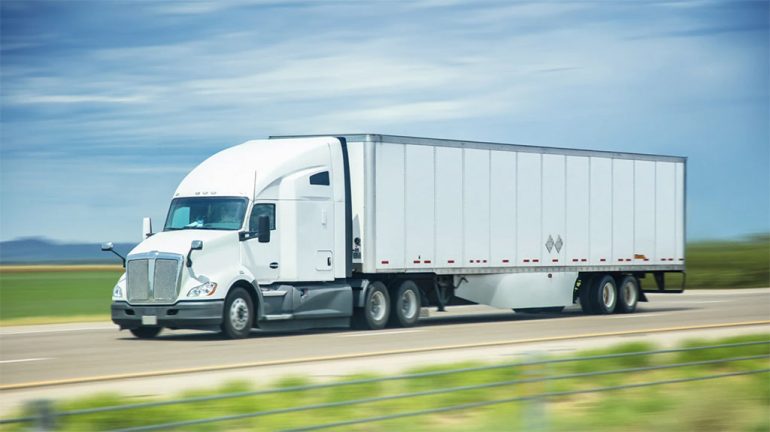
The sheer size of a commercial vehicle demands a driver who is fully present and sharp. When a person stays behind the wheel for too many hours, their ability to maintain a steady lane begins to slip away. It is dangerous.
Mental clarity is usually the first casualty of a long shift across multiple state lines. Small lapses in focus might seem harmless in a passenger car, but they are amplified when controlling eighty thousand pounds of steel. The margin for error vanishes quickly.
Every mile traveled in this state increases the likelihood of a catastrophic failure. High stakes demand a level of alertness that cannot be sustained without proper rest and regular breaks. Companies often ignore the risks of truck driver fatigue until a tragedy occurs.
Reaction Time Degradation
A tired brain processes information at a much slower rate than one that has had sufficient sleep. When a hazard appears ahead, a fatigued driver takes longer to recognize the threat and even longer to move their foot to the brake.
These micro delays are particularly dangerous when traveling at highway speeds where every second counts. A truck can travel the length of several football fields before a drowsy operator even begins to slow down. The physical response simply cannot keep up with reality.
Coordination also suffers as the muscles become sluggish and less responsive to the brain’s commands. Steering becomes jerky and imprecise, leading to overcorrections that can easily flip a heavy trailer. The body fails to perform the basic tasks needed for safety.
Decision-Making Errors
Judgment is often the next faculty to erode when a driver is pushing through exhaustion. They might decide to take a risk they would normally avoid, such as passing a slower vehicle on a narrow stretch of road or ignoring a warning light.
Cognitive fog makes it difficult to assess the speed and distance of other motorists accurately. A driver might believe they have plenty of room to merge when they are actually cutting off a smaller car. These errors in perception lead to violent impacts.
The ability to multitask also disappears, leaving the driver focused on only one thing at a time. They might miss a changing traffic signal or a pedestrian because they are too focused on maintaining their speed. Basic situational awareness is completely lost.
Long-Haul Pressures
The logistics industry operates on incredibly tight margins where time is literally money for everyone involved. Drivers often feel an intense pressure to meet unrealistic delivery deadlines set by dispatchers who are sitting hundreds of miles away in a climate controlled office.
Financial incentives frequently reward those who can push the limits of their physical endurance. While regulations exist to limit working hours, the culture of the industry often encourages finding ways around these rules. Survival in the business often feels tied to speed.
Long periods of isolation and the monotony of the open road also contribute to the mental strain. The lack of social interaction makes it harder to stay engaged and awake during the overnight shifts. Systemic issues force good people into dangerous habits.
Why Fatigue Is Hard to Prove
Unlike alcohol or drugs, there is no simple roadside test that can measure a person’s level of exhaustion. After a crash, a driver might experience an adrenaline spike that masks their tiredness, making them appear alert to the first responders on scene.
Proving that a lack of sleep caused a mistake requires a deep dive into logs and digital records. Companies sometimes maintain two sets of books or use loopholes to hide the actual hours worked by their fleet. This makes finding the truth difficult.
Witness testimony is often unreliable because fatigue symptoms can look like simple distraction or mechanical failure. Without a confession or clear electronic evidence, a legal team must work backward to piece together the driver’s schedule. Building a solid case takes time.
Conclusion
Exhaustion is a silent threat that transforms a professional driver into a liability for everyone on the highway. The physical and mental toll of the job is often underestimated by the public and the companies that profit from the fast movement of goods.
True safety requires a shift in how we value rest and the health of those behind the wheel. When we prioritize deadlines over human limits, we invite disaster to take a seat in the cab. The consequences are far too high for everyone.
Staying vigilant and respecting the need for sleep is the only way to reduce these tragic incidents. Every driver has a responsibility to pull over when their eyes grow heavy. Safety is a choice that must be made before the engine starts.