
Ferrari, Lamborghini, and More: How Dubai Became the Supercar Capital of the World
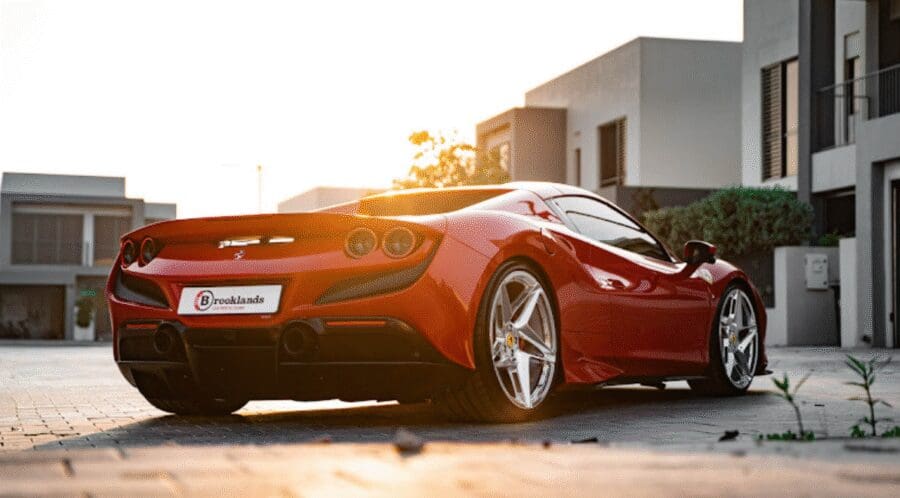
In London or New York, spotting a Lamborghini or Ferrari requires patience and luck. In Dubai, the same vehicles appear in steady succession at the Dubai Mall entrance or JBR Walk—available even through premium rental services like Brook Drive Rent.
Here, exotic cars cease to be exotic. Processions of McLarens and back-to-back Porsches define daily traffic. For car enthusiasts worldwide, Dubai’s reputation as the supercar capital is enviable.
In just decades, Dubai transformed from open desert to a city dense with automotive luxury—the result of deliberate economic strategy, a culture comfortable with visible success, and infrastructure designed for high-performance driving.
The Foundation: A Perfect Storm of Wealth and Ambition
Supercars represent calculated inefficiency: loud, impractical, fuel-hungry, and expensive. They’re not economical purchases. Dubai has built a society where such wealth is not only attainable but expected.
From Oil Boom to Global Business Hub
Oil revenue initially fueled Dubai’s development, but leadership made a strategic pivot. The emirate diversified into a global hub for business, entertainment, and real estate—constructing free trade zones and world-class infrastructure to attract international commerce.
As a nexus for technology, logistics, and trade, Dubai draws professionals with means to purchase luxury vehicles. Many supercars on Sheikh Zayed Road belong to the expatriate business community this ecosystem supports.
The “Zero-Tax” Advantage
Western tax structures suppress supercar ownership. A $300,000 Ferrari in the U.S. triggers luxury taxes, VAT, and gas-guzzler penalties. High earners surrender approximately 50% of income to taxation. Dubai offers a contrasting reality: zero income tax.
The financial differential:
- Europe: $200,000 annual income yields ~$120,000 post-tax—insufficient for supercar ownership
- Dubai: $200,000 annual income remains untouched—making Huracán payments suddenly manageable
This disposable income surplus drives purchasing behavior. Young professionals and established investors alike adopt luxury vehicles as the cultural standard.
The Cultural Drivers: A Supercar as Social Currency
Economics enables purchase; culture drives demand. Where some regions communicate wealth discreetly, Dubai celebrates it openly. The world’s tallest towers, largest malls, and most ambitious artificial coastlines set the precedent—vehicles extend this philosophy.
Visible Achievement as Cultural Norm
Success in Dubai is demonstrated, not implied. Arriving at business meetings in a Rolls-Royce or Bentley establishes credibility before the first handshake—signaling financial stability, success, and refined taste.
Competition escalates rapidly. A Mercedes G-Wagon owner targets a Lamborghini Urus. The Urus owner eyes a Ferrari F8 Tributo. The F8 driver considers a McLaren 720S. This cycle keeps dealerships stocked with the latest models and accelerates market turnover.
A Government-Endorsed Passion: The Dubai Police Supercar Fleet
Dubai Police integrated supercars into public relations strategy, branding the city through law enforcement vehicles. The fleet includes:
- Bugatti Veyron: among the world’s fastest production cars
- Aston Martin One-77: ultra-limited production hypercar
- Lamborghini Aventador: flagship V12 supercar
- Ferrari FF: four-seat grand tourer with all-wheel drive
- Bentley Continental GT: luxury performance coupe
These vehicles transform typical law enforcement perception—positioning Dubai Police as tourist-friendly, approachable, and distinctly Dubai.

The Ecosystem: Infrastructure Built for Performance
Narrow roads, potholes, and congestion destroy supercar ownership appeal regardless of budget. Dubai engineered the opposite.
Roads Designed for High Performance
Unlike pedestrian-focused European cities, Dubai’s arterial roads (Sheikh Zayed Road, Al Khail Road) feature wide lanes, smooth asphalt, and consistent maintenance against extreme heat. Hotels and malls incorporate supercar-friendly parking—eliminating the tight-space anxiety that plagues European supercar owners.
A Comprehensive Automotive Marketplace
Consumer demand generated world-class support infrastructure:
Dealerships:
Sheikh Zayed Road showrooms are architectural statements selling lifestyle, not just vehicles. Buyers can commission bespoke orders with two-year delivery timelines or purchase meticulously maintained pre-owned examples immediately.
Tuners and Customization:
In a city saturated with supercars, stock specification no longer differentiates. Owners turn to modification shops for distinction:
- Vinyl Wraps: Matte black, chrome gold, color-shifting iridescent finishes
- Performance Tuning: 1000+ horsepower Nissan GT-Rs appear regularly; widebody kits and aero packages are standard
Rental Market:
The ecosystem extends beyond ownership. Tourists access Ferrari 488s and Lamborghini Huracáns for hundreds of dollars daily, further populating streets with exotic machinery.
The “Undisputed” Title: Proof in Plain Sight
Dubai’s supercar density exceeds any comparable city. The concentration is not occasional—it’s relentless and daily.
A Visual Spectacle: The Daily Supercar Parade
The Dubai Mall valet stand surpasses most automotive exhibitions in supercar density. Rolls-Royce Cullinans queue alongside Ferrari 296 GTBs and McLaren Arturas. At Jumeirah Beach Residence, traffic slows as onlookers photograph the procession—a daily occurrence unique to Dubai.
Global Stage: Automotive Events and Rallies
Dubai hosts the Dubai International Motor Show, where manufacturers unveil Middle East-specific editions and compete for regional buyers. The Gumball 3000 rally frequently routes through Dubai. Local supercar clubs organize desert runs and mountain drives to Jebel Jais—creating social experiences around vehicle ownership rather than mere possession.
The Future: Is Dubai’s Reign Secure?
As the automotive industry electrifies, Dubai adapts. Rimac Neveras and Lotus Evijas already appear on city roads. While Teslas satisfy early EV adopters, next-generation electric hypercars attract the social elite.
The moment manufacturers announce 2000-horsepower EVs, UAE orders flood in. Though V12 roar will yield to electric whine, demand for speed, exclusivity, and design remains constant.
Conclusion: The Recipe for a Modern Automotive Legend
Dubai’s supercar dominance stems from calculated strategy, not accident:
- Tax-free income creating unprecedented disposable wealth
- A culture celebrating visible achievement and bold expression
- Purpose-built infrastructure supporting high-performance vehicles
- Comprehensive dealership, tuning, and rental ecosystems
The result: a city where Lamborghinis populate school drop-off queues, where supercar density rivals automotive museums, and where enthusiasts and spectators alike experience an automotive culture unmatched globally.
FAQ
Why are there so many supercars in Dubai?
Tax-free salaries create significant disposable income. Cultural norms favor visible displays of success. World-class road infrastructure supports high-performance driving. Active secondary markets, accessible financing, and comprehensive service networks make ownership practical.
What cars do the Dubai Police use?
Dubai Police operate Bugatti Veyron, Aston Martin One-77, Lamborghini Aventador, Ferrari FF, Bentley Continental GT, Mercedes-Benz SLS AMG, and Tesla Cybertruck for public relations and tourist engagement—not active law enforcement.
Can a tourist drive a supercar in Dubai?
Tourists with valid foreign licenses meeting age requirements (21-25 depending on vehicle) can rent Ferraris, Lamborghinis, and Rolls-Royces from numerous agencies.
The post Ferrari, Lamborghini, and More: How Dubai Became the Supercar Capital of the World appeared first on My Car Heaven.