
Why Trump Invoking the Insurrection Act Over ICE Protests Would Be So Alarming
This article is part of The D.C. Brief, TIME’s politics newsletter. Sign up here to get stories like this sent to your inbox.
President Donald Trump saw what U.S. forces could do in Venezuela, where he captured that nation’s leader and hauled him to New York on drug and weapons charges. Now Trump is mulling the use of the same military power to quiet the unrest in Minneapolis. It is a potentially stunning escalation by the President over a spiraling scene in which much of the public views his Administration as the instigators.
[time-brightcove not-tgx=”true”]An emboldened Trump seems hellbent on inflaming the situation in Minnesota, where protestors are standing against immigration raids that have spun far out of control. A 37-year-old woman is dead after being shot in the face last week while driving away from officers and a second man was shot overnight. Trump on Thursday threatened to trigger a rarely used 1797 law that allows for a President to deploy troops on U.S. soil to quell an insurrection or armed rebellion—tasks members of the military are typically barred from being involved in.
If Minnesota officials did not stop the protests, Trump said he would “institute the INSURRECTION ACT, which many Presidents have done before me, and quickly put an end to the travesty that is taking place in that once great State.”
It is no exaggeration to say that this is a moment that has few historical antecedents, at least not in recent memory. During her briefing Thursday at the White House, press secretary Karoline Leavitt acknowledged Trump’s predecessors have used Insurrection Act powers “sparingly” but added that it nevertheless remains a tool.
For the history nerds reading: we are currently in the longest stretch in U.S. history that the country has gone without the Insurrection Act being invoked.
The last time a U.S. President invoked the powers to put down an insurrection was 1992, when George H.W. Bush heeded the call from California’s Governor to help calm the streets of Los Angeles after a jury acquitted four police officers who were filmed beating Rodney King. Before that, Presidents Eisenhower, Kennedy, and Johnson each deployed troops to enforce Civil Rights protections. The last time the act was invoked without a state’s ask was 1965, when LBJ stepped in to protect the Selma-to-Montgomery Civil Rights march in Alabama.
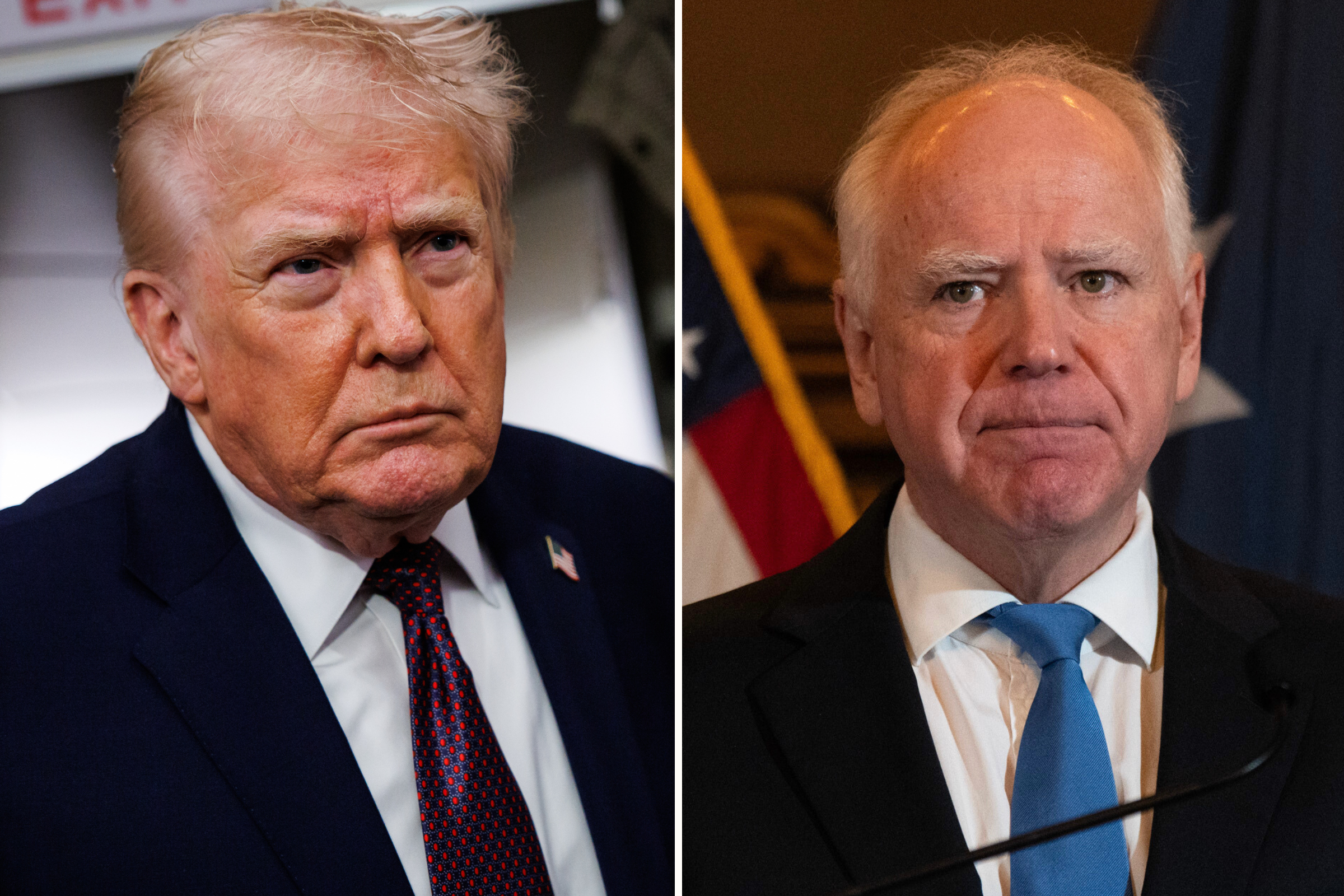
It’s a safe bet that if Trump were to trigger his emergency powers, it would not be at the invitation of Minnesota, where residents are furious about the situation and Gov. Tim Walz likened the moment to an “occupation” in a rare six-minute address Wednesday night.
“What’s happening in Minnesota right now defies belief,” Walz said. “News reports simply don’t do justice to the level of chaos and disruption and trauma the federal government is raining down upon our communities.”
Despite calls from Walz to make a showing “of decency, of justice, of community, and of peace,” the situation is spiraling. Protests are spreading across the country, other blue states are bracing for retribution, and immigrant communities are increasingly living in fear. In Minnesota, many schools are either canceling classes or going remote.
Meanwhile, Homeland Security officials are showing their teeth, with Secretary Kristi Noem implying to the media that the crackdowns could escalate by the slogan emblazoned on her podium: “One of Ours, All of Yours.”
Setting aside the ramifications for public rights, First Amendment protections, and public safety, nothing about this carries an obvious political upside for Trump. In fact, quite the opposite; CNN polling found just 26% of American adults view the shooting of Renee Good as appropriate, similar to the sentiment found in surveys by Yahoo-YouGov (27%) and Quinnipiac (35%). The CNN and Yahoo polls both suggest Trump’s mass deportation regime has become wildly unpopular. CNN’s poll found Americans think the ICE raids are making things “less safe” by a margin of 51% to 31%; Yahoo reported that the actions are “doing more harm than good” by a 54% to 34% spread. Objectively, this is not where any political actor wants to be.
None of this seems to be registering at the White House, where an emboldened Trump is basking in the success of a mission that captured Venezuela’s autocratic leader and ferried him to New York, plus the tremors over his threats to seize Greenland, and looming conflict with Iran.
During his first term, Trump was pulled back by advisers from invoking the Insurrection Act. It’s not clear if anyone around him is providing such advice now, leaving bellicose posturing from a President who may be about to test the limits of Midwest Nice, along with the country’s tolerance for the violent suppression of largely peaceful dissent.
Make sense of what matters in Washington. Sign up for the D.C. Brief newsletter.