
Opinon: The Hole-in-One Solution for NYC’s Housing Crisis
“It is time to exploit the ‘City of Yes’ zoning changes and reclaim the 2,500 acres currently dedicated to a sport that is effectively dead as an urban pastime.”
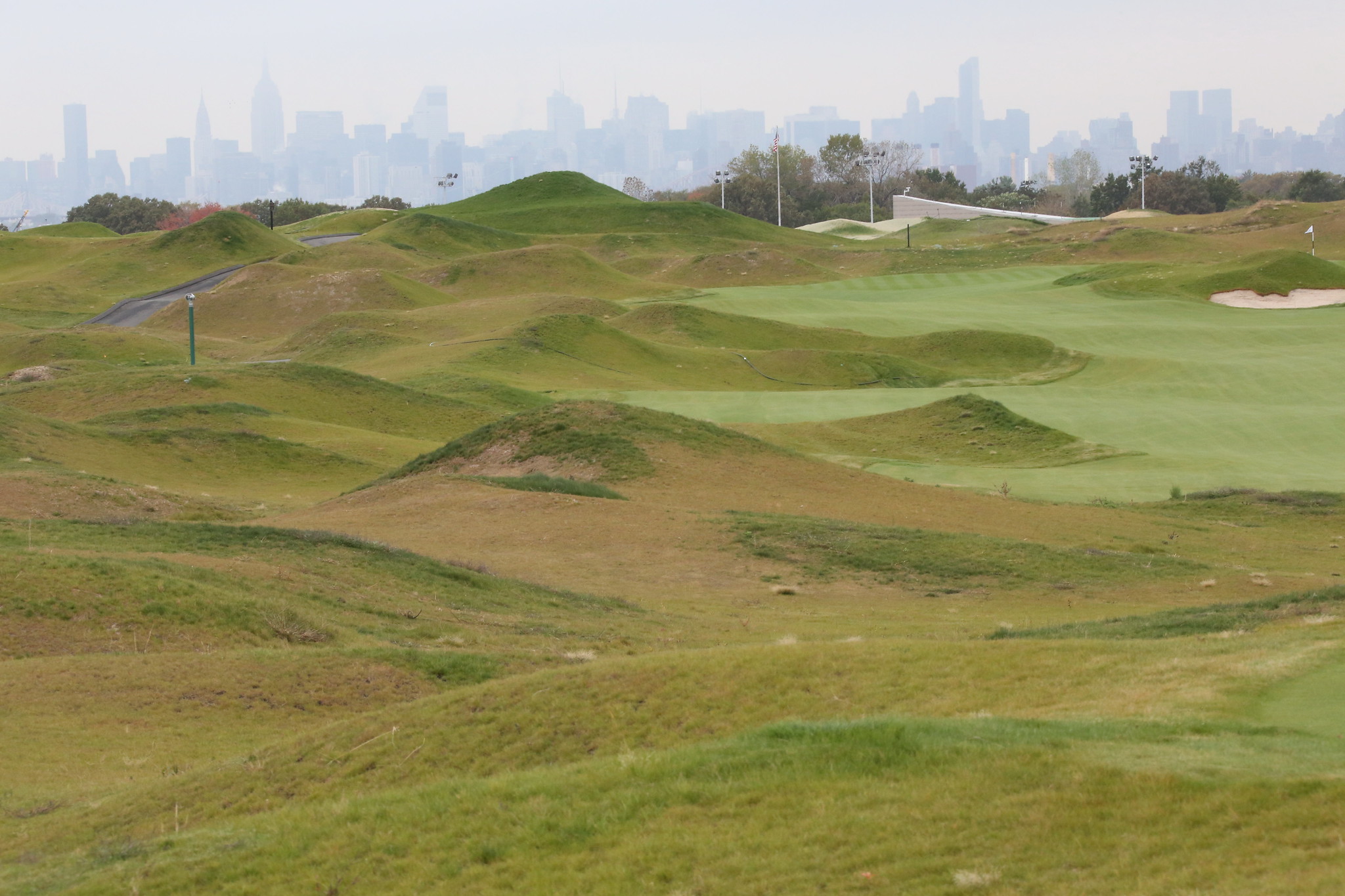

The New York Real Estate Board recently confirmed what every New Yorker feels: we are in a housing free-fall. With a staggering shortfall of up to 540,000 units and a vacancy rate of just 1.4 percent, the pace of new construction is glacially slow. But the solution might be hiding in plain sight, tucked away behind the chain-link fences of our city’s woefully underutilized golf courses.
It is time to exploit the “City of Yes” zoning changes and reclaim the 2,500 acres currently dedicated to a sport that is effectively dead as an urban pastime.
City Comptroller Brad Lander floated this idea at the start of his mayoral run—an idea I first proposed seven years ago in the Queens Tribune. If Mayor Zohran Mamdani is serious about his pledge to build 200,000 units of housing over the next decade, he must look at these dying municipal greenways.
The spatial inequality of New York City golf is striking. Nearly half of the city’s courses are in Queens, covering 960 acres. This includes Forest Park (508 acres), Kissena Park (237 acres), Clearview (111 acres), and Douglaston (104 acres). Staten Island and Brooklyn account for another 931 acres, while the Bronx holds 375.
Despite occupying prime real estate, these courses are largely empty. The sport’s decline is so pronounced that the Parks Department counsel’s office admits the agency no longer even tracks annual golf membership sales.
This isn’t just a local trend; it’s a national expiration. While the pandemic provided a minor “dead cat bounce” for the industry, the long-term data is grim. My 2018 investigation found that green fees had plummeted by an average of 17 percent across the city. At Staten Island’s La Tourette, revenues dropped by 33 percent. Only Silver Lake and Marine Park showed growth—they should be kept, but the rest are ripe for reimagining.
Converting golf courses isn’t radical; it’s practical. As far back as 1979, Augusta, Georgia, converted a public course into open space. Since then, municipalities from Portland, Oregon, to Windsor, Connecticut, have worked with the Trust for Public Land to turn fairways into parks.
Deputy Mayor for Housing and Planning Leila Borzog is compiling a report on sites available for building housing. It’s due at the end of January. She should include this land. We need a mix of high-density housing and reimagined public space that serves the 21st-century New Yorker.
Critics will argue that parkland is sacrosanct. They are right—which is why these 2,500 acres should be opened to the entire public, not just those who can afford a set of clubs.
Transforming these spaces would also slash the city’s carbon footprint; golf courses are notorious for high water usage and pesticide runoff. By “de-accessioning” these lands through the state legislature, the mayor can create playing fields for cricket and soccer—sports that reflect the passions of the city’s immigrant-heavy neighborhoods rather than the fading hobbies of the elite.
The stakes: according to the Coalition for the Homeless, more than 350,000 New Yorkers—including families and single adults—are currently without a home, living on the streets, in shelters, or “doubled up” in precarious conditions.
There is no reason why the Kissena and Douglaston courses couldn’t be linked to create a “Central Park of Queens,” anchored by thousands of affordable housing units.
The rapid fade of golf is a gift to the city’s urban planners. It is an opportunity to solve a humanitarian crisis with the stroke of a pen. Mayor Mamdani and the City Council must seize the clubs and take the swing.
Eddie Borges writes about race and poverty in New York City.
The post Opinon: The Hole-in-One Solution for NYC’s Housing Crisis appeared first on City Limits.